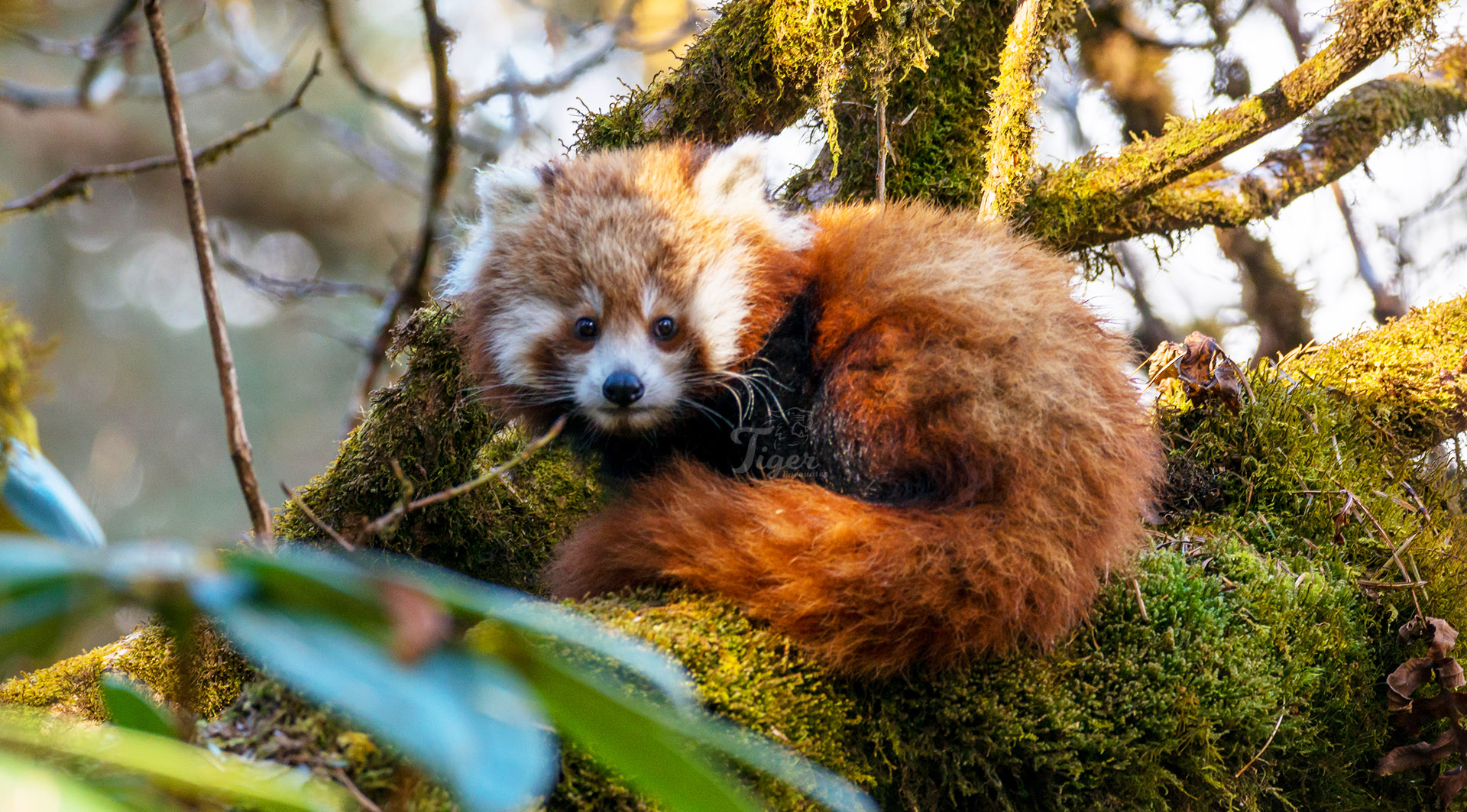
The best time for a red panda tracking and photography trek in Nepal is generally spring (March–May) and autumn (September–November). These seasons offer favorable opportunities to explore Himalayan forests, search for red pandas, and capture wildlife photographs in their natural habitat. Weather, forest conditions, food availability, and the experience of local trackers all play a role in planning a successful trip.
For travelers interested in red panda tracking and photography, selecting the right season can make the overall experience more enjoyable. Spring is known for fresh vegetation and colorful forests, while autumn often brings clearer skies and excellent mountain scenery.
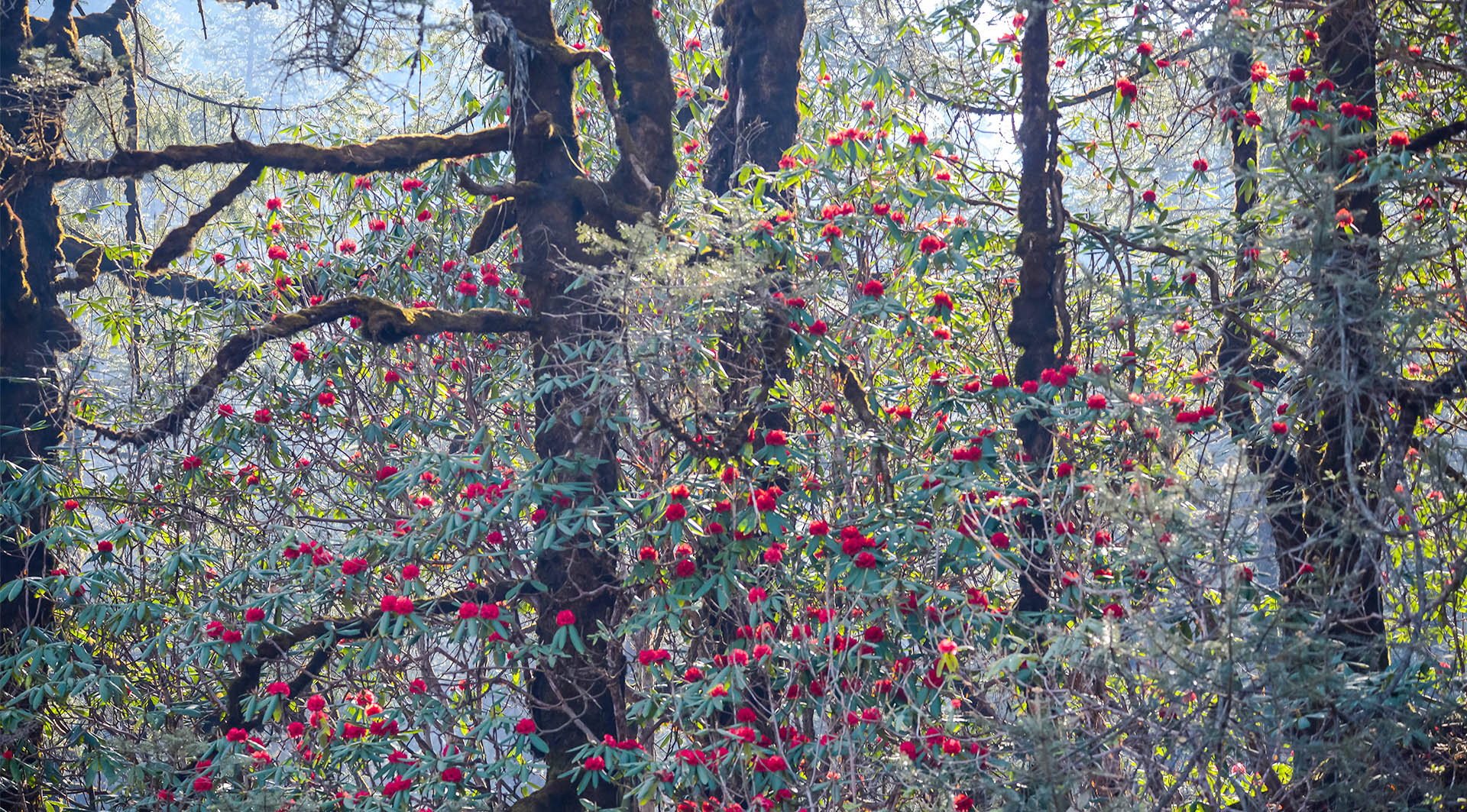
Spring (March–May): A Prime Season for Red Panda Tracking
Spring is one of the most popular periods for red panda tracking in Nepal. As winter fades, temperatures gradually rise, fresh bamboo growth appears in suitable habitats, and the Himalayan forests become vibrant with new vegetation. Rhododendrons, magnolias, and other seasonal flowers add color to the landscape, making forest walks especially appealing.
Red pandas depend heavily on bamboo for food, and changes in seasonal food availability can influence their feeding patterns and movements. During this period, experienced trackers search carefully through suitable forest habitats, paying attention to bamboo patches, feeding signs, resting trees, and other clues that may indicate red panda activity.
Conditions at many tracking destinations can also be comfortable for walking, although temperatures and trail conditions vary with elevation and weather. For first-time visitors, spring provides an attractive combination of wildlife exploration, beautiful forest scenery, and opportunities for photography.
Highlights of spring trekking:
- Fresh vegetation and beautiful Himalayan forest landscapes.
- Seasonal rhododendron blooms in suitable areas.
- Opportunities to observe red pandas in their natural habitat.
- Generally favorable conditions for forest walks and wildlife photography.
Consider March through May when planning a red panda tour. May is especially worth discussing with local tracking experts when you arrange your departure.
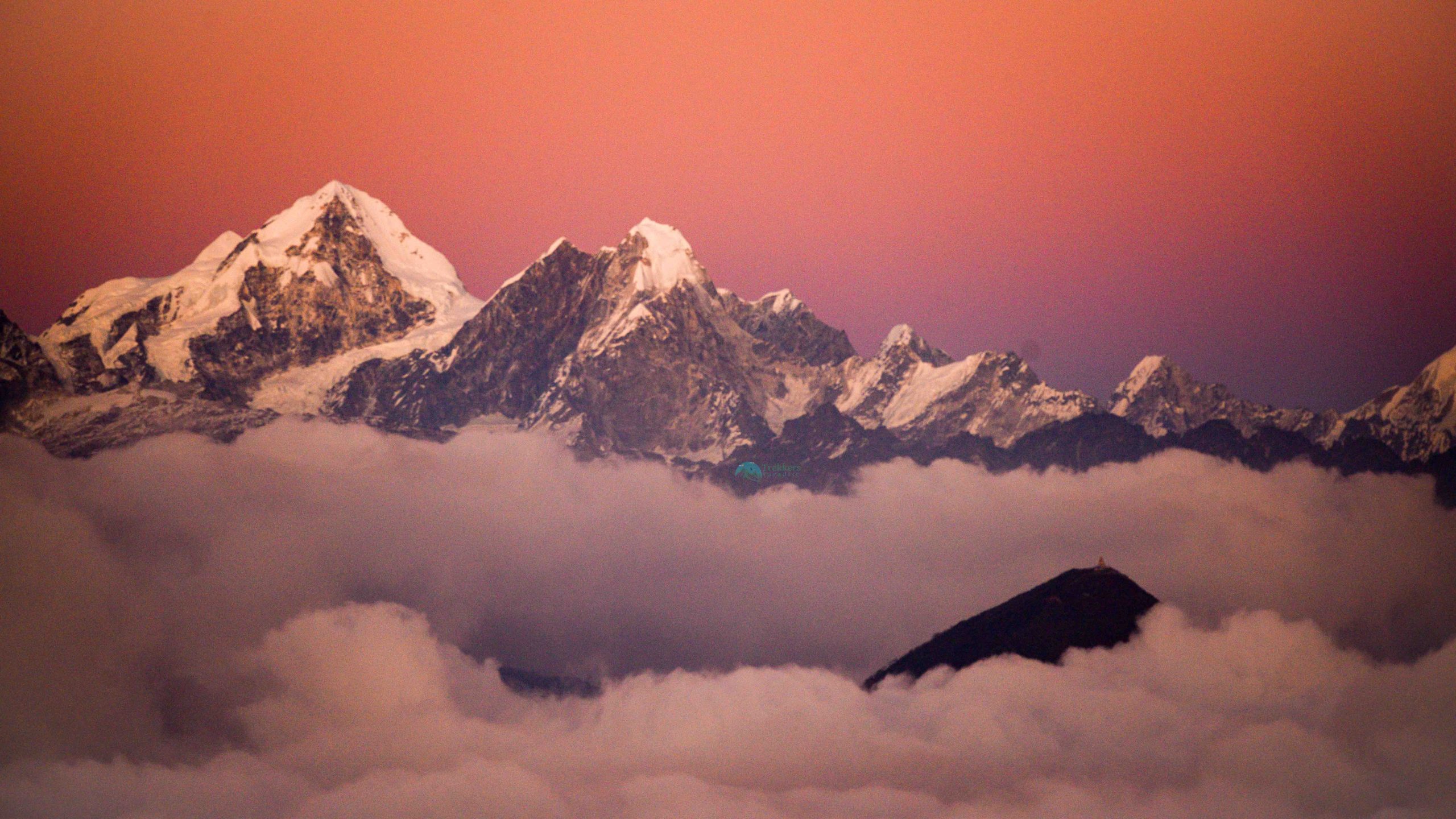
Autumn (September–November): A Wonderful Season for Red Panda Photography
Autumn is another highly recommended season for red panda tracking in Nepal. Following the monsoon, the weather often becomes drier, skies can clear, and mountain views improve. These conditions create excellent possibilities for combining wildlife photography with Himalayan landscapes.
The forest environment remains attractive, and the softer morning and afternoon light can provide beautiful photographic opportunities. On clear days, Himalayan viewpoints offer views of major peaks, depending on the location and visibility.
For photographers, autumn can be especially rewarding because it combines forest exploration with opportunities to capture mountain scenery and wildlife. October and November are popular months for Himalayan travel, although sightings depend on local wildlife activity rather than weather alone.
Knowledgeable trackers use their understanding of local habitats, animal signs, and red panda behavior to guide the search. Because red pandas are naturally elusive, patience and flexibility remain essential throughout the trip.
Highlights of autumn tracking:
- Often clear skies and impressive Himalayan views.
- Favorable conditions for trekking in many locations.
- Attractive forest scenery and natural photographic light.
- Opportunities to combine wildlife tracking with landscape photography.
Autumn is an excellent option for travelers who want to experience Nepal’s forests and mountains while searching for the elusive red panda. November is also worth considering when planning with local experts familiar with current tracking conditions.
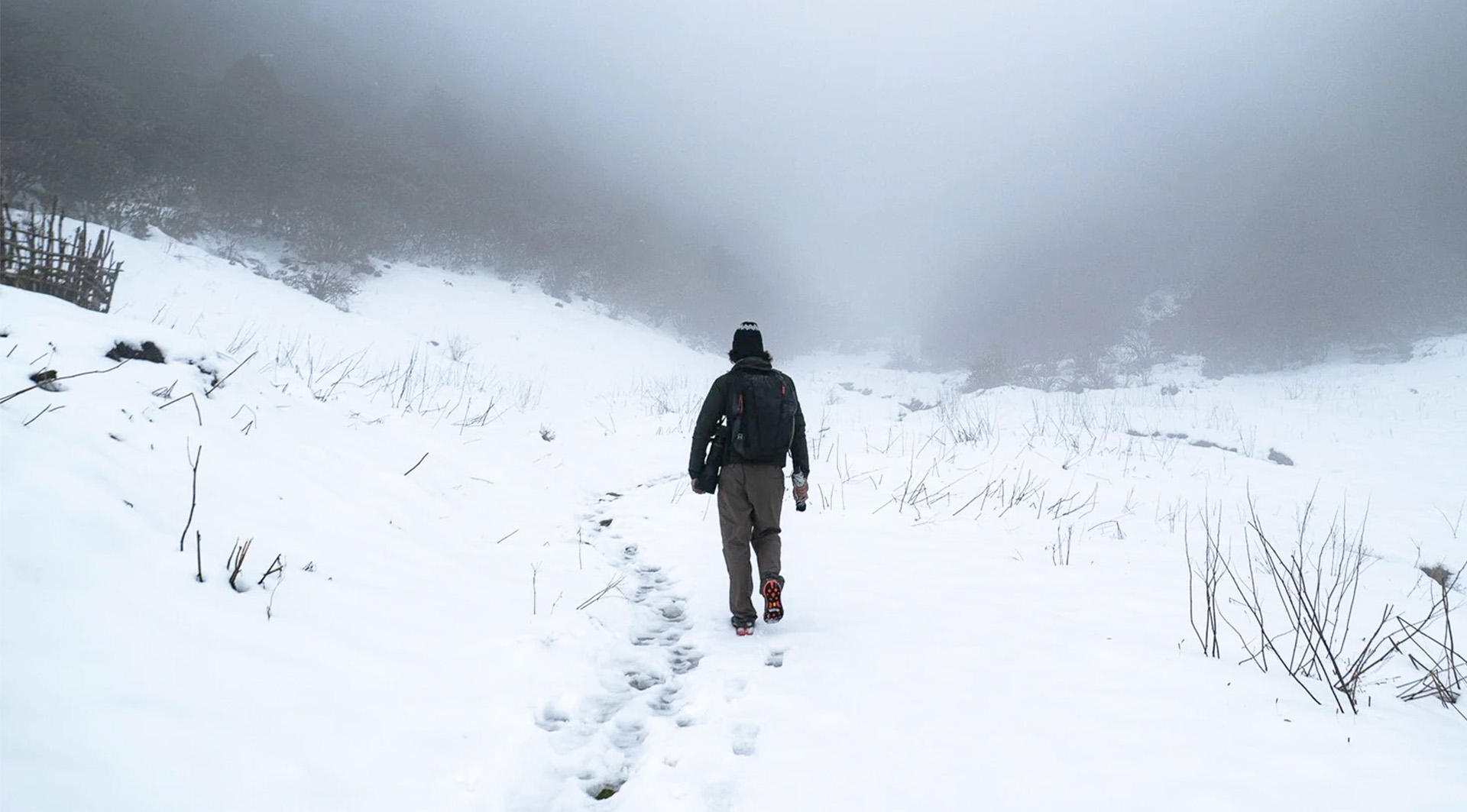
Winter (December–February): Not Recommended for Red Panda Tracking
Red panda tracking may be possible during winter in December in selected areas, but the experience can be more demanding. Snowfall, freezing temperatures, icy trails, and limited accommodation options can affect access to remote forest habitats.
Red pandas may alter their activity or movements in response to changing temperatures, food availability, and local conditions. However, winter does not automatically mean better sightings, and visitors should not assume that the animals always move to lower elevations.
Red pandas reduce their physical activity to conserve energy in the cold, hiding away and spending less time foraging in the open. Tracking is also limited during the peak mating window in January and February
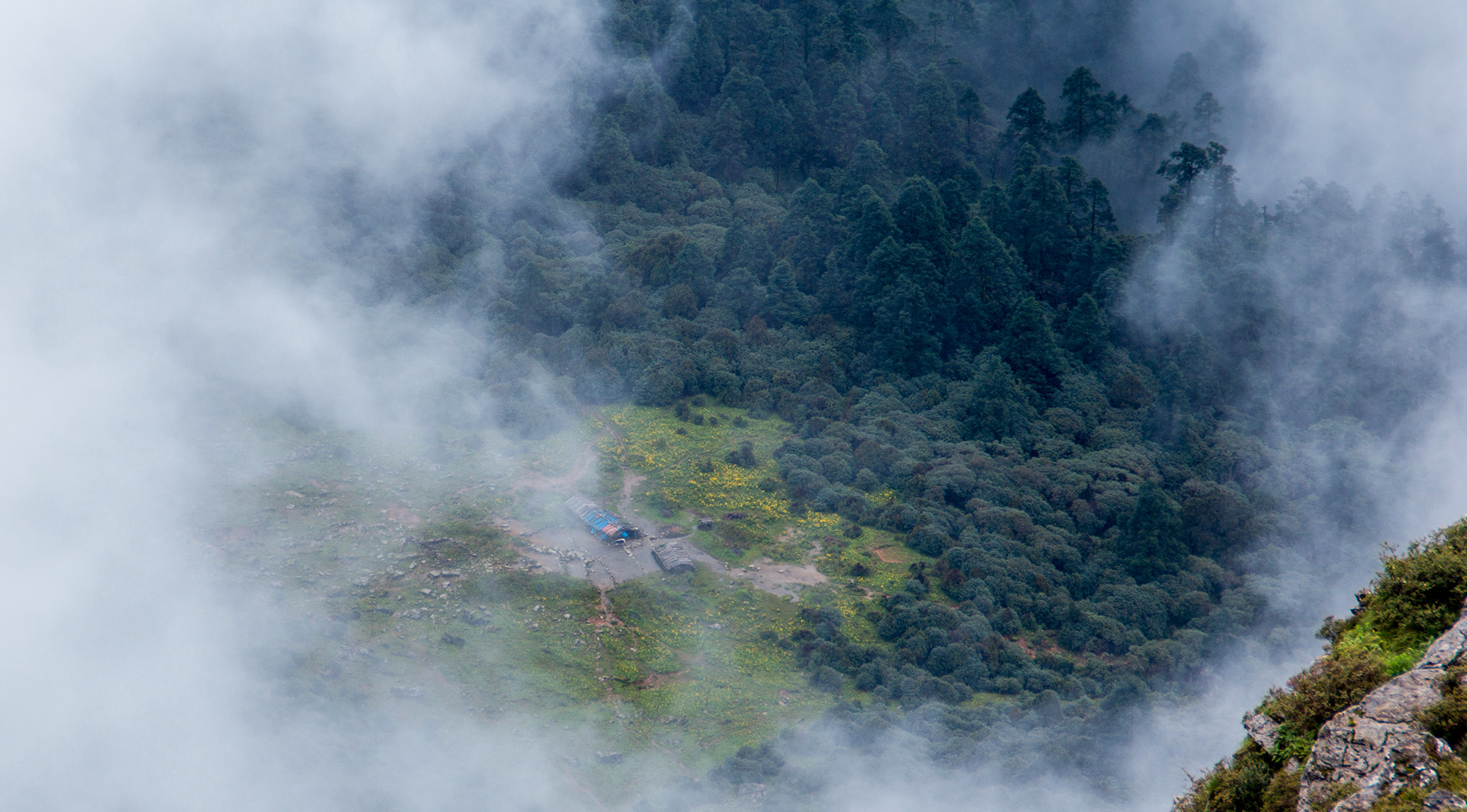
Monsoon (June–August: Not Recommended for Red Panda Tracking
Nepal’s monsoon brings heavy rainfall to many Himalayan forest regions. During this period, muddy trails, leeches, landslides, swollen streams, and damage to footbridges can make access to tracking areas difficult. Persistent clouds and rain can also reduce visibility and create challenging conditions for wildlife photography.
Red pandas stay hidden in dense vegetation or tree hollows to avoid the rain, making sightings very rare. Tracking the red panda is also restricted or officially discouraged during the birthing season in these months.