Big Cats Tour in Nepal and Africa: A Wildlife Safari Across Continents

  • 25 Days
  • 24 Nights

Calling all wildlife enthusiasts! If you’ve ever dreamed of seeing world’s most elusive and powerful predators in the wild – this is the journey for you.

Big Cats Tour In Nepal And Africa Highlights

Trip Highlight

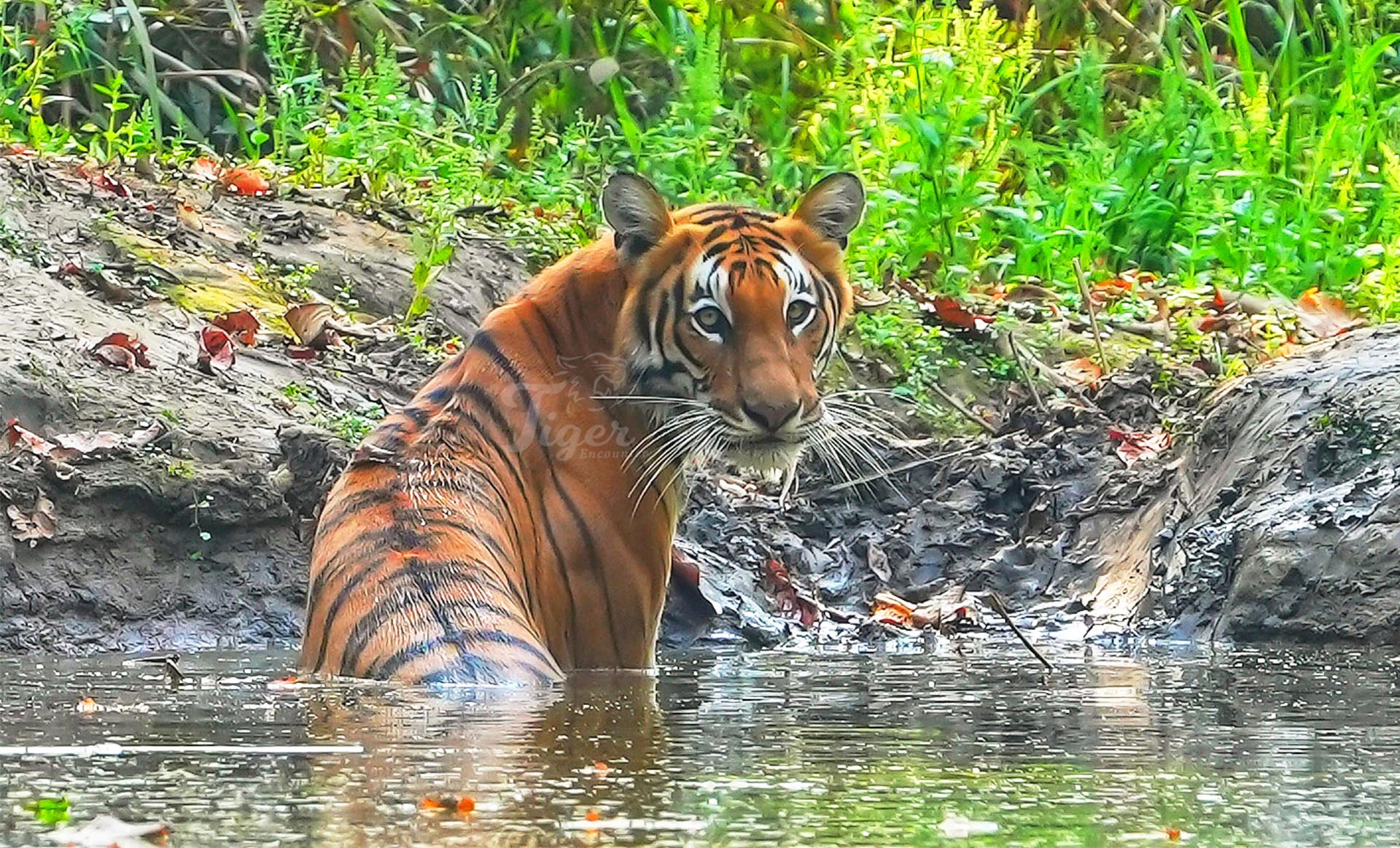
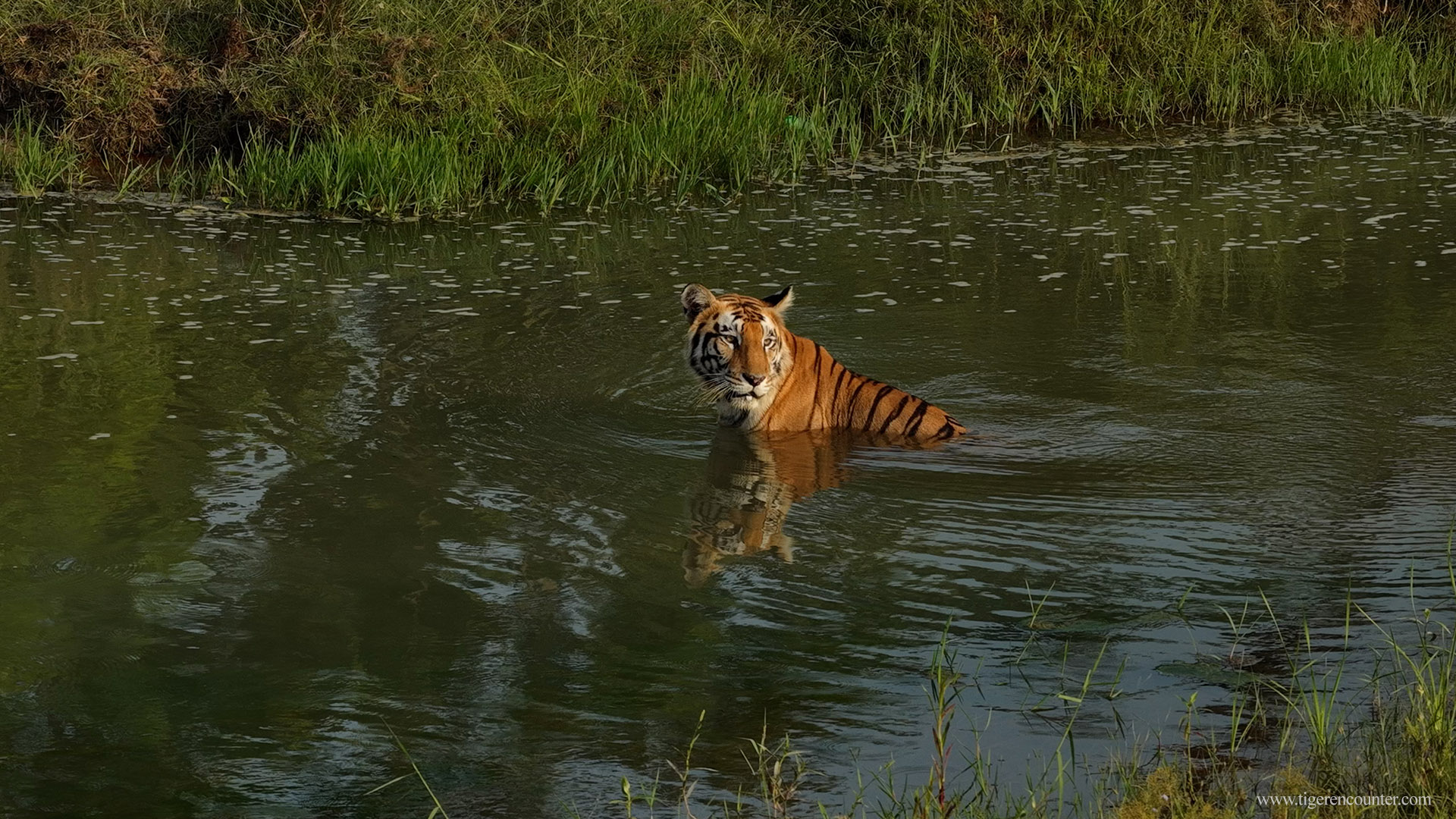
  • Experience the thrill of tracking and spotting a Royal Bengal tiger deep in the jungles of Bardia.
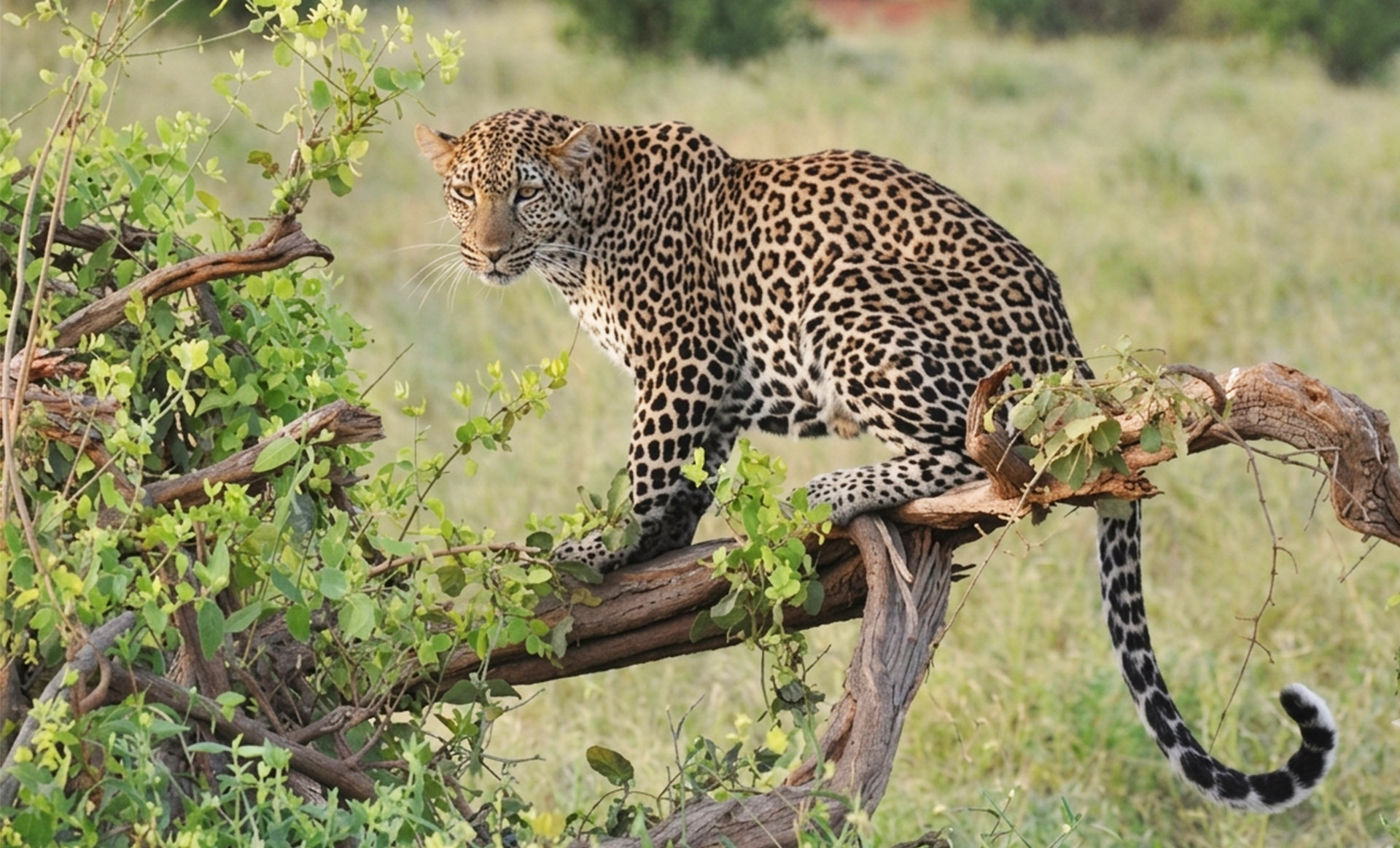
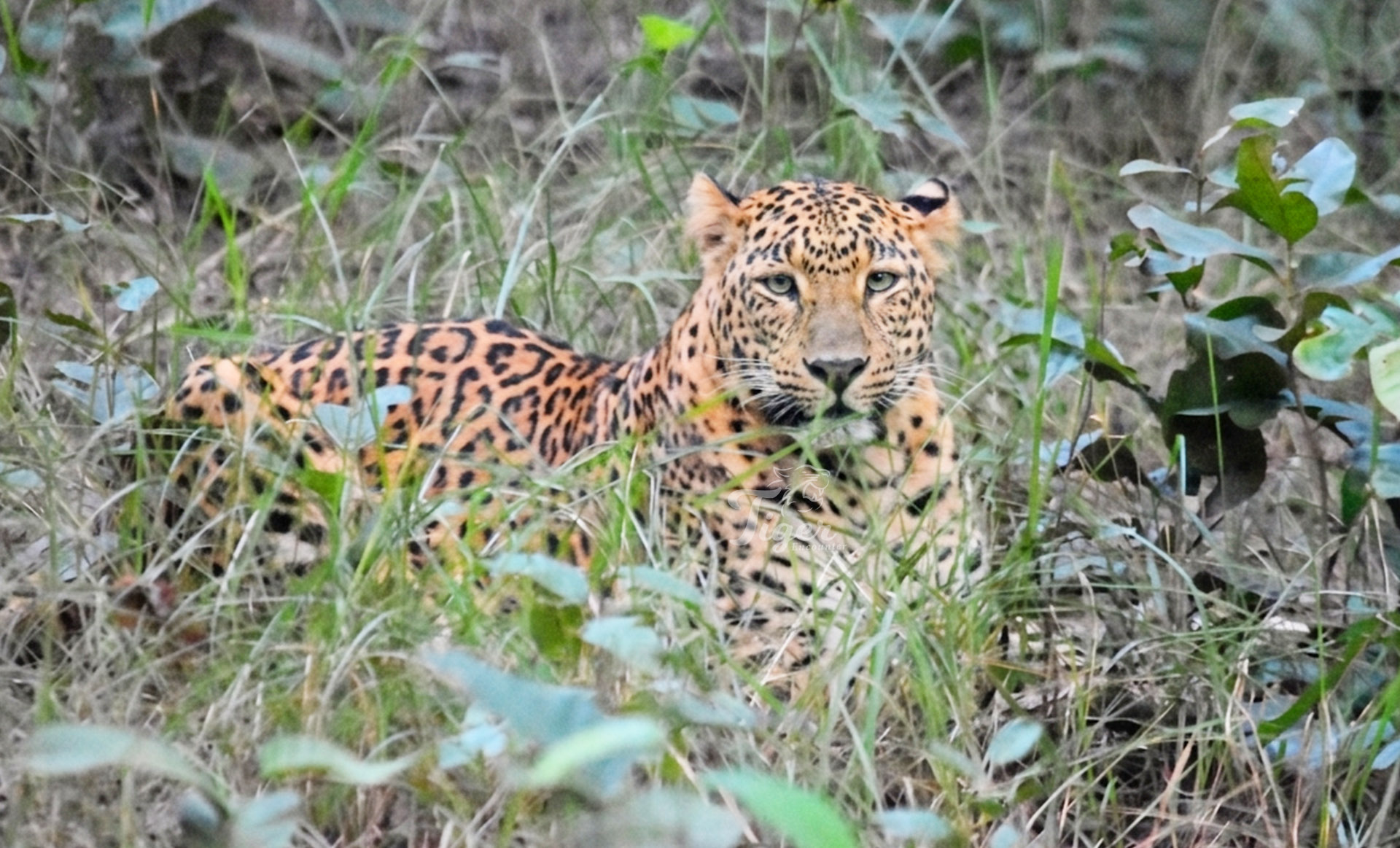
  • Observe the secretive leopard roaming the forest trails and riverbanks of the Terai lowlands.
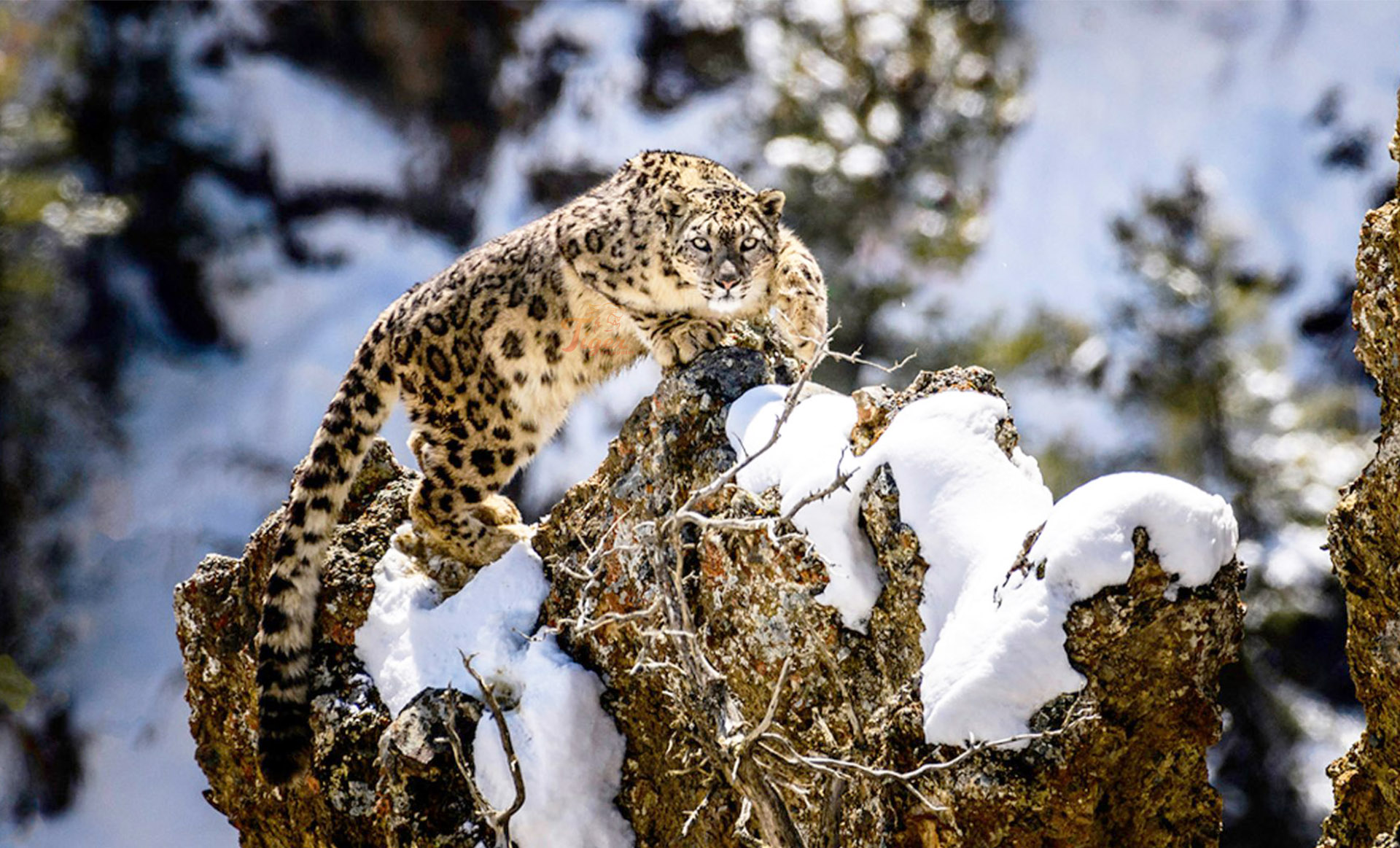
  • Embark on a high-altitude driving trip and trek in Manang in search of the mystical snow leopard.
  • Engage with local conservationists and trackers who help protect these endangered species.
  • Explore diverse habitats from lowland jungles to Himalayan cliffs all in a single journey.
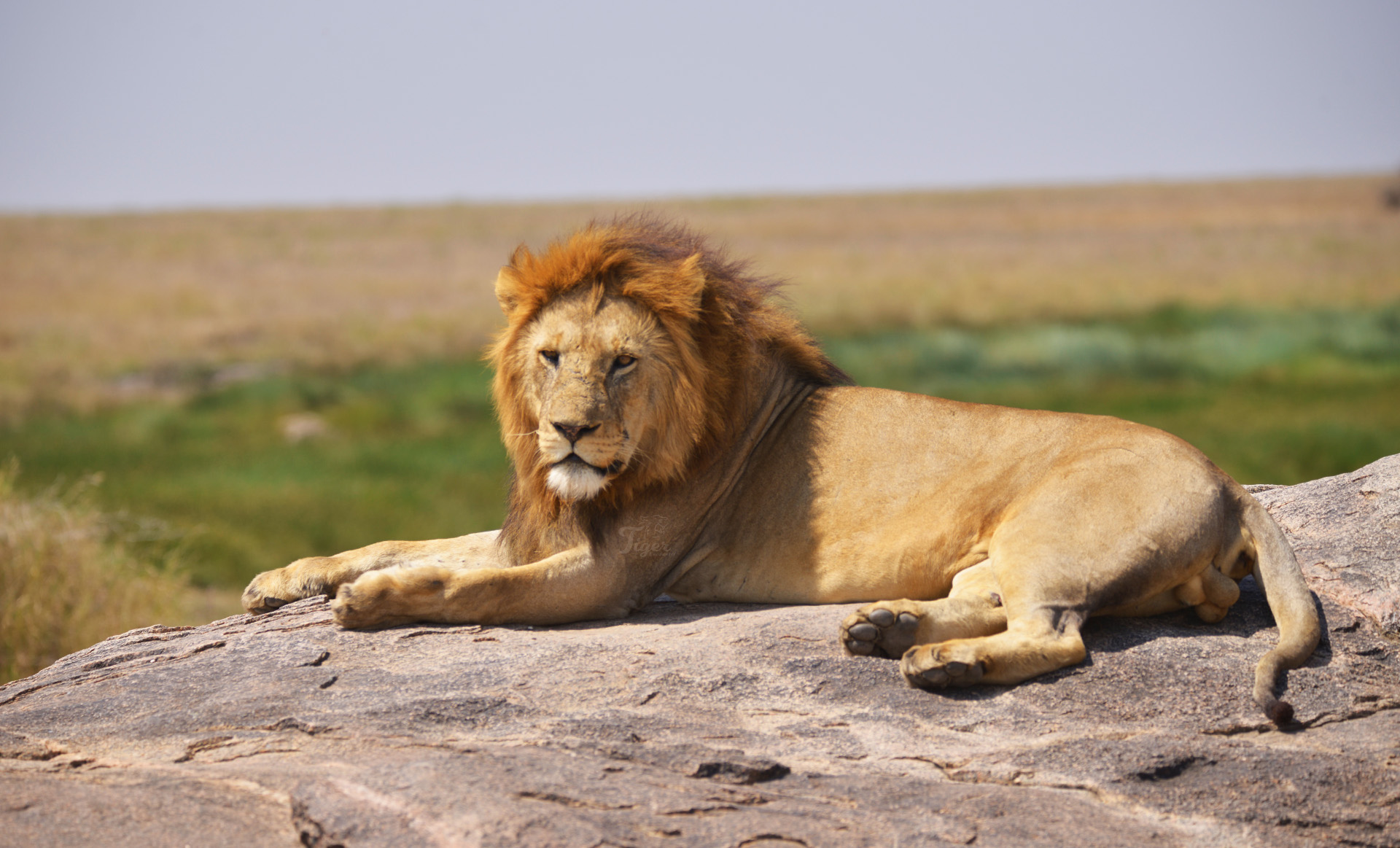
  • Witness the majestic lion in its natural pride on the golden savannas of the Serengeti.
  • Spot the elusive leopard draped over tree branches during early morning or twilight game drives.
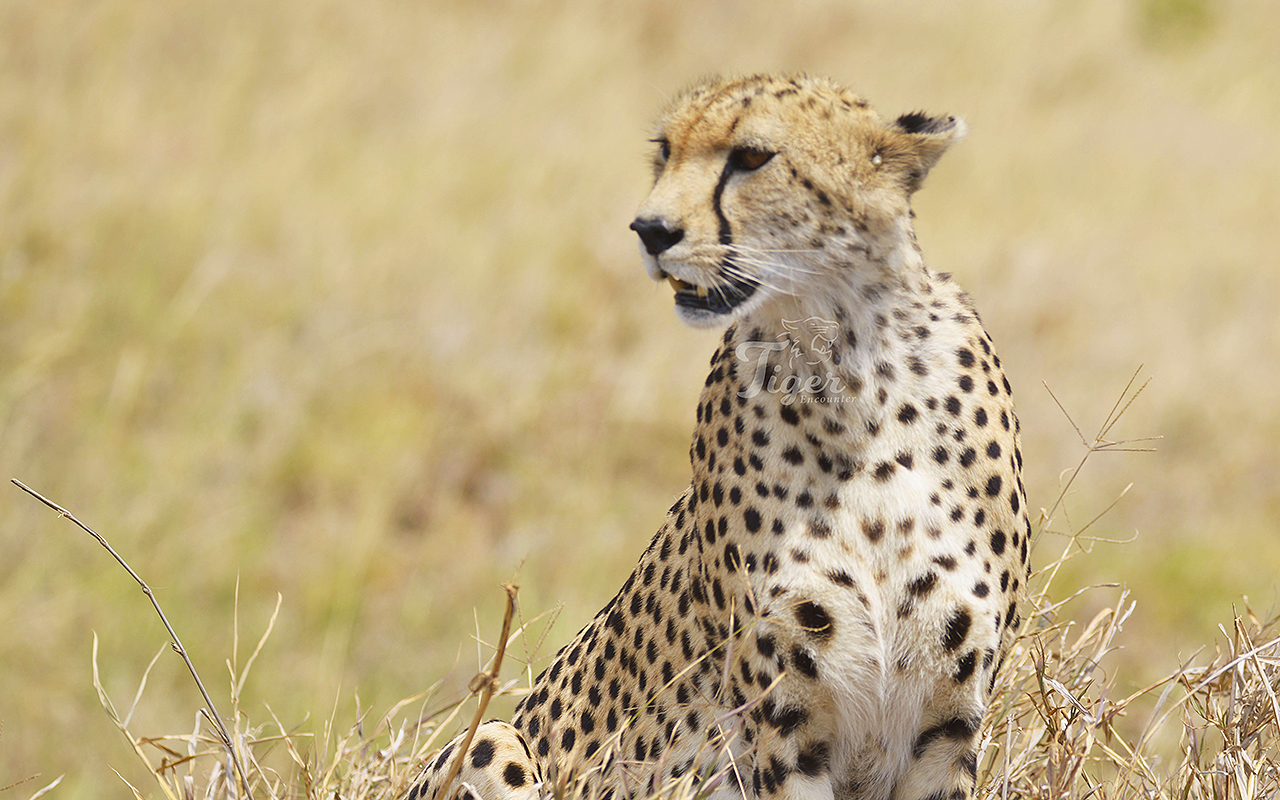
  • Encounter the powerful cheetah sprinting across open plains in search of prey.
  • Discover the stealthy African wildcat, a rare and shy predator hidden in the bushveld.
  • Track the elusive caracal, known for its striking ear tufts and acrobatic hunting style.
Trip Facts
  • Trip Profile : 25-Days-Bigs-Cats-Nepal-and-Africa
  • Trip Type : Private Wildlife Safari
  • Trip Duration : 25 Days
  • Trip Route : Kathmandu, Nepal - Manang - Kathmandu - Nepalgunj - Bardia - Kathmandu - Arusha - Serengeti - Ngorongoro - Lake Manyara - Arusha
  • Trek Accomodation : Best Available Hotels and Resorts - Mountain in the tea house - Premium resort in Nepal - Luxury resort in Tanzania
  • Preferred Seasons : Preferred Season: Late Winter to Early Spring (February – March)
    From Snow Leopards in the Himalayas to tigers in Bardia and safaris in Tanzania — February to March is the perfect season for exceptional wildlife experiences across continents.
  • Transportation: All Private Transportation (Ground transport 4WD Jeep & Car, Domestic Flights & Safari Jeep
  • Age Limit : Above 8

Big Cats Tour in Nepal and Africa: A Wildlife Safari Across Continents

A combined Nepalese and African big cats tour allows you to witness a variety of species, including lions, leopards, and tigers, in their native habitats.

Embark on an extraordinary journey through two continents. Witness the world’s most elusive and powerful predators in their natural habitats. This Big Cats Tour combines the remote beauty of Nepal’s jungles and high Himalayas with the raw wilderness of Africa’s savannas.

To begin, your journey takes you to Nepal for its big cats. Delve deep into the jungles of Bardia National Park in search of the Bengal tiger and leopard. Followed by an adventurous trek into the high-altitude terrain of Manang. Get a rare glimpse of the mysterious snow leopard – the ghost of the Himalayas.

Then, travel to Africa and track the legendary Big Cats – the lion, leopard, and cheetah. Here, you will explore the iconic landscapes of the Serengeti, Ngorongoro Crater, and Tarangire National Park. There, experience the raw thrill of a lion’s roar at dawn or the silent grace of a leopard hidden in the treetops.

Moreover, this journey offers rich cultural immersion. Beyond its landscapes and wildlife, both Nepal and Africa shine with cultural richness. With over 120 ethnic groups, the country’s warm traditions, music, and welcoming spirit make every journey feel personal and unforgettable.

Firstly, in Nepal, connect with the vibrant traditions of the Tharu people, renowned for their resilience and deep connection to the jungle. Then, in Africa, meet the Maasai, the guardians of the plains whose customs and stories bring the land to life.

Tour Plan

1

Arrival in Kathmandu and preparation day

Enjoy the views of the Himalayan skyline from your flight. Upon your arrival in Kathmandu, you will spend the day preparing for your adventure ahead. This will include organizing permits, meeting your guides, and getting any last-minute supplies.

2

Drive from Kathmandu to Besisahar

You will embark on a scenic drive from Kathmandu to Besisahar, a gateway town to the Annapurna region. The journey offers beautiful views of the countryside and terraced fields along the way

3

Drive from Besisahar to Manang

From Besisahar, you will continue your journey by road to Manang. This drive takes you through dramatic mountain landscapes and along winding roads as you ascend into higher elevations.

4-9

Full-day Snow Leopard Tracking in Manang

For six full days, you will engage in snow leopard tracking expeditions in the Manang region. Each day involves guided treks into the rugged high-altitude terrain where snow leopards are known to roam, alongside stunning Himalayan scenery and opportunities to spot other wildlife.

10

Drive from Manang back to Besisahar

After your snow leopard tracking experience, you will drive back from Manang to Besisahar, retracing the scenic route through mountain valleys and small villages.

11

Drive from Besisahar to Kathmandu

From Besisahar, you will drive back to Kathmandu. At Thamel, you can relax and enjoy the lively atmosphere of Thamel with the music of your choice at the bar sipping your best beverage.

12

Morning flight to Nepalgunj and drive to Bardia

Early morning, fly to Nepalgunj, then drive 2–3 hours to Bardia National Park. Upon arrival, enjoy a welcome drink and briefing before lunch. In the afternoon, take a half-day game drive in Dalla Community Forest and visit Geruwa River for birdwatching and wildlife viewing. Return to the resort for dinner and rest.

13-16

Full-day Tiger and Leopard Tracking in Bardia

Over the next four days, you will participate in full-day tiger and leopard tracking safaris in Bardia National Park. These safaris will be on a private jeep, a jungle walk, and rafting. Guided by expert trackers, you will explore the dense jungle and grasslands to catch glimpses of these elusive big cats as well as other wildlife.

17

Fly from Nepalgunj to Kathmandu

After your thrilling wildlife experience, you will fly from Nepalgunj back to Kathmandu, giving you a chance to rest or explore the city one last time.

18

Fly to Arusha Kilimanjaro International Airport, Africa

On this day, you will depart from Kathmandu, concluding your unforgettable big cat tracking journey across Nepal, and fly to Kilimanjaro International Airport for Africa's Big cats. Upon arrival at the Kilimanjaro International Airport,  transfer to your hotel in Arusha. Relax and enjoy views of Mount Meru or Kilimanjaro in the distance.

19

Fly into the wild of Serengeti

Take a scenic morning flight to the heart of Serengeti National Park. On your way to the lodge, enjoy a game drive spotting elephants, giraffes, and big cats.

20-21

Full day game drive

Spend two full days on thrilling game drives in Serengeti, chasing the Big Five, watching cheetahs sprint, and possibly witnessing a Great Migration river crossing (seasonal). Enjoy magical sunsets on the plains.

22

Game drive to Ngorongoro

Embark on a game drive to Ngorongoro National Park, passing Maasai villages and scenic highlands. Arrive at the crater rim for breathtaking panoramic views.

23

Game drive inside Ngorongoro Crater

Enjoy a full-day game drive inside Ngorongoro Crater, home to abundant wildlife including lions, black rhinos, and flamingos on the soda lake.

24

Game Drive to Lake Manyara, evening drive to Arusha

Enjoy a morning game drive in Lake Manyara National Park, known for its diverse birdlife, tree-climbing lions, and lush groundwater forest. In the evening, drive back to Arusha for your overnight stay.

25

Fly out of Tanzania to home country

After breakfast, transfer to Kilimanjaro International Airport for your final departure. Depart with unforgettable memories of your African safari adventure.

Cost Detail

Trip Includes
  • All necessary airport arrival and departure transport as per the itinerary.
  • 2 nights luxury hotel accommodation in Kathmandu (4/5-star category hotel) in BB plan.
  • 2 luxury accommodations in Besisahar with a BB plan
  • 6-night accommodation with attached rooms in Manang. 
  • 5 nights of luxury accommodation in a resort at Bardia National Park 
  • 2 nights’ hotel accommodation in Arusha, twin/single, with breakfast at 4/5 stars hotel 
  • 3 nights' accommodation in Serengeti and 2 nights’ hotel accommodation in Ngorongoro
  • Breakfast, Lunch & Dinner, during the drive, trek, and tracking (A choice of food as per the menu 3 times a day).
  • Hot Beverages (Tea, Coffee, Milk, Hot Chocolate, Hot Water)
  • Pack lunch during snow leopard, tiger, and leopard tracking
  • All the road transportation on a private vehicle
  • Insurance for Nepalese staff. (Guide and driver)
  • Guide and porter fares and taxes. Government Tax and office service charge.
  • Pack Veg/Non-veg lunch during safari, every day 
  • All necessary entrance and National Park permit fees 
  • All activities as mentioned in the itinerary are included: private jeep safari, private jungle walk, private rafting, bird watching, village walk, sundown, etc.
  • All ground transport inside & outside the national park during the tour.
  • Professional government license holder, English-speaking, expert nature guide for the entire safari trip – guides have a minimum of 15 years of experience and work for conservation.
  • Basic medical kits
  • All government and local taxes.
Trip Excludes
  • International airfare to/ from Nepal.
  • Lunch and dinner in Kathmandu.
  • Insurance covers medical, emergency evacuation, loss, etc.
  • Beverages, alcoholic drinks, and cold drinks.
  • All food and beverages are other than on the itinerary. 
  • Extra night accommodation in Kathmandu because of early arrival, late departure, and early return from the mountain (due to any reason) than the scheduled itinerary.
  • Personal gear and expenses.
  • Tips and gratitude were provided to staff.


Location Detail

Tour Location

Description of the Location

Begin your journey in Nepal, where our dedicated team will greet you upon arrival in Kathmandu and handle every detail for your snow leopard experience in Manang and your royal Bengal tiger safari in Bardia National Park.

After exploring the Himalayan wilderness, fly to Tanzania (via Qatar Airways) for an unforgettable African adventure. Discover the legendary Serengeti and Ngorongoro Crater, with our local team ensuring every moment of your safari is perfectly arranged.

Tiger Encounter delivers a seamless journey across two continents, from the rugged highlands of Nepal to the vast savannas of East Africa.


Africa and Nepal Safari – Key Differences

Feature

Africa

Nepal

Geography

Savannas, grasslands, deserts

Terai plains, forests, wetlands

Types of Elephants

African Elephant

Asian Elephant

Rhino Species

Black and White Rhino

One-Horned Rhino

Top Predator

Lion

Royal Bengal Tiger

Safari Style

Open-vehicle drives

Jeep safaris, walking safaris, rafting


Yellow Fever Vaccination Requirement for Visiting Tanzania

Just a quick note regarding health requirements for Tanzania—if you're arriving from or transiting through a country with a Yellow Fever risk (including long layovers over 12 hours), you’ll need to get the Yellow Fever vaccination at least 10 days before your trip. The certificate is valid for life, and immigration may ask to see it when you land, so please keep it with your travel documents.

Also, don't worry—we’ll be sending you all the necessary details in your package, including visa info, hotel confirmations, and your guide’s profile once the trip confirmed!


Track the roar, chase the shadow - journey into the wild with Nepal’s big cats

Manang lies in the northern part of Nepal in the Annapurna region at an altitude of 3,500 meters / 11,500 feet. Bardia National Park is in the Terai lowlands of western Nepal, near the border with India. Much lower altitude (about 200–300 meters / 650–1,000 feet), with dense forests and grasslands.

Step deep into the untamed jungles and soaring mountains of Nepal, where Asia’s most secretive big cats still roam free. It is the chance to witness three of the world’s most elusive and iconic big cats in Nepal’s wilderness.


From searching for Snow Leopards in the remote Himalayan highlands of Manang to tracking Royal Bengal Tigers and leopards through the dense Sal forests of Bardia, this is more than a safari.

It’s a raw, immersive expedition into Nepal’s wildest and most breathtaking frontiers. Begin your journey in the rugged trails of Manang to spot the elusive snow leopard — the true ghost of the Himalayas. Followed by the safari in the jungles of Bardia National Park, where tiger and leopard sightings fuel every step.


Roam Africa’s wild, where every roar tells a story- your big cat adventure starts here.

Tanzania’s Serengeti, nestled in the heart of East Africa, is a land of breathtaking contrasts and natural wonders. From the sweeping savannahs of the Serengeti and Arusha to the snow-capped summit of Mount Kilimanjaro, it's a dream destination for adventurers and nature enthusiasts.

The big cats of Africa are typically the lion, leopard, and cheetah — the continent’s most powerful and recognizable wild cats. In addition, this safari journey offers the opportunity to encounter Africa’s Big Five: the elephant, rhino, and Cape buffalo, all roaming freely in their natural habitat.

Just Fill and Book

This is a pre-booking form for the lead traveler. We would send you the actual booking form after the confirmation


    Frequently asked questions

    • What big cats are found in Nepal?
      Nepal is home to three major big cat species: Bengal Tiger (Panthera tigris tigris), Snow Leopard (Panthera uncia) and Common Leopard (Panthera pardus)
    • What is the best time to see big cats in Nepal?
      The best time to see the snow leopard is during the late winter and early spring (February to April) when snow leopards descend to lower elevations in search of prey. Tigers & Leopards are best seen during the dry season March to May and September to November. This time of the year offers better visibility and higher chances of sightings. During these periods, the jungle’s vegetation is less dense and the animals often drawn around dwindling water resources to cool down
    • Where we can see the snow leopards in Nepal?
      High-altitude areas of Nepal are home to snow leopards, particularly in protected areas such as Manang (Annapurna Conservation Area), Upper Mustang, Dolpa (Shey Phoksundo National Park), Humla, and Kanchenjunga Conservation Area. Among these areas, Manang is the place to go in Nepal if you really want to see this elusive cats in the wild. Manang has easy access of road which is reachable within 2 days of drive from Kathmandu.
    • How many snow leopards are in Nepal?
      Nepal's first-ever national estimate of snow leopards reveals a population of 397 individuals, based on comprehensive field studies conducted between 2015 and 2024. Although Nepal comprises only 2% of the global snow leopard range, it is home to nearly 10% of the world’s total snow leopard population - making it the fourth-largest snow leopard range country globally.
    • Are snow leopards endangered?
      Yes, the snow leopard (Panthera uncia) is listed as Vulnerable on the IUCN Red List, with only 397 individuals estimated in Nepal.
    • Do snow leopards harm humans?
      Snow leopards are extremely elusive and shy creatures. There are not any recorded attacks on humans in Nepal.
    • What do snow leopards eat?
      Their primary prey includes blue sheep (bharal), Himalayan tahr, marmots, and occasionally livestock like goats and sheep.
    • How is Nepal conserving snow leopards?
      Nepal’s conservation programs involve community-based efforts, anti-poaching patrols, camera traps, livestock insurance schemes, and support from international partners like WWF and Snow Leopard Trust.
    • Can tourists track snow leopards in Nepal?
      Yes, we Tiger Encounter as an eco-tourism operator offer snow leopard tracking treks, especially in Manang combining wildlife spotting with cultural experiences.
    • How difficult are the snow leopard tracking treks?
      These treks are moderately to highly challenging, due to high altitudes (3,500–5,000m), cold weather, and rugged terrain. Physical fitness and prior trekking experience are recommended. But there will be a dedicated guide during the trip even you are beginner or amateur trekker and we don’t have to walk a lot like in the trekking, its little walk, more wait and watch game.
    • Can tigers and leopards be seen on the same safari?
      Yes, especially in Bardia and Chitwan, although leopards often avoid areas with high tiger density.
    • Is it safe to go on tiger/leopard tracking tours in Nepal?
      Yes, with professional guides and park regulations, these tours are generally safe and ethical.
    • How many tigers are there in Nepal?
      Nepal is home to approximately 355 wild Bengal tigers (as of the 2022 National Tiger Survey). This is a significant increase from 121 in 2009
    • Where to go to see tigers in Nepal?
      The best places to see wild tigers include: Bardia National Park (best chance for sightings), Chitwan National Park (UNESCO World Heritage Site), Parsa National Park, and Banke National Park.
    • Are tiger sightings common in Nepal?
      Sightings are rare but possible, especially in Bardia and Chitwan, with the help of experienced guides and multiple-day safaris. Till, now we have been succeed to show the tigers to our clients in Bardia.
    • Why is Nepal important for tiger conservation?
      Nepal is globally recognized for its success in doubling its tiger population under the TX2 global goal. It is a key range country in the Terai Arc Landscape, which supports viable tiger habitats.
    • What threats do tigers face in Nepal?
      Habitat loss and fragmentation, Poaching for illegal wildlife trade, Human-wildlife conflict due to livestock predation and Infrastructure development in protected areas are the threats for the tiger and its conservation in Nepal.
    • Where are leopards found in Nepal?
      Leopards are widespread and adaptable, found in the national parks like Bardia and Chitwan and its Buffer zones, and Shivapuri Nagarjun National Park (near Kathmandu).
    • Are leopard sightings common in the wild?
      Leopards are solitary and elusive, so sightings are rare, but tracks and camera trap images confirm their presence across a wide range.
    • What is the estimated population of leopards in Nepal?
      There is no exact national census, but leopards are believed to be more numerous than tigers due to their adaptability.
    • Do leopards come into conflict with humans?
      Yes. Increasing incidents of livestock depredation and occasional attacks on humans, especially in peri-urban and rural areas, have been reported.
    • Are leopards protected in Nepal?
      Yes. Leopards are listed as protected species under Nepal's National Parks and Wildlife Conservation Act, 1973.
    • How does Nepal manage human-wildlife conflict?
      • Compensation schemes for livestock losses • Community-based anti-poaching units (CBAPUs) • Education and awareness programs
    • How can tourists help big cat conservation?
      • Choose eco-friendly tour operators • Visit community-run homestays and conservation projects • Support conservation NGOs working in Nepal
    • Which are the big cats of Africa?
      The primary big cats in Africa are Lion (Panthera leo), Leopard (Panthera pardus), Cheetah (Acinonyx jubatus). Some also include the caracal and serval as small to medium wild cats of Africa.
    • Where can I see big cats in Africa?
      Top locations include: Serengeti National Park, Tanzania, Masai Mara, Kenya, Kruger National Park, South Africa,Okavango Delta, Botswana, Etosha National Park, Namibia
    • Are African big cats endangered?
      • Cheetahs are listed as Vulnerable (fewer than 7,000 in the wild) • Lion – Vulnerable (population declining) • Leopard – Near Threatened (status varies by region)
    • What’s the difference between a leopard and a cheetah?
      • Leopard: Stockier, strong climber, rosette-patterned spots, hunts from ambush. • Cheetah: Slim build, black “tear marks” on the face, solid round spots, fastest land animal.
    • Are lions only found in Africa?
      Mostly yes. Wild lions are primarily found in sub-Saharan Africa.
    • Why is the cheetah not part of the "Big Five"?
      The Big Five (lion, leopard, elephant, rhino, buffalo) were chosen for being the most difficult and dangerous to hunt, not by size. Cheetahs are shy and not aggressive, hence excluded.
    • How fast can a cheetah run?
      Cheetahs can sprint up to 112 km/h (70 mph), making them the fastest land animal, but only for short bursts.
    • What is the social structure of lions?
      Lions live in prides – groups of related females and their cubs, led by one or more males. This makes them the most social of the big cats.
    • Are African big cats dangerous to humans?
      In the wild, they generally avoid humans. However, attacks can occur, especially if the animals feel threatened or are provoked.
    • What threats do big cats face in Africa?
      • Habitat loss • Human-wildlife conflict • Poaching and illegal wildlife trade • Depletion of prey species

    What your client say about us.

    Similar Locations We Service

    Bardiya National Park

    Snow Leopard Photography Expedition in Nepal

    Track the Ghost of the Himalayas and Capture the Moment of a Lifetime — A 19-Day Private Snow Leopard Photography Quest with Tiger Encounter

    • 19 Days
    • 18 Nights
    Bardiya National Park

    African Safari in Tanzania’s Famed National Parks

    Experience Tanzania’s greatest wildlife treasures on this safari adventure: the Big Five, and the Great Migration – all in one amazing safari.

    • 9 Days
    • 8 Nights
    Bardiya National Park

    Big Five Safari Adventures in Africa and Nepal: Big Five in Two Wild Worlds

    Embark on a once-in-a-lifetime wildlife adventure that bridges continents — from the sweeping savannahs of Africa’s Serengeti to the untamed jungles of Nepal’s Bardia National Park.

    • 15 Days
    • 14 Nights