Description of the Location
The first national park of Nepal, Chitwan National Park covers an area of 952.63 sq km and covers the districts of Nawalpur, Parsa, Chitwan, and Makwanpur. Its altitude ranges from 100m to 815m. Narayani-Rapti River is a natural boundary in the north and west of the park whereas Parsa Wildlife reserve lies in the east part of the park and India’s Valmiki National Park is in the South.
To reach Chitwan National Park, you can go either by Vehicle for 5 to 6 hours to the South of Kathmandu or by air to Bharatpur Airport for 25 minutes followed by half an hour drive to the national park.
What to Bring
- Neutral colored clothing is recommended.
- Light clothing is needed for the daytime with a sweater and warm jacket for the evenings from November to March.
- Pants / Trousers are recommended for safari and jungle walk.
- Comfortable walking shoes, sun hats, sunglasses, etc. are essential.
- Insect repellent and personal medical requirements should be carried.
- It is highly recommended to travel light with only one small suitcase or duffle bag.
- During the warmer months, swimming suits are recommended.
- A small flashlight is recommended.
- Binoculars add greatly to your enjoyment for bird and wildlife viewing.

Note: Evening Entertainment of Tharu Cultural dance and PowerPoint Presentation about CNP and flora and fauna by expert Naturalist will be offered from the house those staying on Jungle Plan.
Note: During monsoons (mid-June / July to October end) Jeep safaris are not conducted by park authorities. Alternate activities are provided during this period.
We will meet pickup you from Internatinal Airport:
We organized Kathmandu Tribhuvan International Airport (TIA) airport pick-up and drop service. Upon your arrival, you are welcomed and greeted at your arrival gate (Holding your name on the company pamphlet- Tiger Encounter) by our representative member from a company, then transfer to your hotel in Kathmandu. For departure transfer, we will come to pick you up at your hotel in Kathmandu and take you to the airport for your international flight.
As per our plan, we’ll provide you with domestic departure and arrival as per the flight schedule.
Passport & Visa:
All foreigners except Indian nationals must have a valid visa to enter Nepal. Visa is available on arrival at Tribhuvan International Airport upon entry in Kathmandu, Nepal, and at Nepal borders of India and Tibet. Visa can be easily extended to the central immigration office. www.immigration.gov.np Visa application requires a passport with at least 6 months until expiration and one passport-size photo.
The current cost of a visa for 15 Days – 30 USD, 30 Days – 50 USD, and 90 Days – 125 (to be paid in cash) Other currencies are also accepted although rates may differ. Other nationalities should check entry requirements. Visitors are requested to specify return flight tickets, and the time intended to stay in Nepal.
Visa Extension Fee: Tourist visa extension is done for a minimum of 15 days with USD 45 and USD 3 per day for additional days. In the case of a delay of less than 150 days additional USD 5 per day as of late fine.
Safety precautions for Bardia National Park Safari:
Aside from geographical protection, Tiger Encounter has taken safety in following things to make travel as safe as possible making the most out of it without any worry!
- Our guides have received extensive wilderness first-aid training.
- Tour leaders and guides have years of wildlife experience and can help you if there is any kind of uneasiness and assure happiness & satisfaction are guaranteed.
- We’ll have High-quality masks & Gloves with sanitizers for everyday use throughout the journey for the Tiger Encounter team assisting you.
- Encouragement and inspiration can be a regular occurrence.
- Food and accommodation in the national park would be rechecked for additional hygiene.
Tipping:
Tipping is not included in the salaries of your guides, driver, or crew, but it is greatly appreciated. In Nepalese culture, tips are accepted and a lovely way of saying thank you (“Dhanyabada”) for good service. Normally the tips are offered at the end of the tour and this is best done as a group. Most groups will give the trips on the last day of the tour.
Safety Precautions:
- A first-aid kit is recommended to carry by the visitors for their own safety.
- Visitors should be alert to the wildlife inside the core area.
Stop Population:
- Carry out what you carry in.
- Buy only what won’t pollute, or carry it out.
- Take only photographs, leave only footprints.
- Do not use polythene/ plastic materials.
Facts About Chitwan National Park:
National Park declared the year: 1973 AD
National park area: 952.63 km²
Location: Central Nepal (Chitwan, Nawalparasi, Makwanpur & Parsa districts)
World Heritage site listed: 1984 (Natural Site)
Ramsar site declaration: 2003 (Bishajari and associated lakes)
Bioclimatic zone: Sub-tropical
Elevation: 140-800m from the sea level
Major geophysical characteristics: Churia, Bhabar, Chitwan Valley
Major Lakes: Tamor Tal, Lami Tal, and Devi Tal
Major Rivers: Narayani, Rapti, and Reu
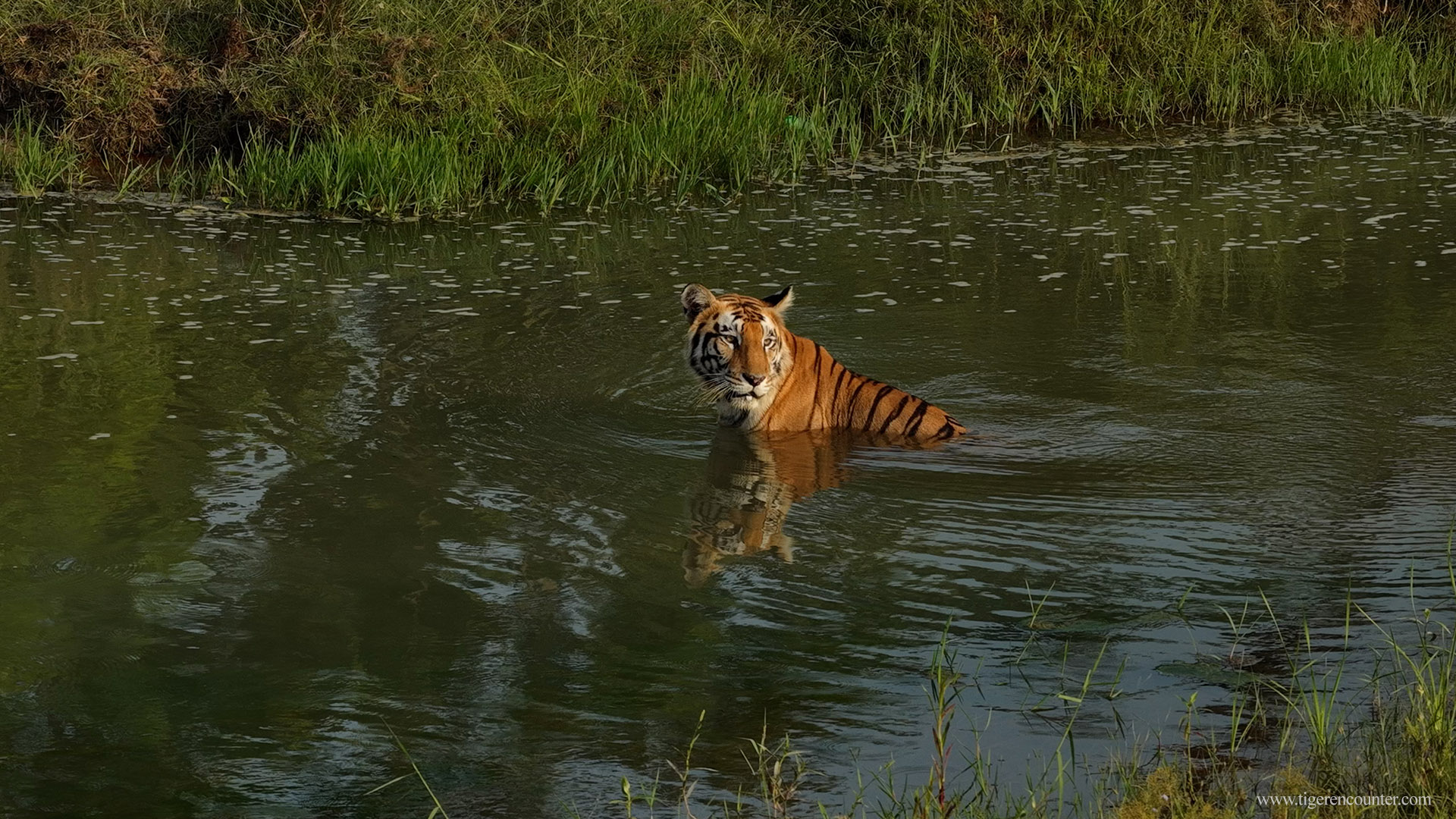
Main mammals: Grater One-horned Rhinoceros, Royal Bengal Tiger, Gaur Bison, Sloth Bear, Asian Wild Elephant
Main birds: Bengal Florican, Lesser Florican, Giant Hornbill
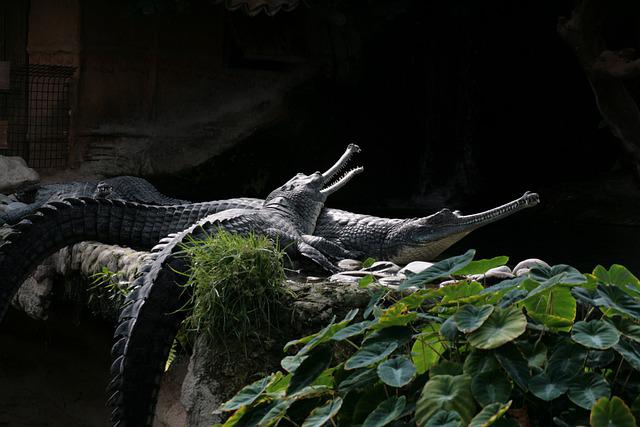
Main reptiles: Asian Rock Python, Gharial Crocodile, Golden Monitor Lizard
Buffer zone declared: 1996 AD
Buffer zone area: 729.39km²
Major tourist destinations: Sauraha, Madi Valley, Kasara, Laukhani, Khagendramalli, Padampur, Amaltari, Balmaki, Ashram, Sanachuri, Meghauli
Districts: Chitwan, Bardaghat/ Susta Purb Nawalparasi, Makwanpur & Parsa (Privince 2,3 & 4)
Metropolitan: 1 (Bharatpur)
Municipalities: 8 (Rapti, Khairhani, Ratnanagar, Madi, Gaindakot, Devichuli, Kawasoti & Madhyabindu
Rural Municipalities: Nirmal-Thori, Binaya-Triveni and Manahari
Economy: Tourism, Agriculture, animal husbandry, business & Mountaineering
Population: 223,260
Major caste groups: Tharu, Brahmin, Chhetri, Kumal, Gurung, Bhote, Tamang
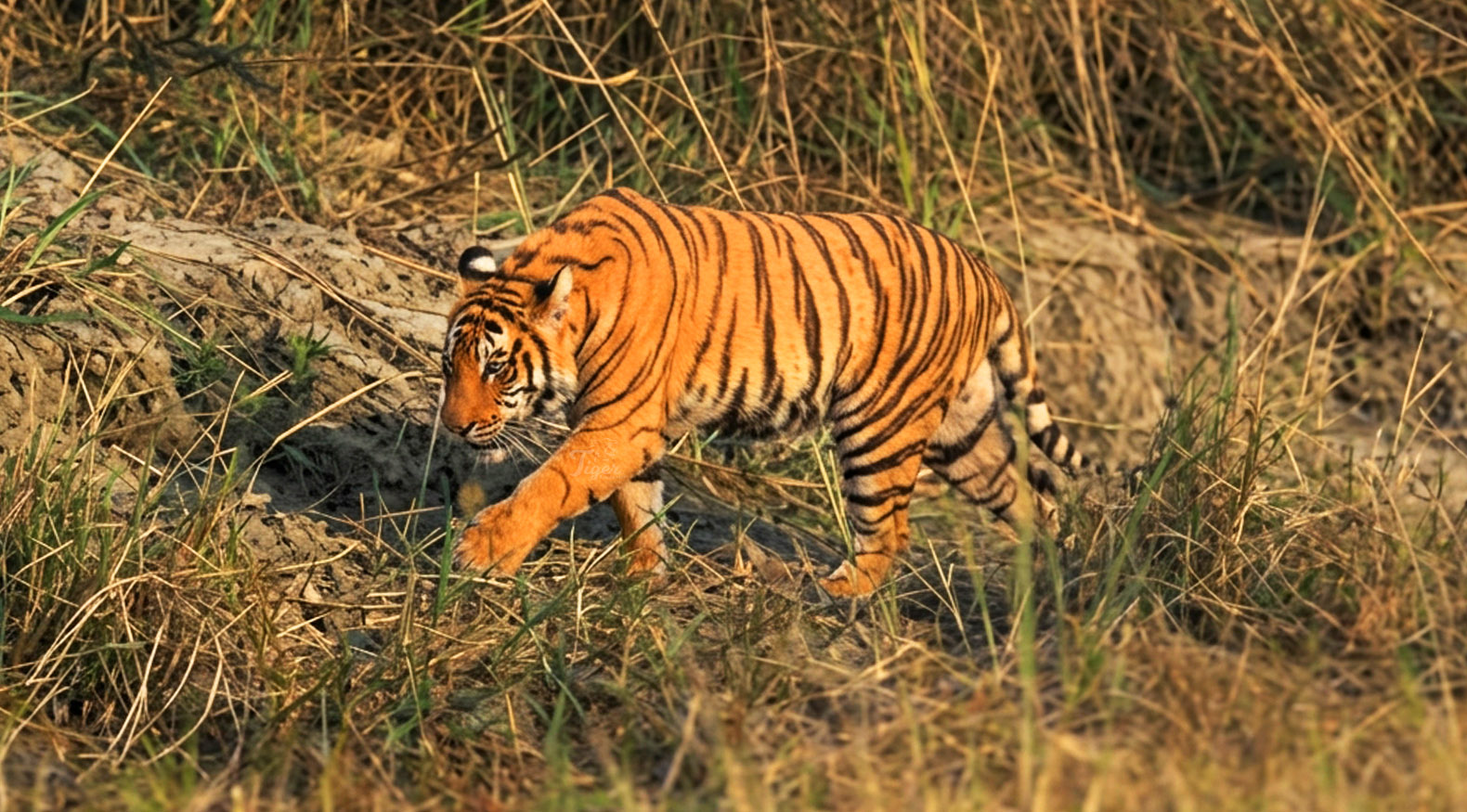
"Private safari with combining a trek in Nepal offers a unique opportunity to immerse yourself in the diverse tapestry of culture, mountains, nature, heritage, festivals, and much more that Nepal has to offer."