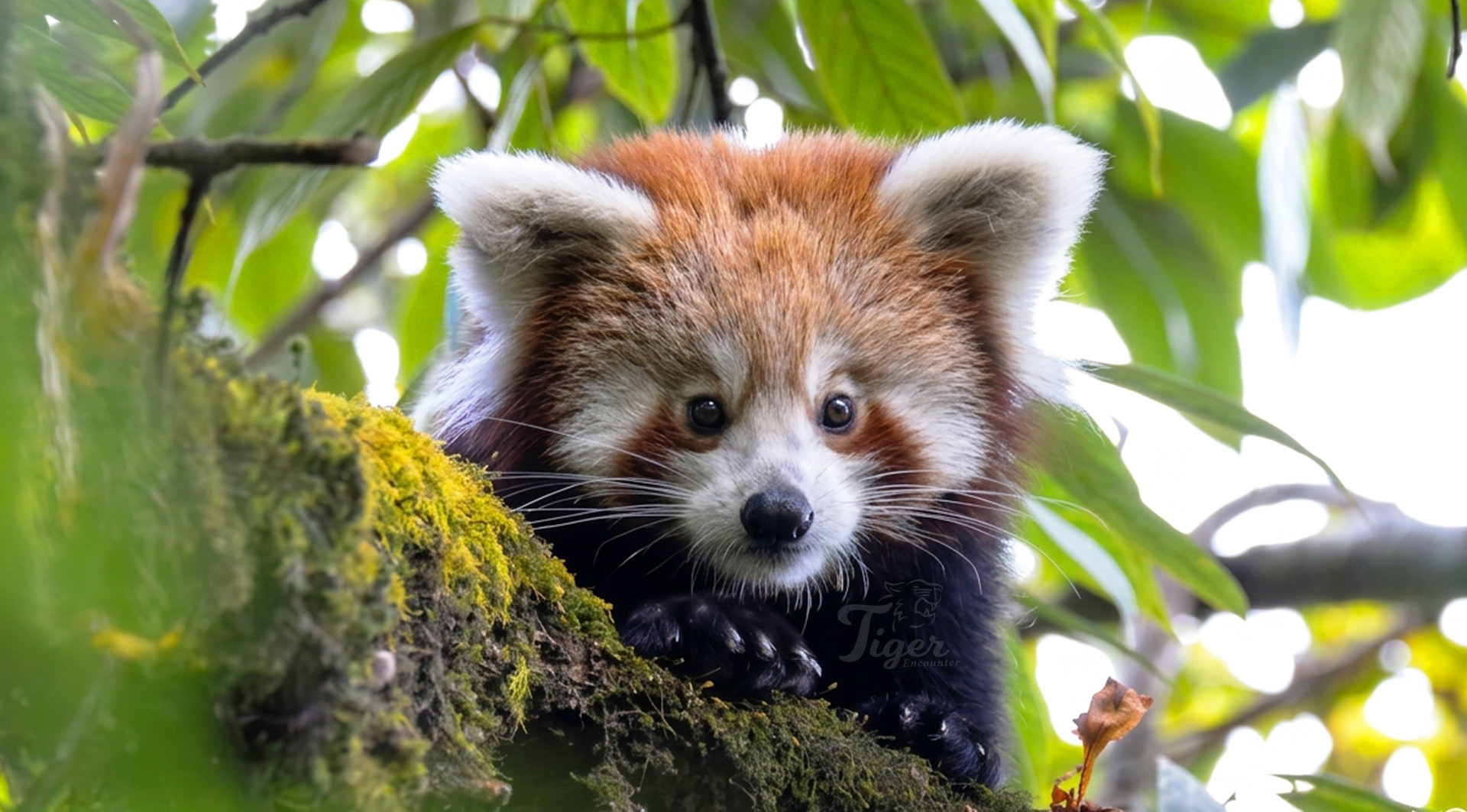
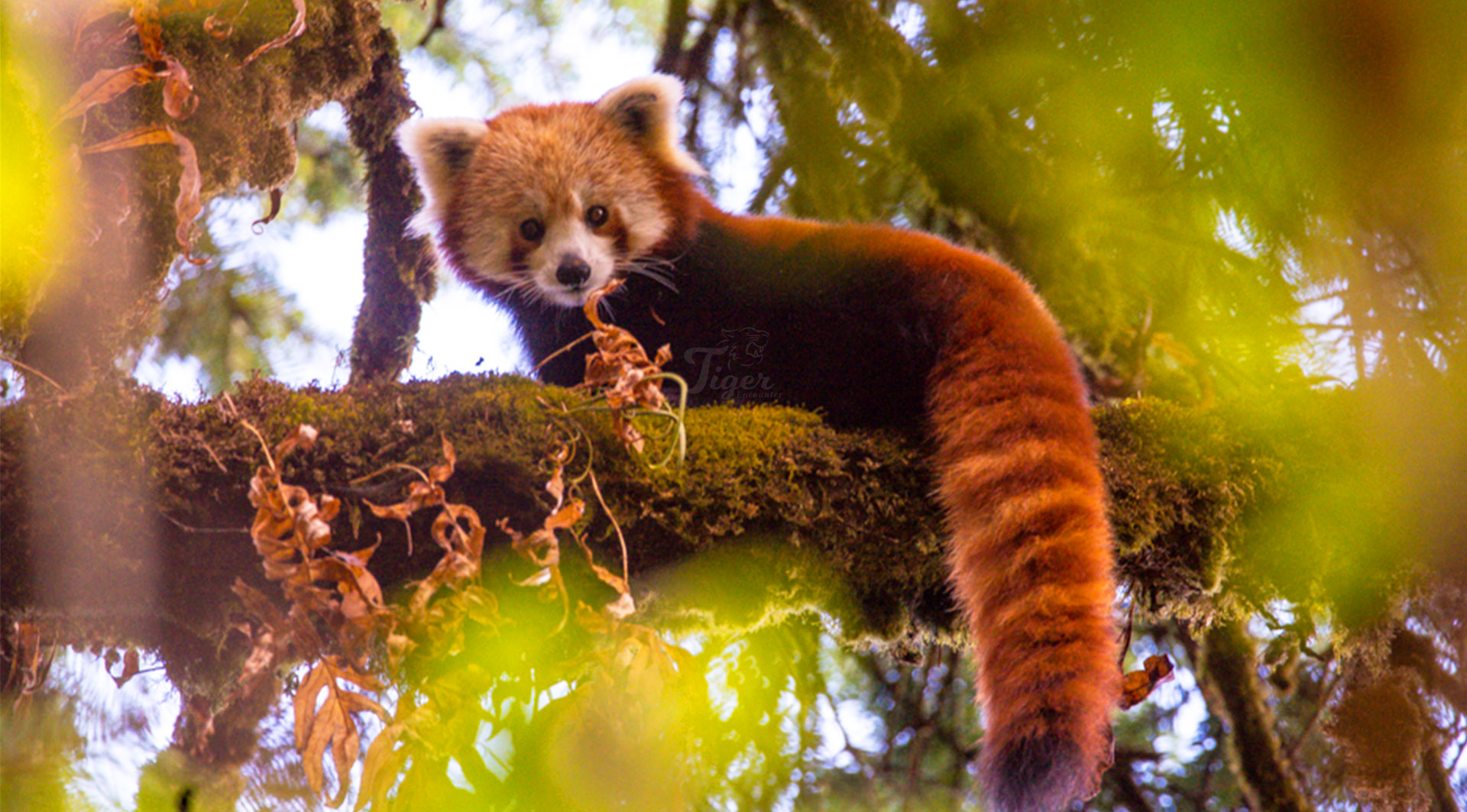
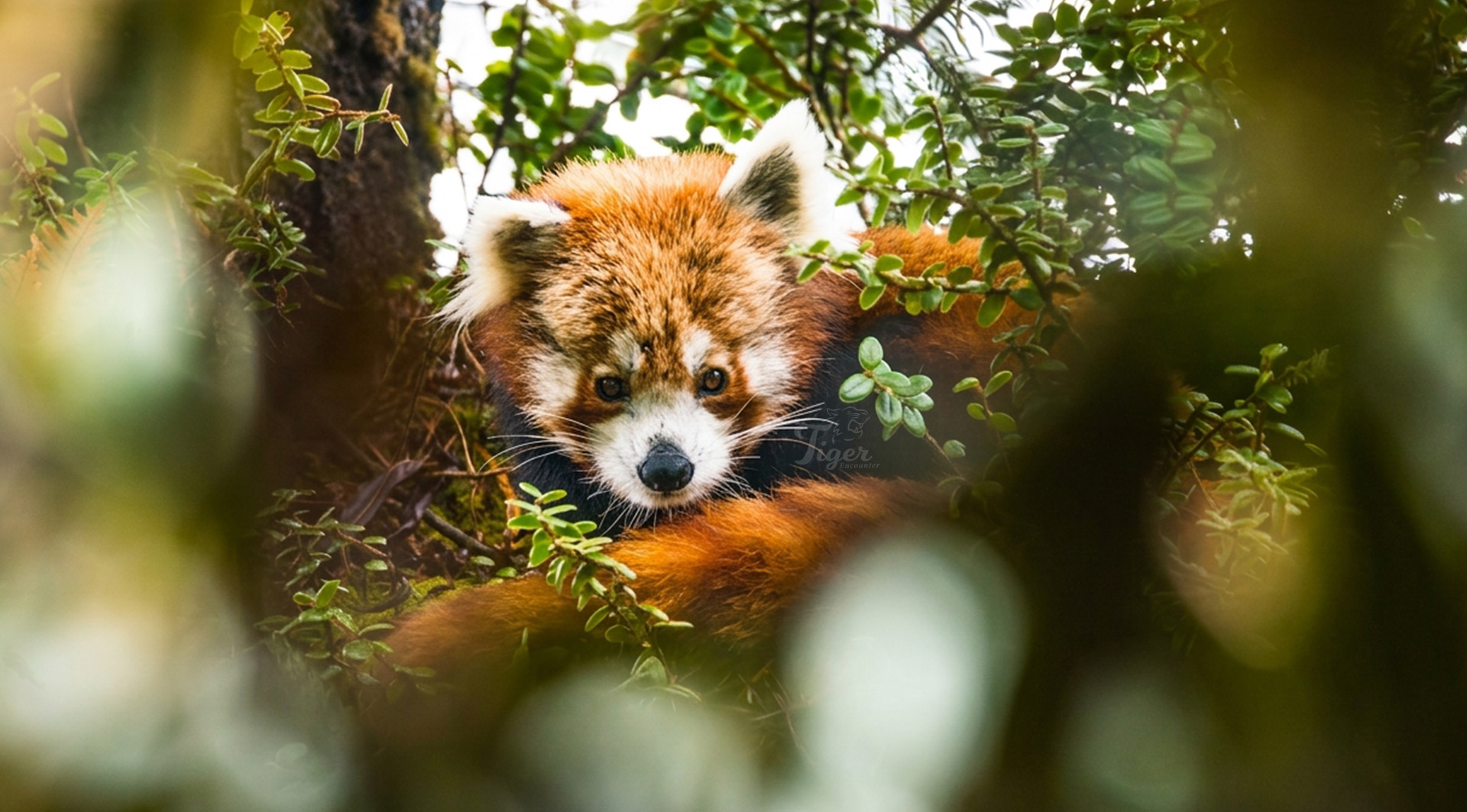
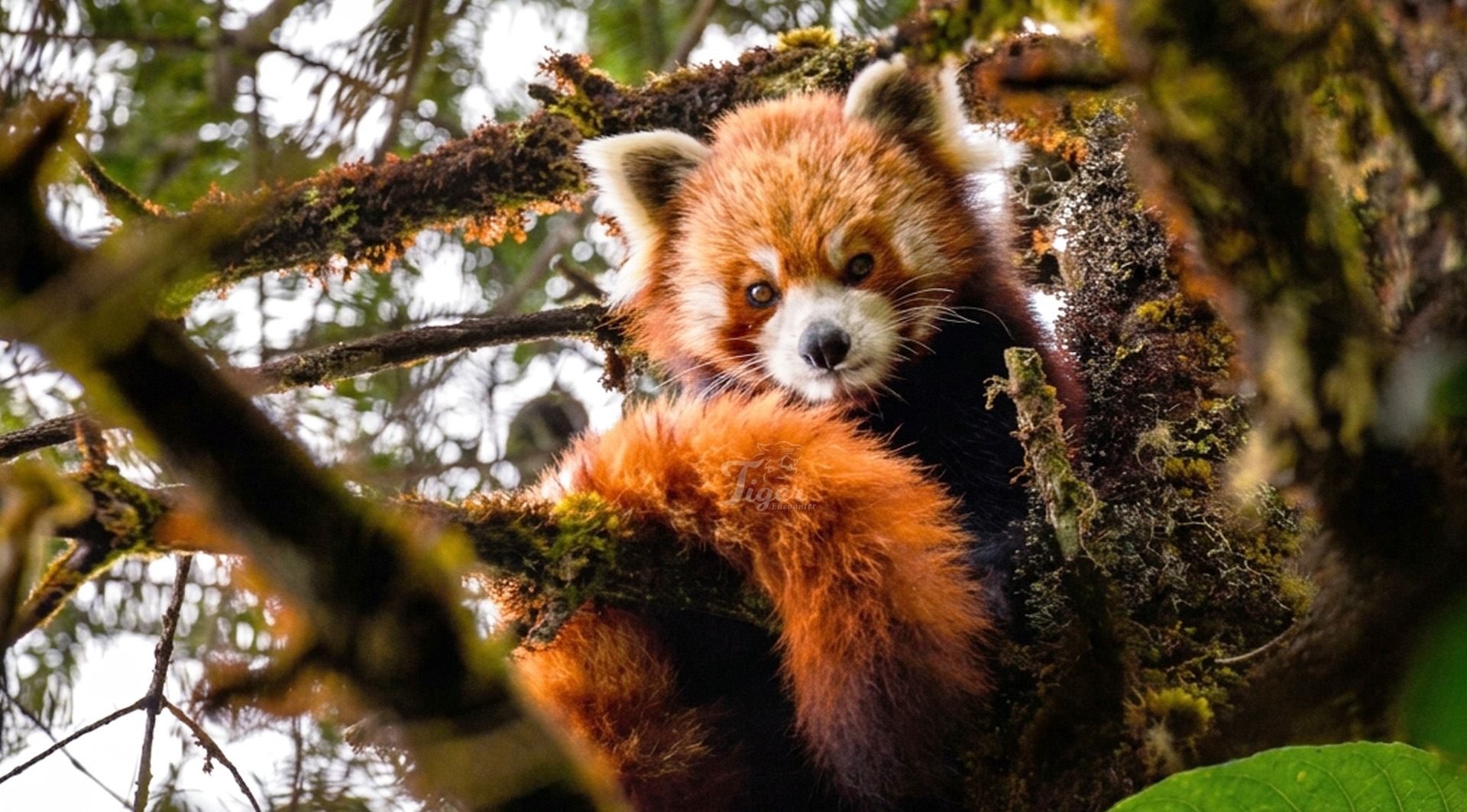
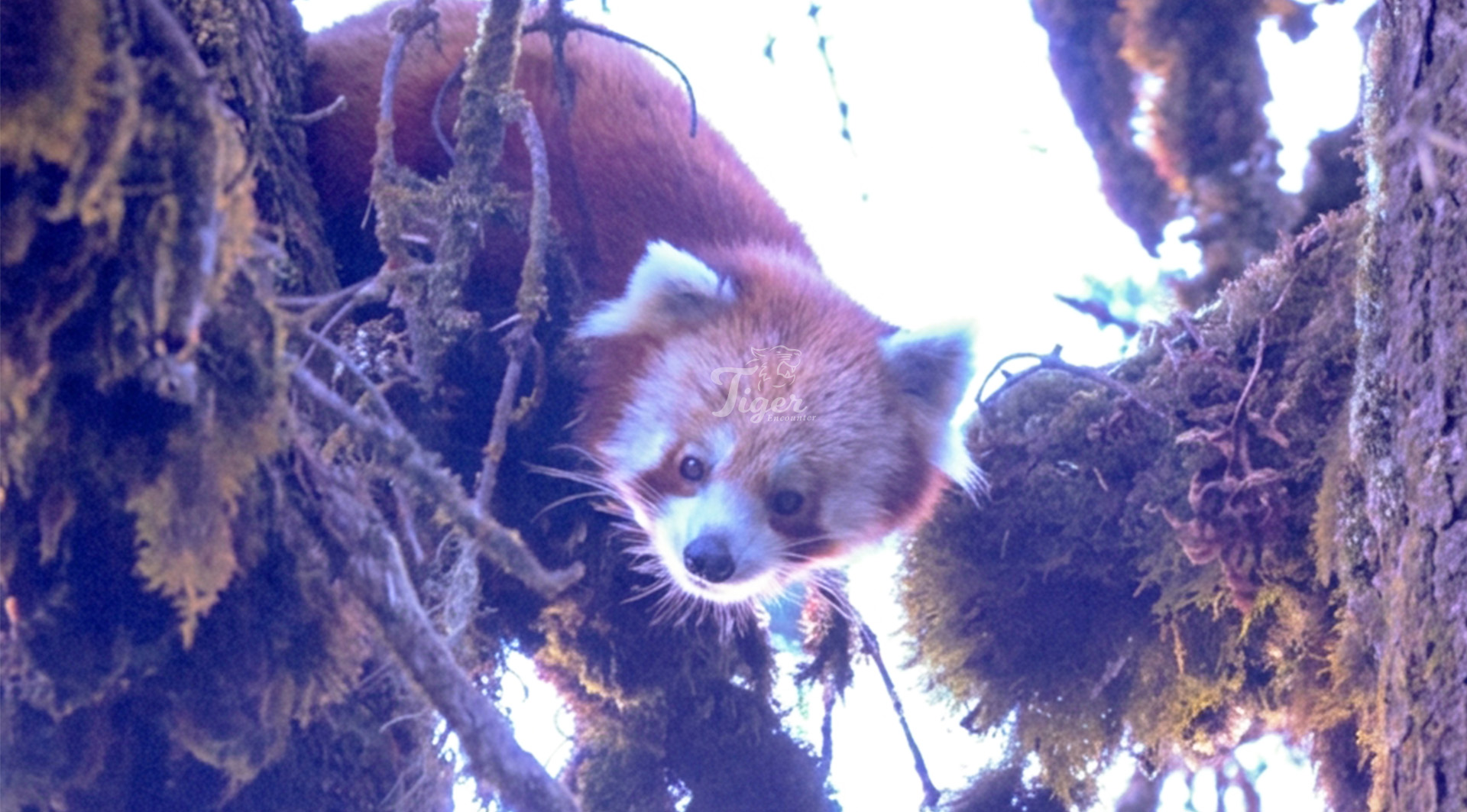
Red Panda Tracking and Photography with experts in Nepal is an exceptional wildlife experience for photographers, nature enthusiasts, and travelers who want to observe the elusive red panda in its natural Himalayan habitat. This specialist expedition focuses on tracking, patience, wildlife observation, and photography.
Experienced local naturalists and wildlife photographers guide this red panda tracking and photography expedition in Nepal. They know the animal’s habitat, feeding areas, and movement patterns.
The expedition focuses on Langtang National Park and eastern Nepal, including Ilam. Red pandas inhabit temperate and sub-alpine forests rich in bamboo. Nepal’s official conservation information confirms red panda presence in Langtang and several other protected areas. In addition, Langtang is one of the country’s important red panda habitats.
Why Choose an Expert-Led Red Panda Photography Tour?
Red pandas are shy, solitary, and difficult to spot in dense Himalayan forests. Therefore, an experienced tracker can greatly improve your chances. Trackers identify feeding areas, movement patterns, fresh signs, resting trees, and suitable observation points.
Finding a red panda in the wild is not simply a matter of walking through the forest and looking into the trees. These animals can remain hidden in dense vegetation. They can also rest high in trees during the day and blend remarkably well with their surroundings. For this reason, local knowledge and experienced trackers are so important.
Lhakpa Gyalbu Sherpa, a local naturalist and wildlife photographer from the Langtang region, leads our Red Panda Tracking and Photography Expeditions in Langtang. With extensive experience tracking red pandas and intimate knowledge of the local forests, habitat, and wildlife, he offers a specialist experience for photographers and nature enthusiasts.
Sange Nima Sherpa is a local forest guardian, experienced red panda tracker, and nature guide based in the Ilam region of eastern Nepal. With his intimate knowledge of the forests and wildlife of Ilam Dobate, Nima leads our Red Panda Eco Trips and Photography Expeditions in Ilam.
Our expert-led expeditions provide:
- Experienced red panda trackers and naturalist guides
- Dedicated time for wildlife photography
- Knowledge of red panda habitat and behavior
- Small-group or private photography experiences
- Multiple opportunities for tracking rather than a rushed wildlife visit
- Guidance on ethical wildlife photography
- Opportunities to photograph Himalayan birds and other wildlife
Why Hire a Local Red Panda Expert?
A local expert brings knowledge that cannot easily be gained from maps or guidebooks.
Experienced trackers may know:
- Where red pandas have recently been active
- Which forest sections contain suitable bamboo
- Where animals commonly rest
- How to interpret field signs
- How to approach observation areas quietly
- How local weather affects wildlife movement
- Which trails are productive at different times of year
Therefore, this local knowledge is one of the most valuable components of a specialist red panda photography expedition in Nepal.
Responsible Red Panda Photography
Wildlife photography should always prioritize the animal's welfare.
During the expedition:
- Maintain a respectful distance
- Never chase a red panda
- Never attempt to touch or feed it
- Avoid loud noises
- Do not block its escape route
- Avoid excessive use of flash
- Follow the guide's instructions
- Keep the forest clean
- Do not damage bamboo or vegetation to obtain photographs
The best wildlife photograph is one that does not disturb the animal.
Recommended Camera Equipment
For serious red panda photography, a 400–600mm telephoto lens is highly recommended.
Useful equipment includes:
- DSLR or mirrorless camera
- 400–600mm telephoto lens
- Extra batteries
- Multiple memory cards
- Lightweight tripod or monopod
- Rain protection for camera equipment
- Lens cleaning cloth
- Camera backpack
- Binoculars
- Headlamp
A 200–600mm zoom lens can be particularly versatile. It provides flexibility when the red panda is relatively close or farther away in the forest.
Note: Why Tiger Encounter Packages Don’t Have a Quoted Price? Click the link for more details.
If you are looking for the cost of a Tiger Encounter package, you may notice that we do not publish a fixed price for every wildlife tour. This is because our red panda tracking trek and wildlife tracking experiences are customized according to each traveler’s interests, group size, travel dates, number of days, accommodation preferences, and wildlife goals.