Wildlife Documentary Filming in Nepal: A Complete Guide for Filmmakers
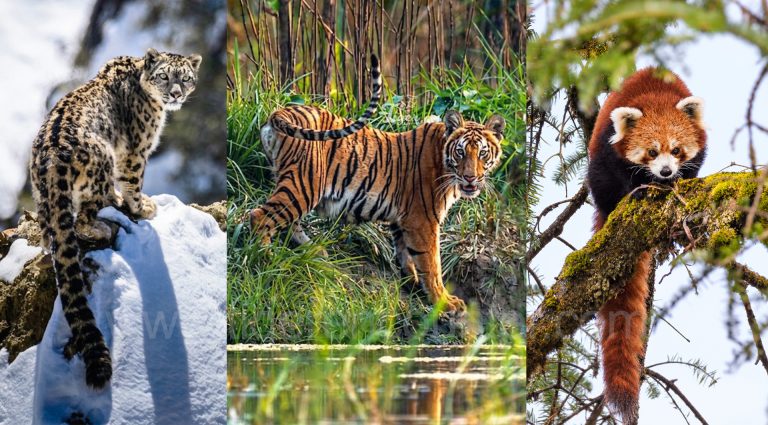
Nepal is far more than the home of Mount Everest. From the subtropical jungles of the Terai to the high valleys of the Himalayas, the country offers an extraordinary range of landscapes and wildlife within a relatively small geographic area. For filmmakers, this makes wildlife documentary filming in Nepal an opportunity to capture Bengal tigers, one-horned rhinoceroses, Asian elephants, red pandas, snow leopards, wild birds and many other species in their natural habitats.
Nepal is home to 185 mammal species and highlights the Terai as habitat for Bengal tigers, Asian elephants and one-horned rhinoceroses, while the Himalayan region provides habitat for elusive species such as snow leopards and red pandas.
Why Film a Wildlife Documentary in Nepal?
Nepal offers remarkable ecological diversity over short distances. A production can move from lowland grasslands and Sal forests to mid-hill forests and eventually to high Himalayan valleys.
This diversity allows filmmakers to develop documentaries around:
- Bengal tiger conservation
- One-horned rhinoceros and elephant conservation
- Red panda ecology
- Snow leopard research and conservation
- Himalayan birdlife
- Wetland and river ecosystems
- Community-based conservation
- Human-wildlife coexistence
- Protected-area management
- Traditional lifestyles and nature conservation
The country’s official filming portal also identifies Bardia, Langtang, Shuklaphanta and Sauraha among filming destinations, alongside numerous Himalayan and hill locations.
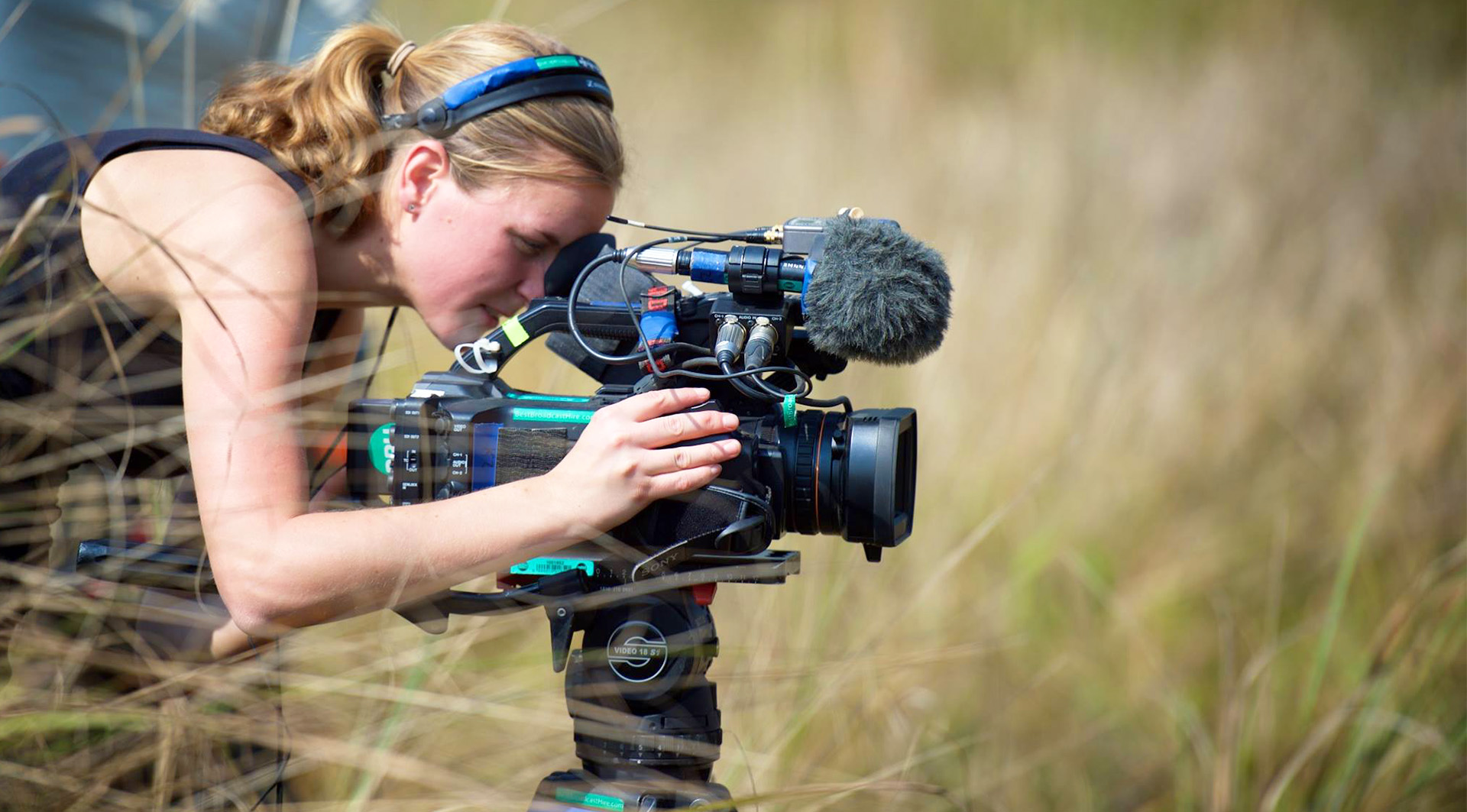
Best Wildlife Filming Locations in Nepal
1. Bardia National Park – Bengal Tigers and Terai Wildlife
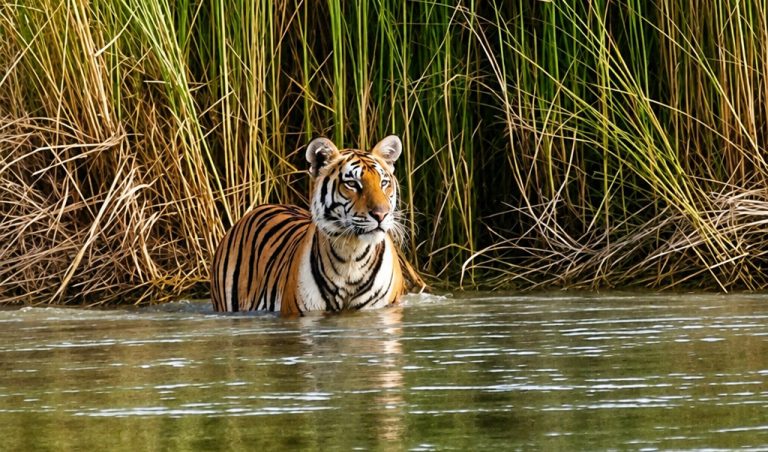
Bardia National Park is one of Nepal’s most exciting destinations for wildlife documentary production. Its extensive forests, grasslands, rivers, and wetlands provide excellent settings for filming large mammals and birds.
A production in Bardia can potentially focus on:
- Bengal tigers
- One-horned rhinoceroses
- Asian elephants
- Leopards
- Spotted deer
- Wild boar
- Marsh crocodiles
- Gangetic dolphins
- Great hornbills
- Raptors and waterbirds
Bardia is particularly attractive for filmmakers who want a story centered on wild tigers and the conservation challenges of the Terai landscape.
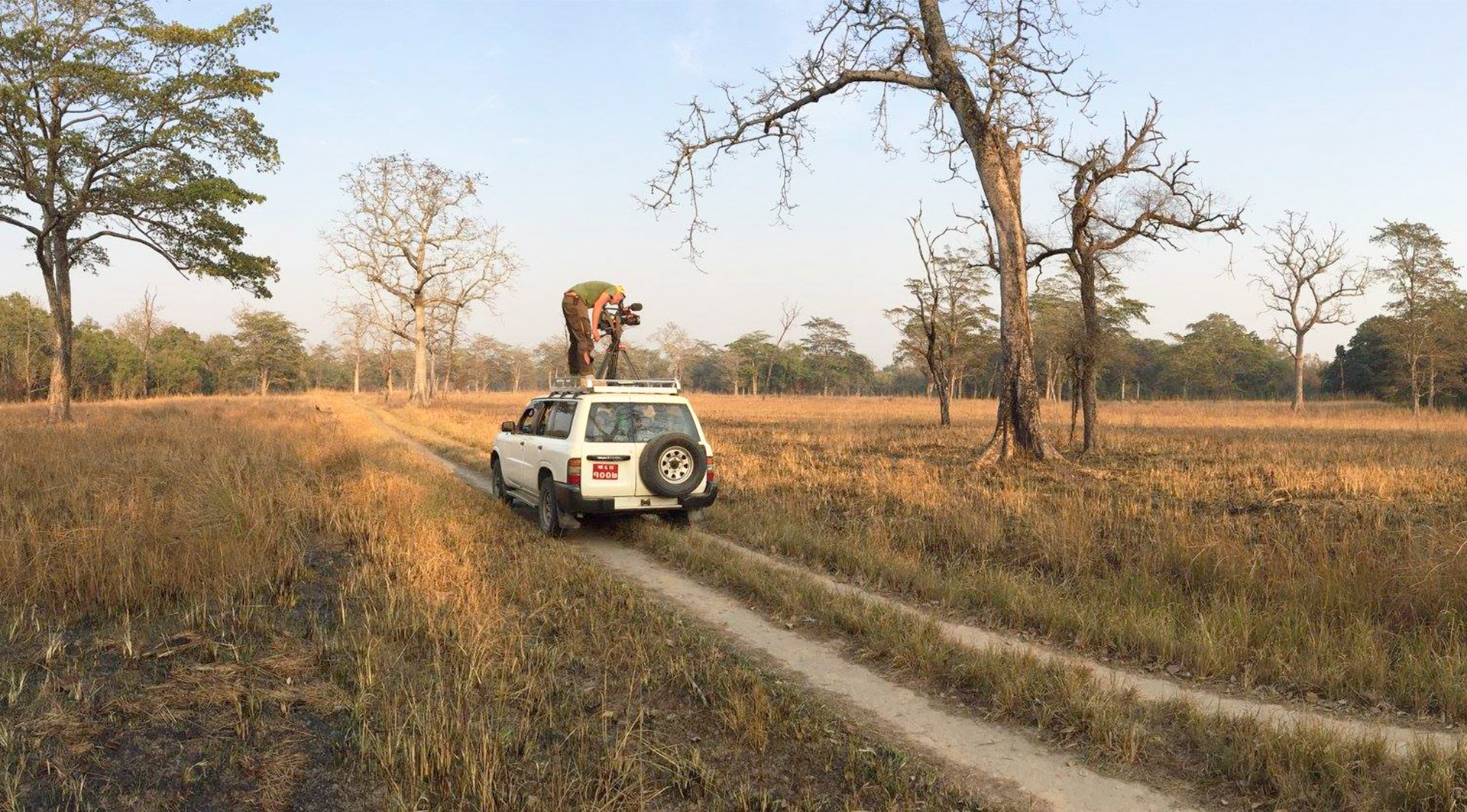
For serious wildlife filming, several days in the field are recommended. Wildlife does not follow a production schedule, so patience, experienced trackers, and flexible shooting days are essential.
2. Chitwan National Park – Rhinos, Tigers and Jungle Ecosystems
Chitwan is one of Nepal’s best-known wildlife destinations and offers a combination of forests, grasslands, rivers and wetlands.
Documentary subjects can include:
- Greater one-horned rhinoceros
- Bengal tiger
- Sloth bear
- Wild elephant
- Crocodiles
- Deer
- Gharial
- Diverse birdlife
Chitwan can also provide opportunities to combine wildlife stories with Tharu culture, conservation and community-based tourism.
3. Shuklaphanta – Grasslands and Rare Wildlife
In far-western Nepal, Shuklaphanta provides a very different filming environment. Its extensive grasslands and wetlands are particularly interesting for filmmakers looking for landscapes and species that are less commonly represented in mainstream Nepal wildlife productions.
The park is also associated with swamp deer and a diverse range of birds and mammals.
4. Langtang – Red Panda and Himalayan Wildlife
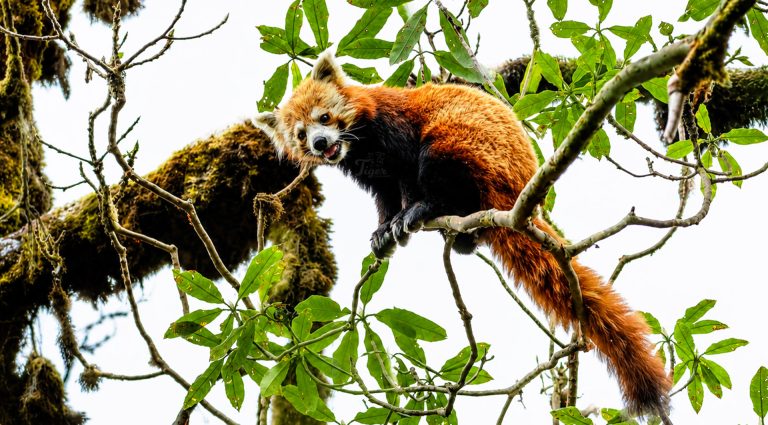
For filmmakers interested in red panda documentary production, Langtang National Park is one of the most important locations to consider. The forests provide habitat for red pandas along with Himalayan birds and other mountain wildlife.
Red panda filming requires a very different approach from tiger filming. The animals are elusive, often difficult to locate, and highly dependent on suitable forest habitat. A specialist tracker and wildlife naturalist can significantly improve the chances of finding and documenting them.
5. Manang – Snow Leopard Documentary Filming
For a high-altitude wildlife story, Manang and the Annapurna region offer opportunities to document snow leopards and the Himalayan ecosystem.
Snow leopard filming requires:
- Long field days
- Experienced local trackers
- High-quality telephoto lenses
- Patience and observation
- Appropriate acclimatization
- Flexible schedules
The landscape itself can become an important part of the documentary, showing the relationship between snow leopards, prey species, local communities and the high Himalayan environment.
Wildlife Filming Permits in Nepal
Filming inside Nepal’s protected areas requires planning and appropriate permissions.
The Film Development Board states that documentary productions should prepare documents including a synopsis, filming itinerary, crew details, equipment list and authorization from the foreign filmmaker to the local coordinator. Depending on the location, additional consent from relevant government agencies may be required.
For national parks and wildlife conservation areas, permissions involve the Department of National Parks and Wildlife Conservation (DNPWC). In contrast, conservation areas managed under the National Trust for Nature Conservation may require NTNC approval.
Typical documents include:
- Documentary synopsis or treatment
- Shooting schedule
- Location list
- Crew list
- Passport details
- Equipment list
- Authorization letter
- Local coordinator details
- Other supporting documents requested by the authorities
Important: Permit requirements and fees can vary by location, production type, and equipment. Filmmakers should confirm current requirements with the relevant authorities before finalizing their production schedule.
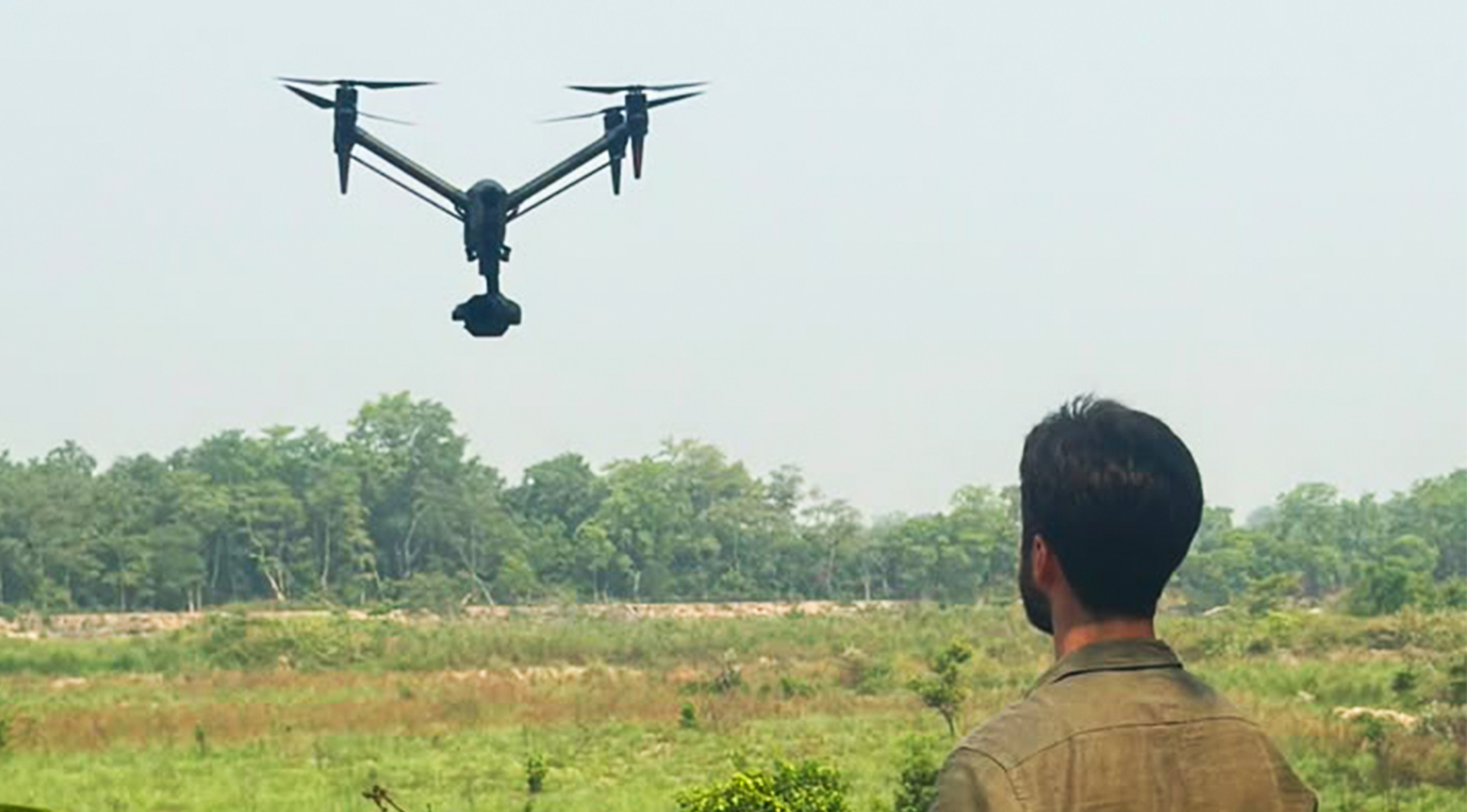
Drone Filming in Nepal
Drone filming requires additional permissions and should be planned well before the production arrives in Nepal.
The Film Development Board notes that aerial filming can involve additional permissions, including requirements involving aviation and government authorities depending on the location and circumstances.
For wildlife documentaries, drone use must also be carefully managed to avoid disturbing animals. Aerial filming should never take priority over wildlife welfare.
Best Time for Wildlife Documentary Filming
The ideal season depends on the species and story.
Spring – March to May
Excellent for many Terai wildlife productions, particularly when vegetation is relatively open, and animals may be easier to observe.
Autumn – October to November
Generally offers good weather and visibility and can be suitable for both wildlife and Himalayan productions.
Winter – December to February
Can provide good conditions for some Terai wildlife and bird filming, while high-altitude conditions become significantly colder.
High-altitude snow leopard filming
Winter and early spring can provide opportunities for specialized snow leopard expeditions, although conditions are demanding and schedules should remain flexible.
Responsible Wildlife Filming
A successful documentary should not only produce beautiful footage—it should also respect wildlife.
Professional crews should:
- Maintain safe distances
- Avoid chasing animals
- Never bait wildlife unless specifically authorized under an approved research protocol
- Minimize noise
- Avoid blocking animal movement
- Follow park regulations
- Respect breeding and nesting areas
- Avoid damaging vegetation
- Follow ranger instructions
- Leave no waste behind
Nepal’s protected-area legislation provides a framework for conservation and management of national parks and wildlife habitats.
The best wildlife footage is obtained by observing natural behavior rather than interfering with it.
Wildlife Documentary Filming with Local Experts
One of the biggest advantages of working with an experienced Nepal-based production team is local knowledge.
Wildlife filming is not simply about arriving at a national park with cameras. Experienced trackers and naturalists understand animal movement, habitat, tracks, alarm calls, and seasonal behavior.
A local wildlife production team can assist with:
- Wildlife tracking
- Location scouting
- Hide and observation-point selection
- Local transportation
- Accommodation
- Park coordination
- Ranger coordination
- Permit assistance
- Local crew recruitment
- Translation and interpretation
- Cultural access
- Field logistics
- Safety coordination
For productions involving rare species, local expertise can make the difference between spending days searching unsuccessfully and getting the opportunity to capture meaningful footage.
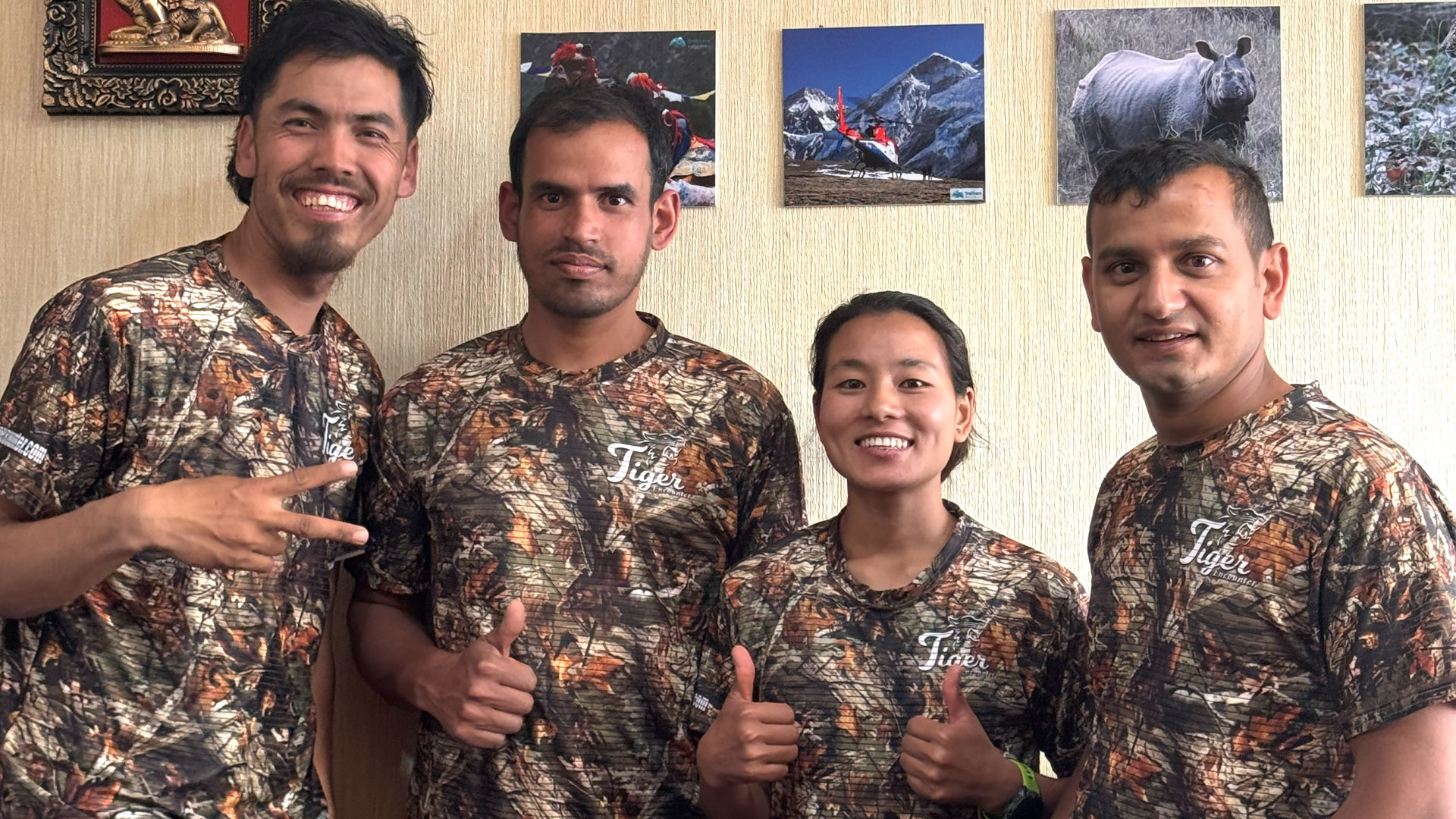
Wildlife Documentary Filming with Tiger Encounter
For international filmmakers, Tiger Encounter can provide local wildlife expertise and field support for documentary and photography productions in Nepal.
With experienced wildlife guides, naturalists, trackers, and local production support, we have the team that can assist productions seeking to document Bengal tigers, rhinos, elephants, red pandas, snow leopards, and Himalayan wildlife.
The focus is not simply on taking filmmakers into the jungle, but on creating a practical field environment where crews can spend sufficient time observing wildlife and developing their stories.
With more than 15 years of experience supporting filmmakers, photographers and international productions in Nepal, our experienced local team can also assist with location scouting, wildlife tracking, logistics and coordination.