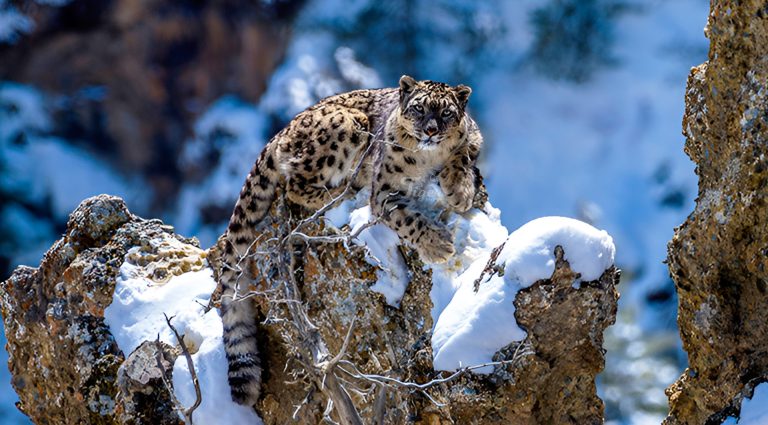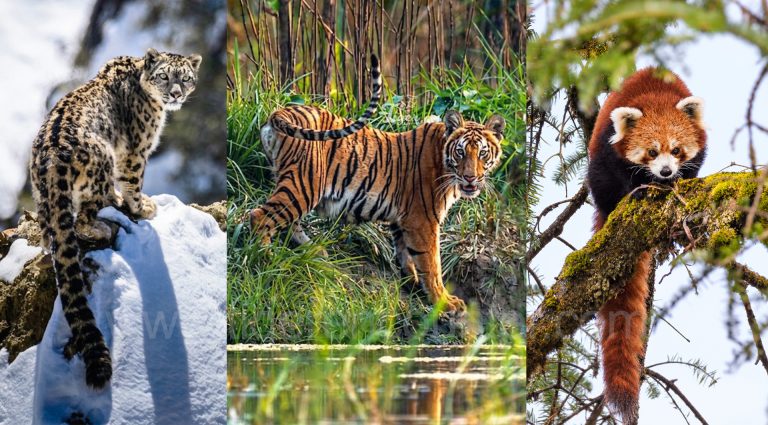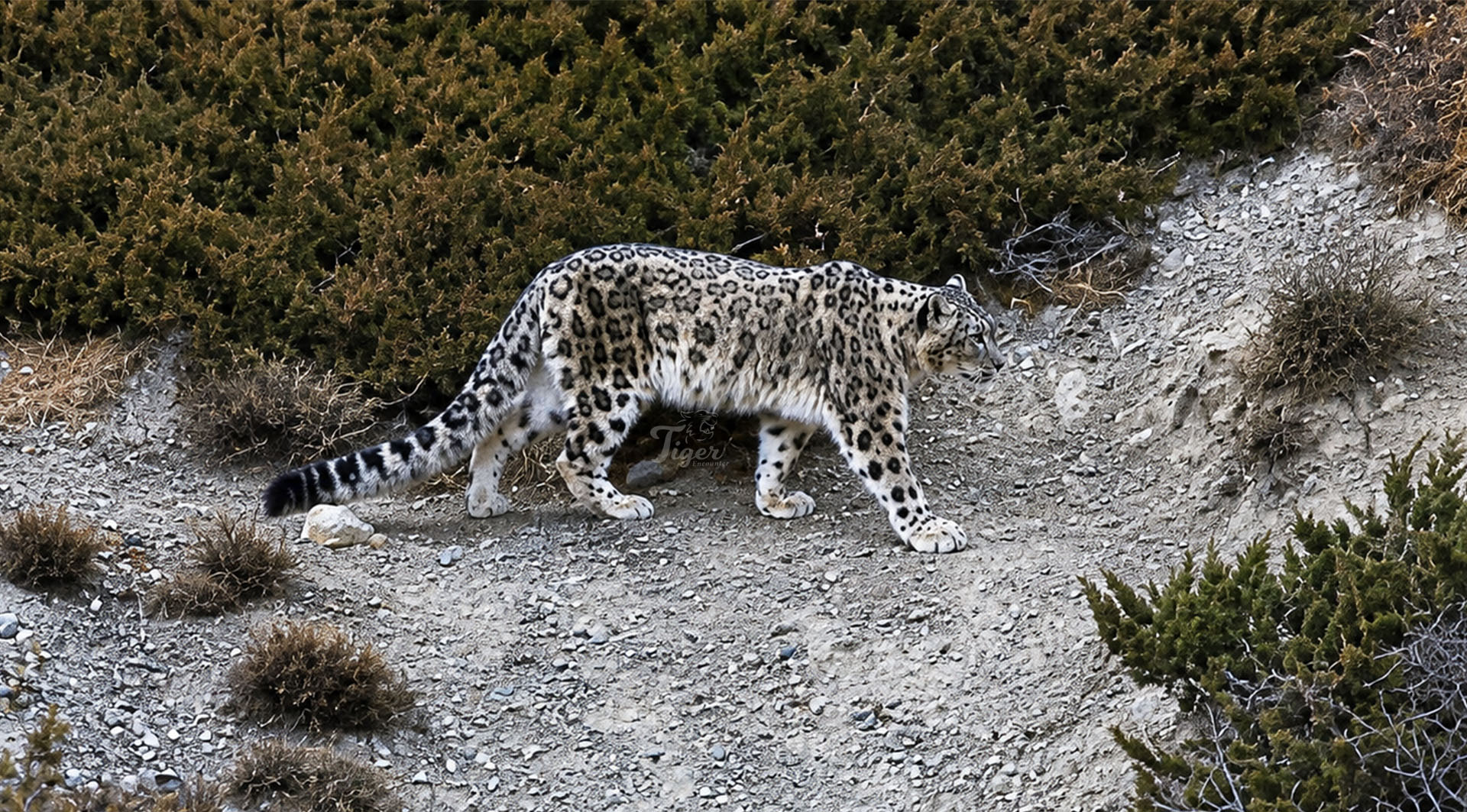
Discover the best places and times to see snow leopards in Nepal, and learn where and when to see these elusive big cats for the best chance of an unforgettable Himalayan wildlife encounter.
Best Places to See Snow Leopards in Nepal
Snow leopards inhabit several Himalayan areas of Nepal. Nepal’s first nationwide survey estimated that the country has about 397 snow leopards. Some of the areas with more snow leopards and frequent sightings are:
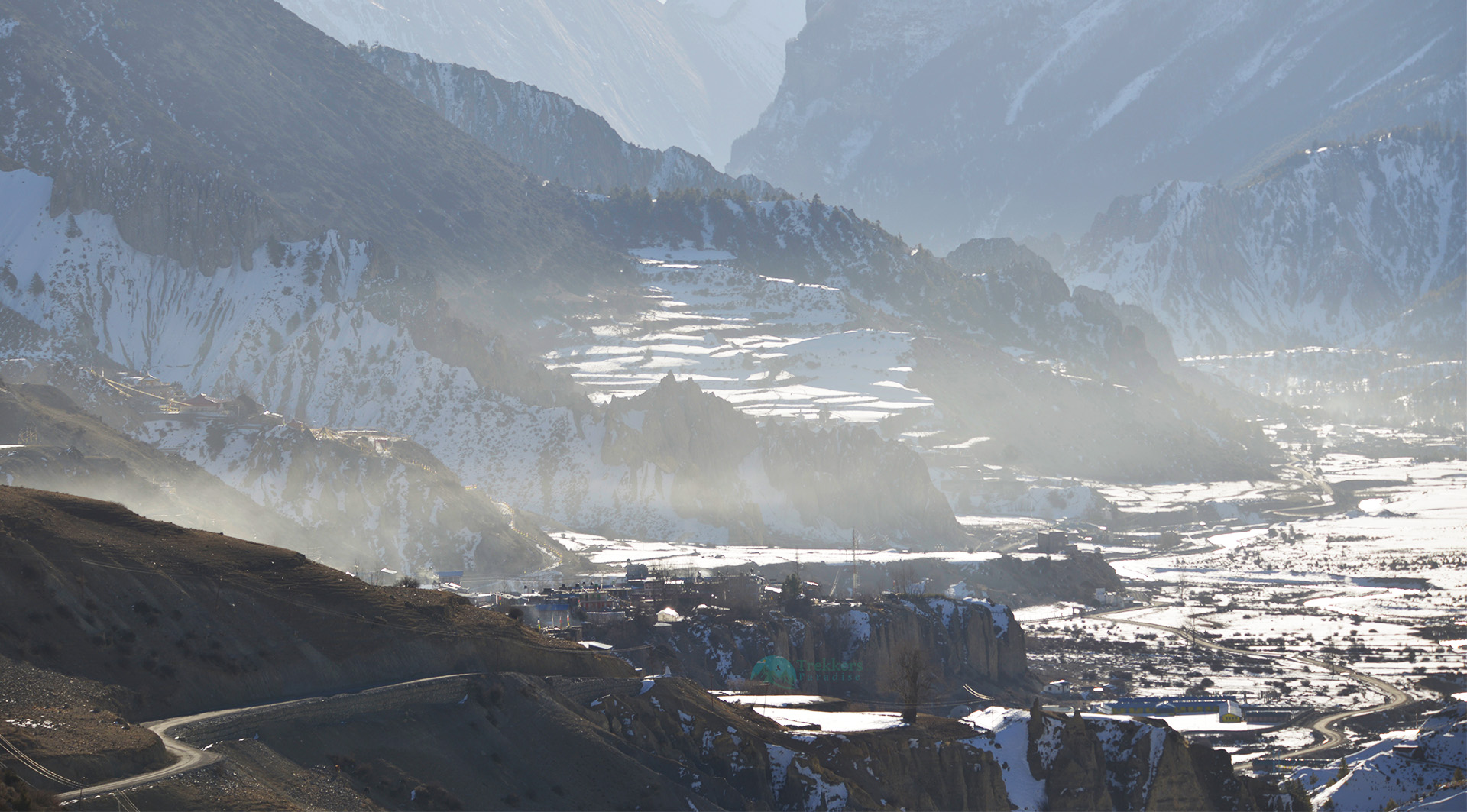
- Manang – Annapurna Conservation Area
Manang is Nepal’s most established destination for dedicated snow leopard tracking and photography expeditions. Manang is the nearest snow leopard tracking destination and is reachable within 2 days’ drive from Kathmandu.
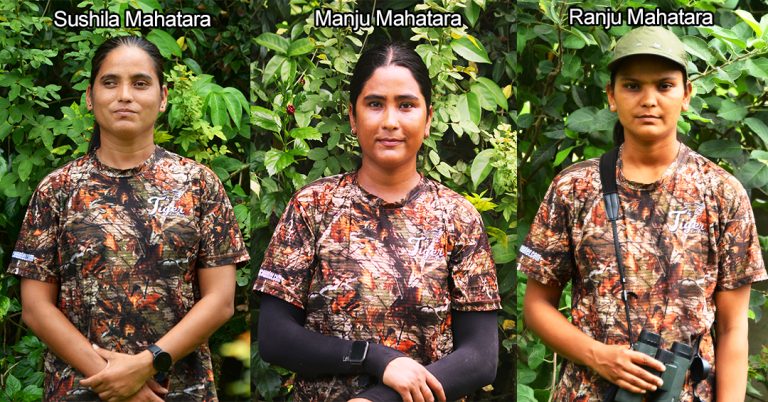
Experienced local snow leopard expert and wildlife photographer Tashi R. Ghale leads all the snow leopard trips for Tiger Encounter. He uses knowledge of snow leopard behavior, prey movement, tracks, and terrain to locate potential hotspots.
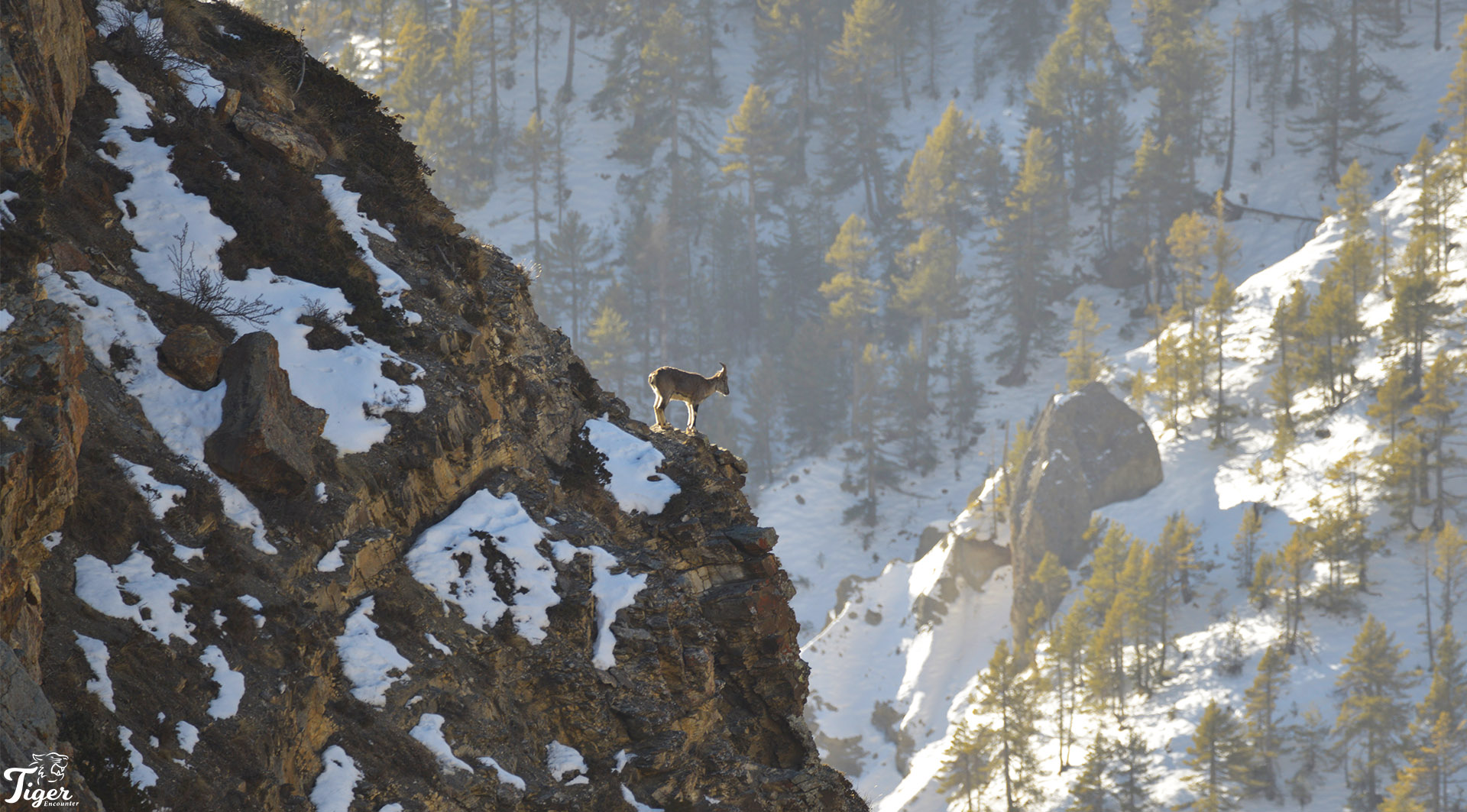
Photographers can encounter dramatic Himalayan scenery while searching for wildlife in Manang, including snow leopards, Himalayan blue sheep, Himalayan tahr, Red foxes, Golden eagles, and Himalayan griffons
Winter also creates a dramatic photographic environment, with snow-covered ridges, alpine landscapes, and the Annapurna Himalayas forming the backdrop.
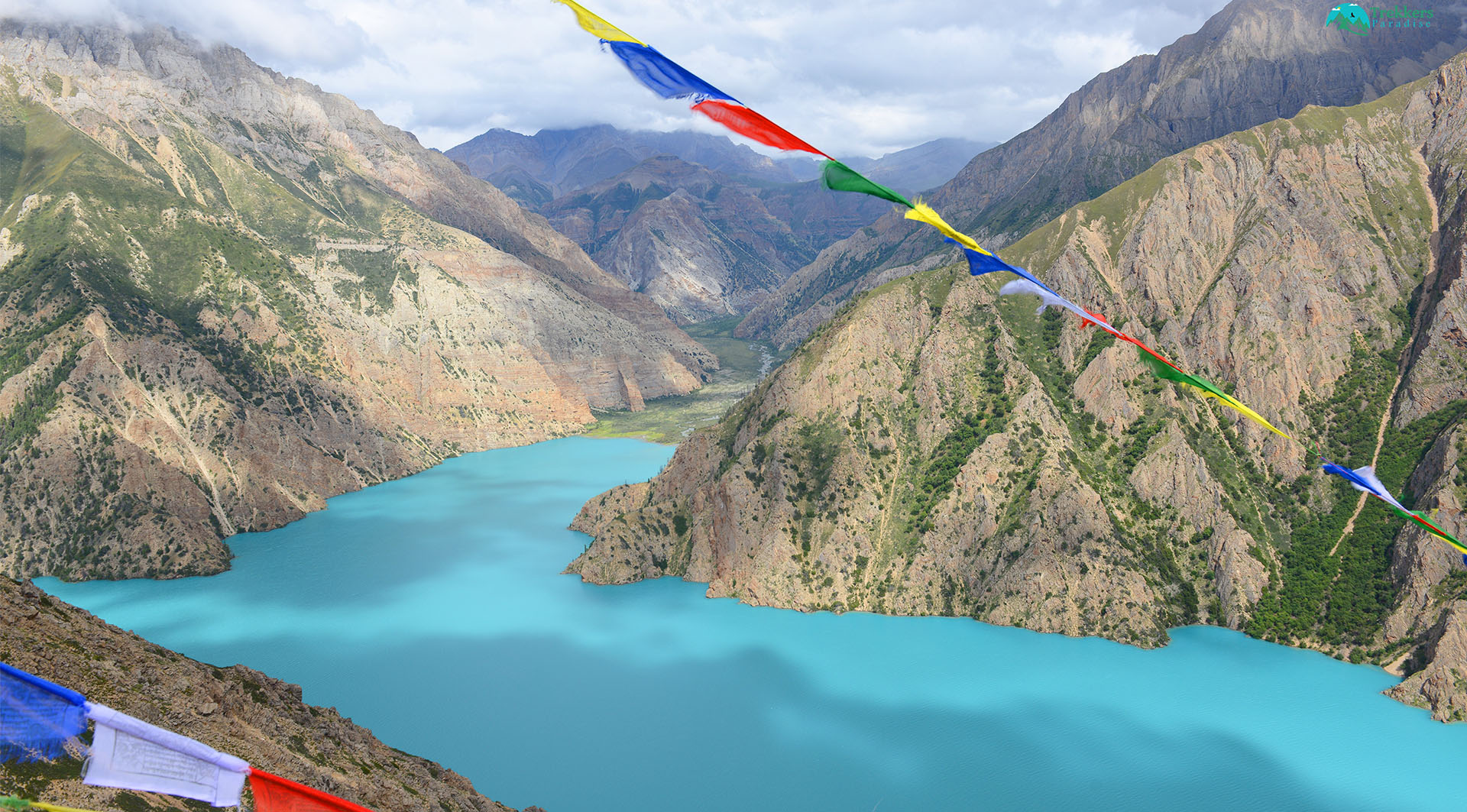
- Upper Dolpo – Shey Phoksundo National Park
Upper Dolpo is another important snow leopard habitat in western Nepal. The landscape is remote, rugged, and less accessible than Manang, making it particularly suitable for travelers looking for a more demanding wilderness expedition. Autumn can offer favorable trekking conditions, although snow leopard tracking depends heavily on wildlife and weather conditions.
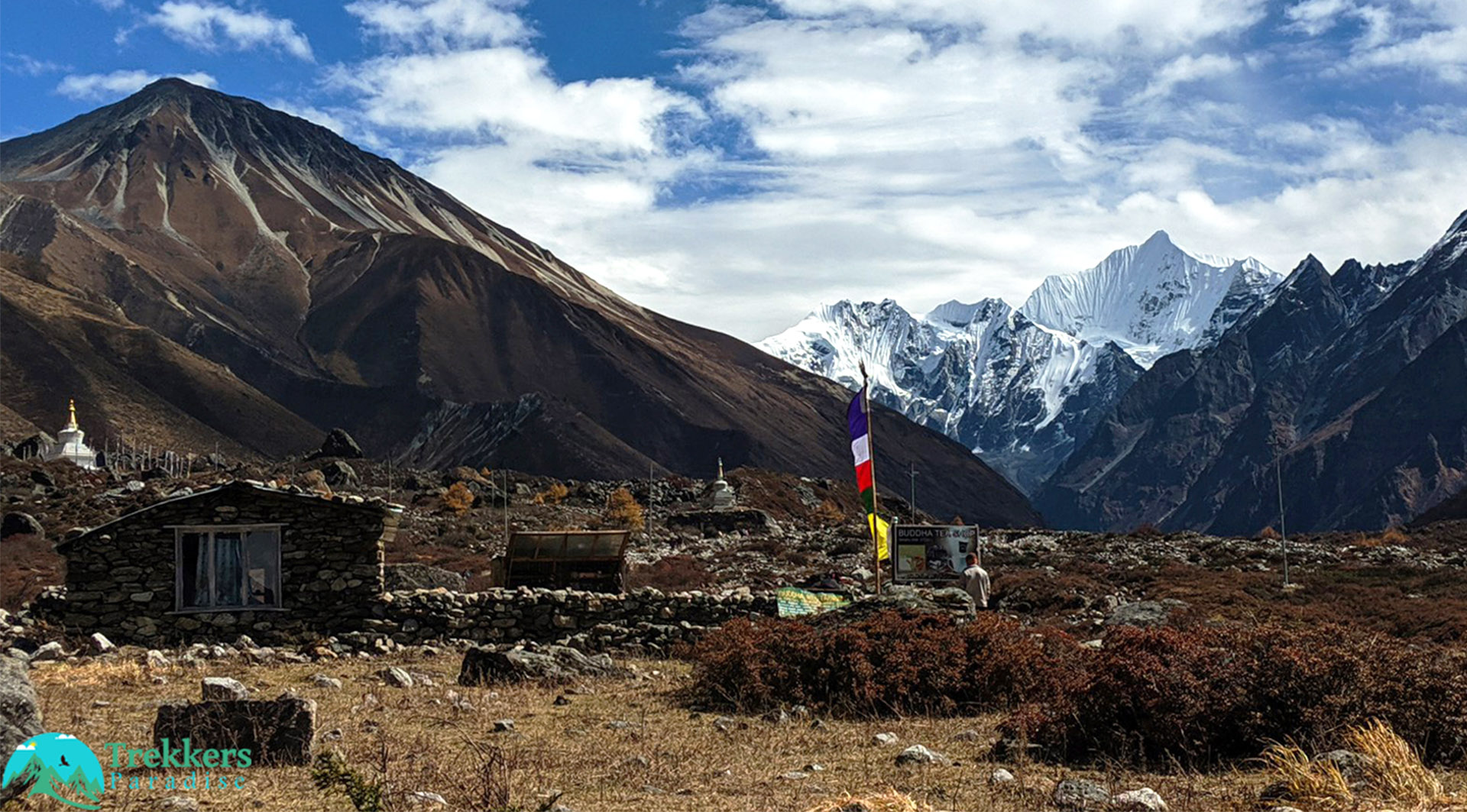
- Other Snow Leopard Habitats
Snow leopards are also found in several other protected areas of Nepal, including Kanchenjunga Conservation Area, Langtang National Park, and Sagarmatha National Park. However, dedicated tracking can be more challenging because of terrain, accessibility, and the availability of experienced local trackers.
Best Time to See a Snow Leopard in Nepal
The primary snow leopard tracking season in Manang is January to early March, particularly February.
Winter creates favorable ecological conditions for tracking because snow pushes Himalayan blue sheep toward lower elevations, often around 3,500–4,000 meters. Snow leopards follow their prey, bringing them closer to trekking corridors, ridgelines, and known observation areas.
Late January and February also coincide with the snow leopard’s mating period. Increased movement, territorial behavior, and vocalization can provide additional opportunities for experienced trackers to locate these elusive cats.
The best daily periods for searching are generally early morning and late afternoon, when snow leopards are more active. During midday, they may remain concealed or rest among rocky terrain.
January to Early March
The principal winter tracking window in Manang is January to early March, with February and early March generally considered the prime period for dedicated expeditions.
Tiger Encounter’s field experience identifies winter as particularly productive because seasonal movements of Himalayan blue sheep can bring prey—and consequently snow leopards—into more accessible elevations.
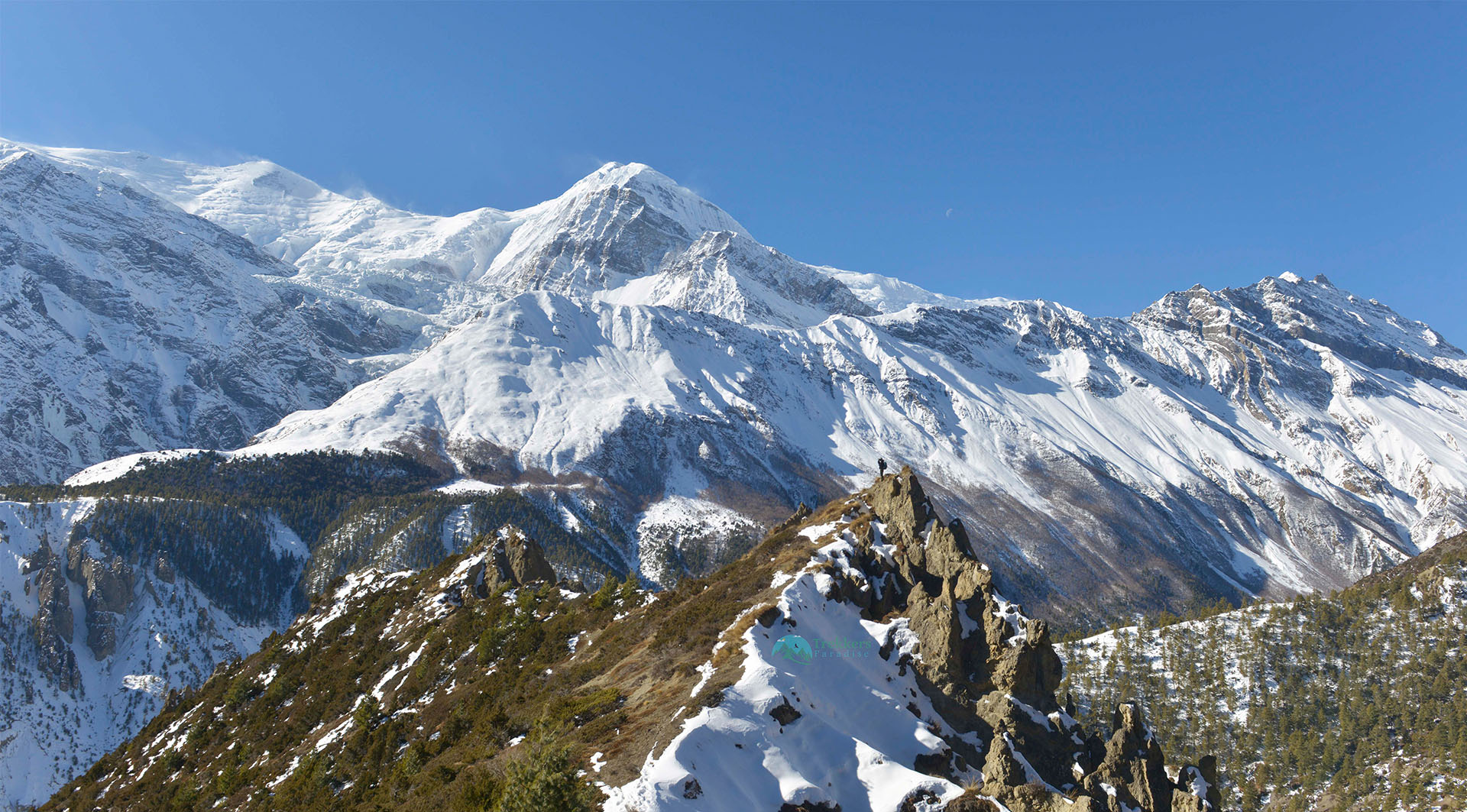
Why Is Winter the Best Season?
Snow leopard tracking depends heavily on prey movements.
In summer, Himalayan blue sheep can move to elevations above 5,000 meters, making them more difficult to observe and track. During winter, snowfall and changing conditions push blue sheep toward lower elevations, often around 3,500–4,000 meters. Snow leopards follow their prey.
This ecological relationship is one of the main reasons winter provides a better opportunity for dedicated snow leopard tracking in Manang.
Why Is February Special?
February is particularly interesting for snow leopard tracking because it overlaps with the late January–February mating period. This is the prime month when most of our trips have been successful.
During this period, increased movement and vocal activity can provide additional clues for experienced trackers.
Winter snow can also make tracks and other signs easier to identify.
For this reason, February is the peak month for a snow leopard tracking expedition in Nepal.
How Many Days Do You Need to See a Snow Leopard in Nepal?
A common mistake is planning only one or two days to search for a snow leopard.
Snow leopard tracking is unpredictable.
Weather, snowfall, prey movements, animal behavior, and visibility can all affect the outcome.
For this reason, a dedicated expedition should include several full days of tracking.
Tiger Encounter’s 12-day snow leopard encounter is designed for dedicated wildlife tracking, while the 14-day photography expedition in Manang provides additional time for patient observation and photography. Both itineraries allow sufficient time for acclimatization, exploration, and tracking in prime snow leopard habitat. More time in the field means more opportunities to:
- Search different ridges
- Follow fresh tracks
- Monitor blue sheep
- Respond to new sightings
- Wait at promising observation points
- Adapt to weather and wildlife conditions