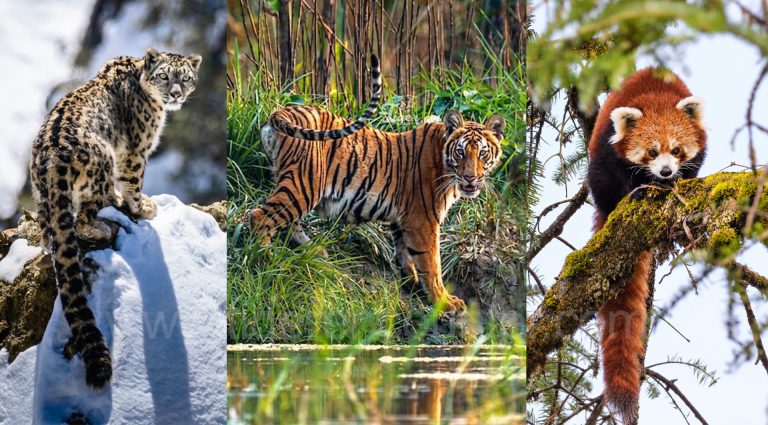
429 Wild Tigers in Nepal: A Major Milestone for Tiger Conservation marks an encouraging new chapter in Nepal’s wildlife conservation journey. The latest national tiger census estimates that Nepal is now home to 429 wild Bengal tigers, reflecting significant progress in protecting this iconic endangered species.
Nepal has recorded a significant rise in its wild tiger population. The latest national census estimates that 429 Bengal tigers now live across the country. Authorities announced the new figure on Global Tiger Day, July 29, 2026. This milestone highlights Nepal’s growing success in protecting one of the world’s most iconic endangered species.
The latest census recorded 74 more tigers than the 355 counted in 2022. Overall, tiger numbers increased across most of Nepal’s major tiger habitats. However, Bardia National Park recorded a decline.
Parsa National Park saw the biggest increase. Its tiger population grew from 41 to 71. Similarly, Banke National Park recorded a rise from 25 to 51 tigers. Meanwhile, Shuklaphanta National Park increased its population from 36 to 50.
However, Bardia National Park experienced a decline. The estimated number of tigers fell from 125 to 112. Despite this decrease, Bardia remains a key tiger conservation area. It also holds Nepal’s second-largest tiger population, after Chitwan.
Meanwhile, Chitwan National Park and its surrounding forests recorded 145 tigers, up from 128 in the previous census. Over the years, Chitwan has experienced significant changes in its tiger population. Around 2000, the area supported an estimated 60 tigers. The number then rose to 91 in 2009 and 120 in 2013. However, it later declined to 93 in 2018.
To conduct the latest national survey, conservation teams used camera traps between December 31 and April 23. This method helped authorities estimate tiger numbers accurately. It also allowed them to monitor tiger distribution across Nepal’s protected areas.
Overall, the rise to 429 wild tigers marks an encouraging milestone for Nepal’s conservation efforts. At the same time, the achievement highlights the need to protect natural habitats and strengthen anti-poaching measures. In addition, continued cooperation with local communities will play a vital role in securing a safe future for Nepal’s wild tigers.
Best Places to See Tigers in Nepal
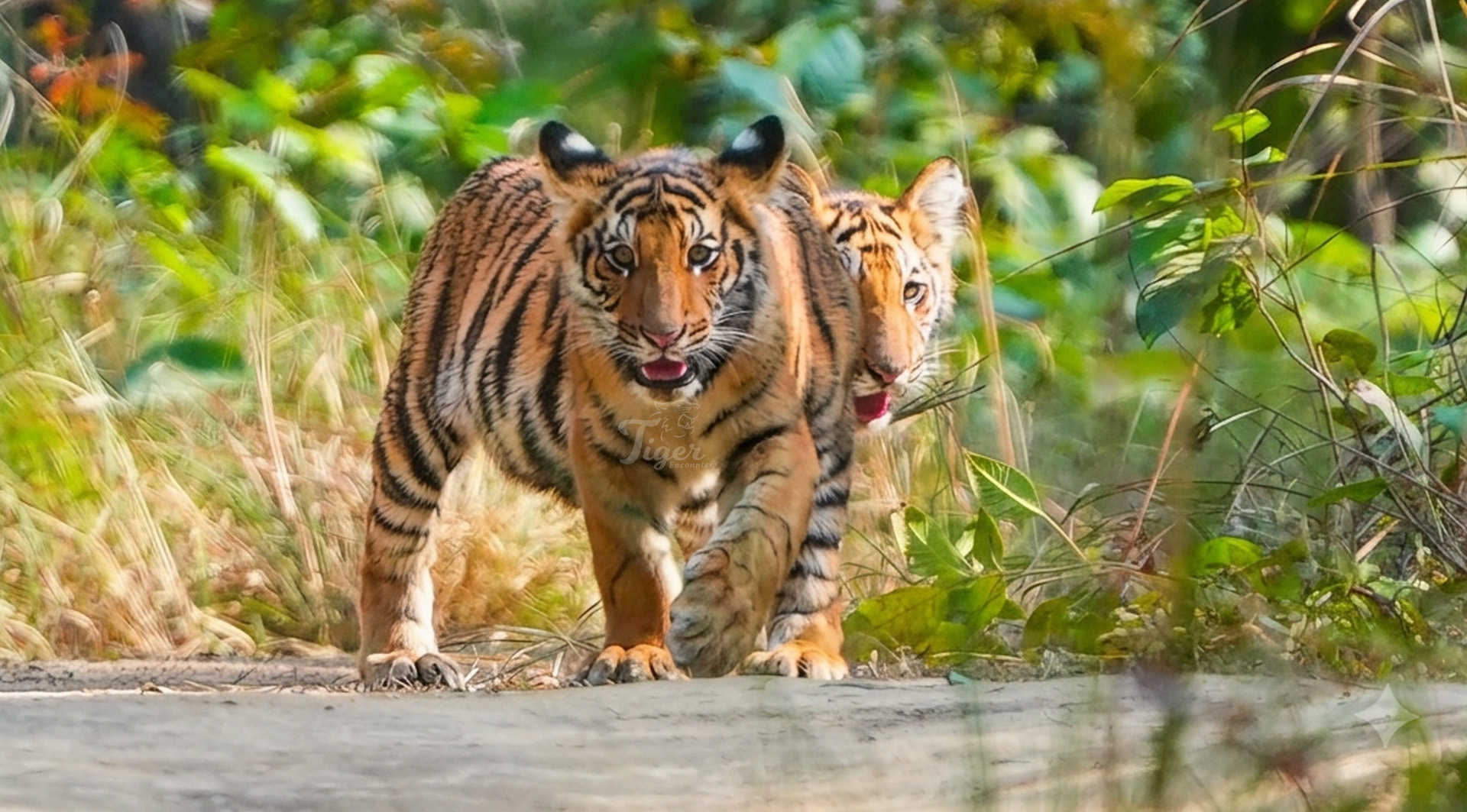
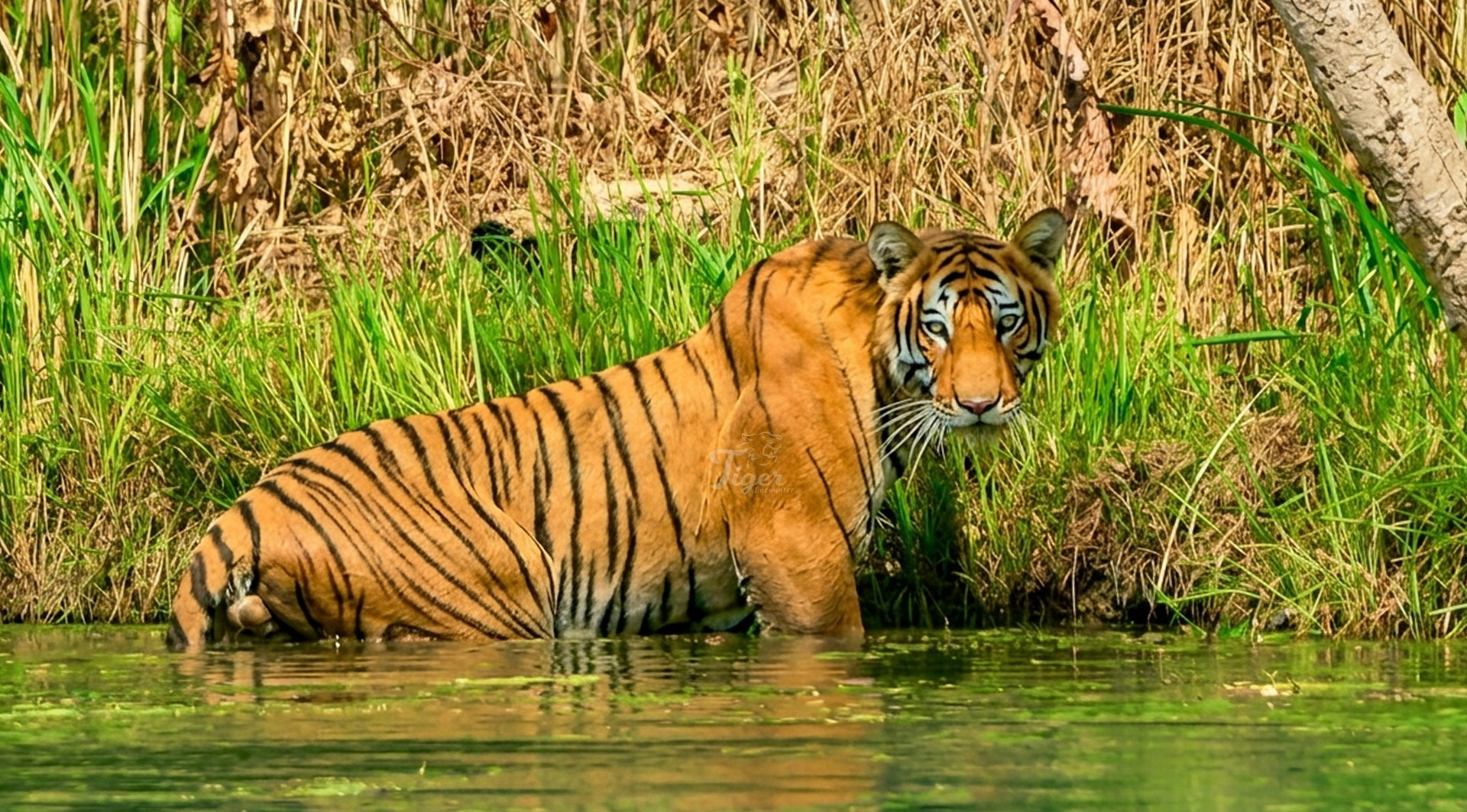
Nepal offers some of the best opportunities to see wild Bengal tigers in their natural habitat. The country’s major tiger destinations include Bardia, Chitwan, Parsa, Banke, and Shuklaphanta National Parks. Each park offers a unique wildlife experience.
1. Bardia National Park – Best for Tiger Tracking
Bardia National Park is one of the best places in Nepal for a dedicated tiger safari and tiger tracking experience.
Located in western Nepal, Bardia offers a remote and authentic wilderness experience. Compared with the more popular Chitwan region, the park receives fewer visitors. Its dense forests, grasslands, rivers, and abundant prey create an ideal habitat for wild tigers.
For wildlife photographers and serious tiger enthusiasts, Bardia tiger tracking can be especially rewarding. Experienced naturalists and local wildlife guides use their knowledge of animal movements, pugmarks, alarm calls, prey behavior, and habitats to search for tigers.
The 2022 census recorded 125 tigers in Bardia National Park and its adjoining forests. According to the latest 2026 census information provided, the number has fallen to 112. Therefore, continued monitoring and strong conservation efforts remain essential.
2. Chitwan National Park – A Famous Tiger Safari Destination
Chitwan National Park is Nepal’s most famous wildlife destination. It is also one of the country’s best-known places for a jungle safari and tiger safari.
The park provides habitat for Bengal tigers, one-horned rhinos, wild elephants, leopards, sloth bears, gharials, crocodiles, deer, wild boars, and hundreds of bird species.
Moreover, Chitwan is a popular choice for first-time visitors to Nepal. Travelers can easily combine a Chitwan jungle safari with trips to Kathmandu, Pokhara, and other popular destinations.
The 2022 census recorded 128 tigers in Chitwan National Park and surrounding forests. However, the latest 2026 figure provided shows an increase to 145 tigers. As a result, Chitwan now supports the largest tiger population in Nepal.
3. Parsa National Park – A Growing Tiger Habitat
Parsa National Park has become an increasingly important destination for tiger conservation in Nepal.
The park has experienced impressive growth in its tiger population. The 2022 census recorded 41 tigers, while the latest 2026 figure provided shows 71 tigers.
Furthermore, Parsa forms part of the larger Chitwan-Parsa landscape. Connected forests allow tigers and other wildlife to move between habitats. Therefore, protecting these wildlife corridors plays an important role in supporting long-term tiger conservation.
4. Banke National Park – An Emerging Tiger Destination
Banke National Park is another important tiger habitat in western Nepal.
The park forms part of the Bardia-Banke tiger conservation landscape. In recent years, it has also recorded significant growth in tiger numbers.
The 2022 census counted 25 tigers in the area. According to the latest 2026 figure provided, the population has increased to 51 tigers.
Improved habitat protection, greater prey availability, and stronger conservation efforts have supported tiger recovery in western Nepal. In addition, connected forests allow tigers to move across larger landscapes.
5. Shuklaphanta National Park – A Wild and Less-Explored Destination
Located in far-western Nepal, Shuklaphanta National Park offers a quieter and more off-the-beaten-path wildlife experience.
The park is famous for its vast grasslands and large population of swamp deer. These herbivores provide an important prey base for tigers and other predators.
The 2022 census recorded 36 tigers in Shuklaphanta. The latest 2026 figure provided shows an increase to 50 tigers.
For travelers seeking a less crowded wildlife destination, Shuklaphanta offers an excellent opportunity to explore Nepal’s remote Terai wilderness and experience its rich biodiversity.
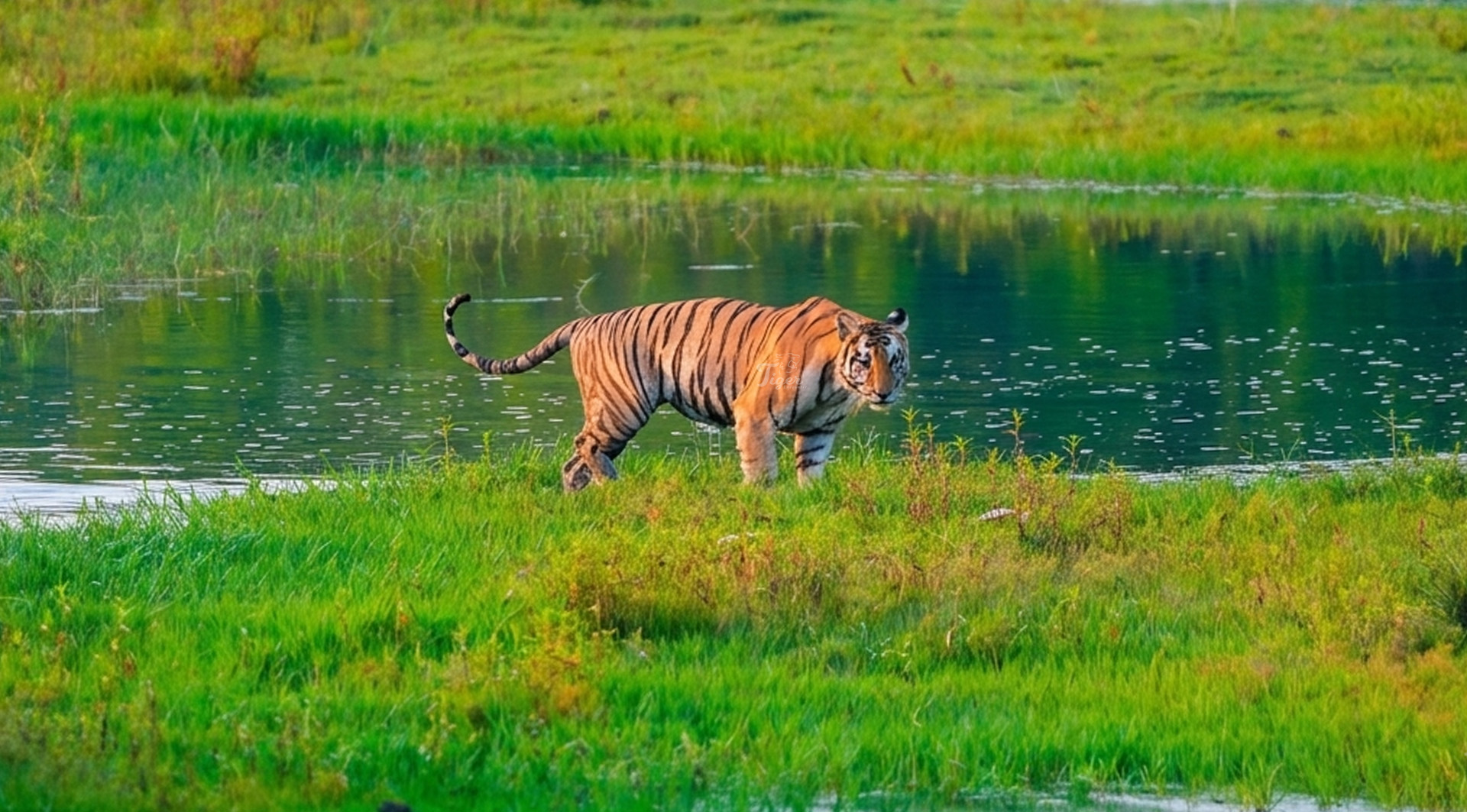
Which Is the Best Place to See Tigers in Nepal?
If your main goal is tiger tracking and wildlife photography, Bardia National Park is an excellent choice. For a broader wildlife experience, easier access, and a wide range of species, Chitwan National Park is a popular option.
Meanwhile, Parsa, Banke, and Shuklaphanta National Parks offer exciting opportunities to explore Nepal’s growing tiger habitats away from the country’s more established safari destinations.
The Future of Tigers in Nepal
The increase in Nepal’s tiger population is a major conservation success, but the work is far from over.
The future of tigers in Nepal will depend on maintaining large and connected habitats, protecting prey species, reducing poaching, addressing human-tiger conflict, and ensuring that communities living alongside wildlife are part of the conservation process.
As tiger numbers increase, Nepal must focus on creating a balance between tiger conservation and human-wildlife coexistence.
The country’s five major tiger landscapes—Chitwan, Parsa, Banke, Bardia, and Shuklaphanta—will remain central to this effort.
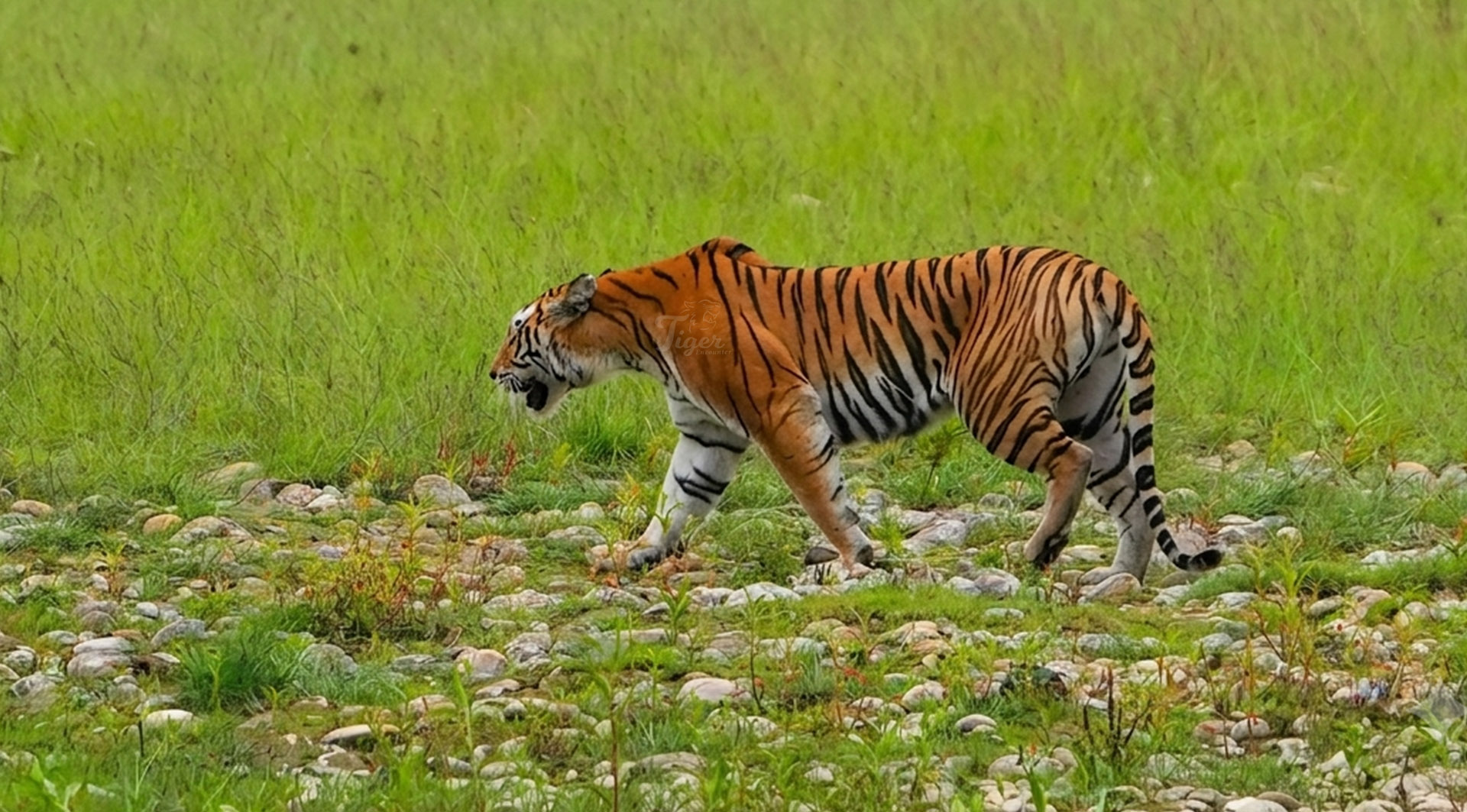
Experience the Wild Tigers of Nepal
For anyone dreaming of seeing a wild Bengal tiger in Nepal, the country’s Terai national parks offer an unforgettable wildlife experience.
Whether you choose a Bardia tiger safari, a Chitwan National Park jungle safari, or a specialized private tiger tracking and photography expedition, exploring Nepal’s tiger habitat offers the chance to experience one of Asia’s most magnificent predators in its natural environment.
With the country’s wild tiger population now estimated at 429, Nepal stands as an inspiring example of what long-term conservation can achieve.