Tiger Track Eco Lodge Wins Global Recognition: Architizer A+Awards 2026

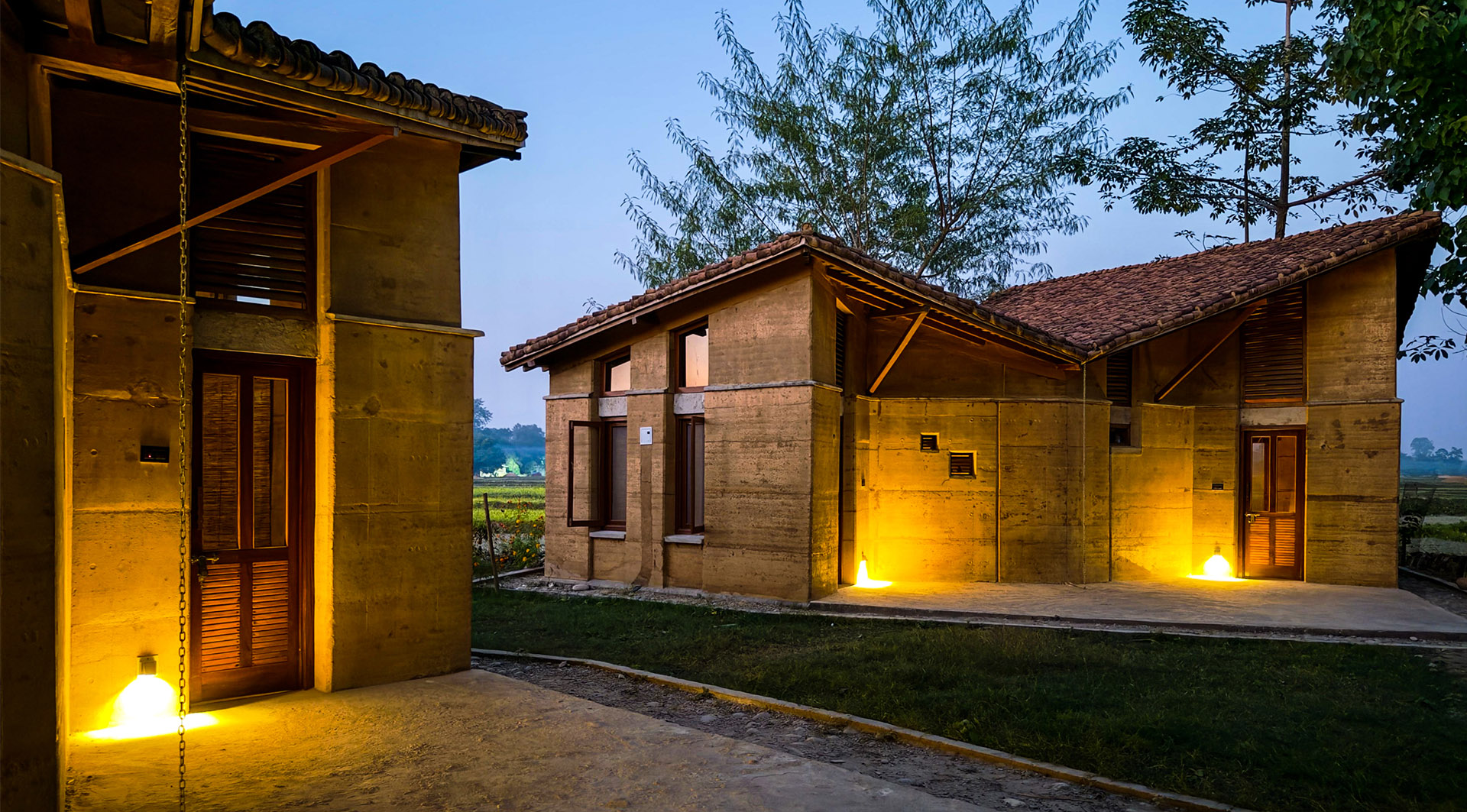
We are proud to share that Tiger Track Eco Lodge, the accommodation we use during our Bardiya wildlife safari tours, has won the 2026 Popular Choice Award in the Sustainable Hospitality Building category at the prestigious Architizer A+Awards.
Tiger Encounter Base Camp
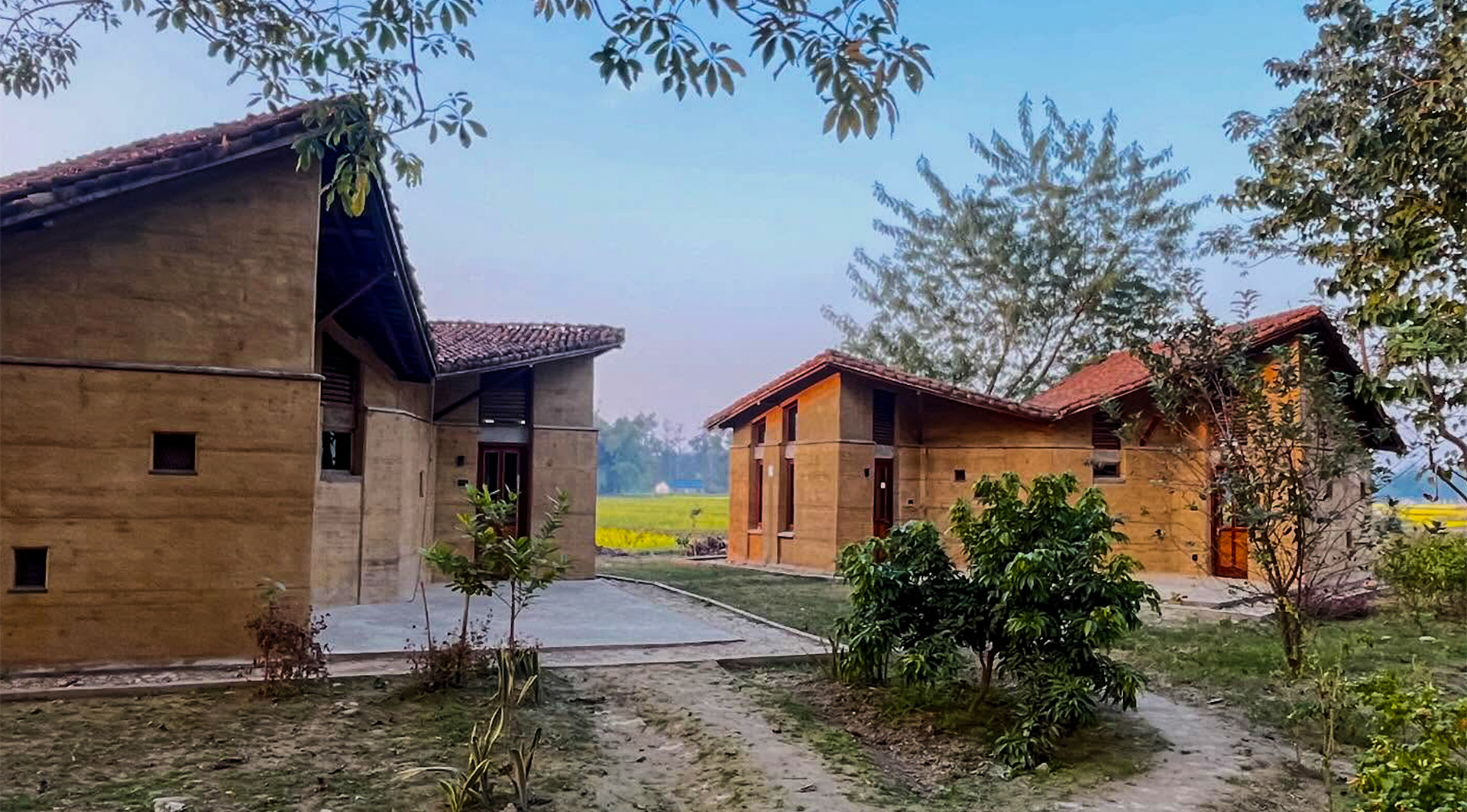
Tiger Track Ecolodge is the official base camp for our Tiger Encounter’s wildlife safaris in Bardia. It serves as the starting point for countless adventures into the wilderness of Bardiya National Park. Tiger Track Eco Lodge and Tiger Encounter unite as one team to drive sustainable tourism, protect wildlife, and empower local communities.
The Tiger Encounter team has been supporting and promoting the lodge’s mission since the very beginning to create a world-class eco-tourism destination in Nepal. Together, we are committed to delivering exceptional wildlife experiences while ensuring that tourism directly benefits conservation efforts and local communities.
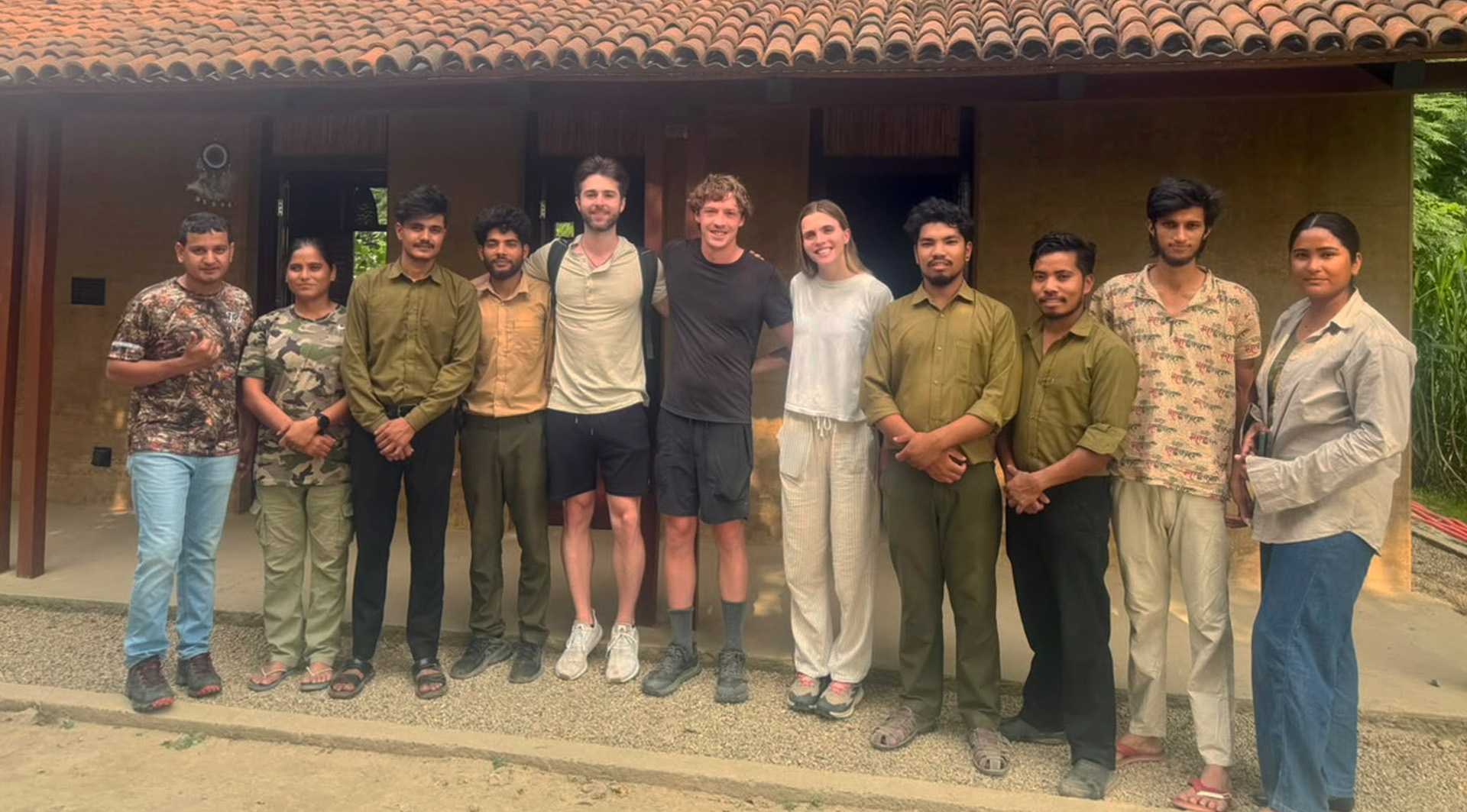
Located in Nepal’s lowland Terai near Bardia National Park, one of South Asia’s richest biodiversity hotspots, the lodge is a major attraction with expertise known for its conservation success story. Tiger Track Eco Lodge stands out as more than just a safari accommodation. Positioned within the Khata Corridor, it actively connects conservation and community resilience. The rammed-earth lodge channels tourism revenue into local initiatives, including a Single Women’s Wildlife Victim Fund. It also supports Community-Based Anti-Poaching Units that help manage human–wildlife conflict and promote conservation awareness.
Importantly, conservationist Hemanta Acharya, a longtime wildlife advocate and CBAPU leader, founded the project. His personal story reflects the realities of living alongside wildlife in Bardiya. Under his leadership, the lodge also serves as a coordination hub for community conservation work and youth engagement programs.

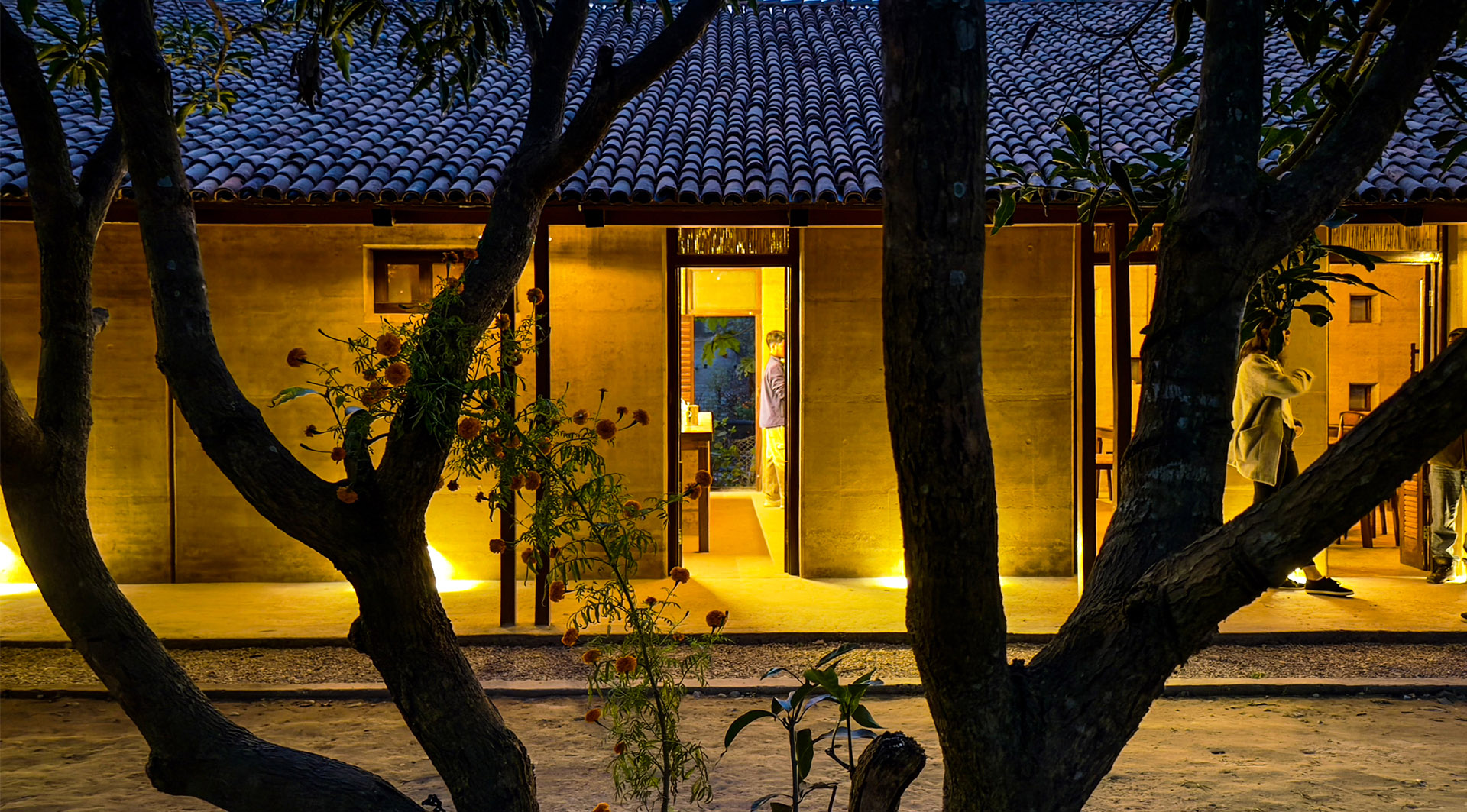
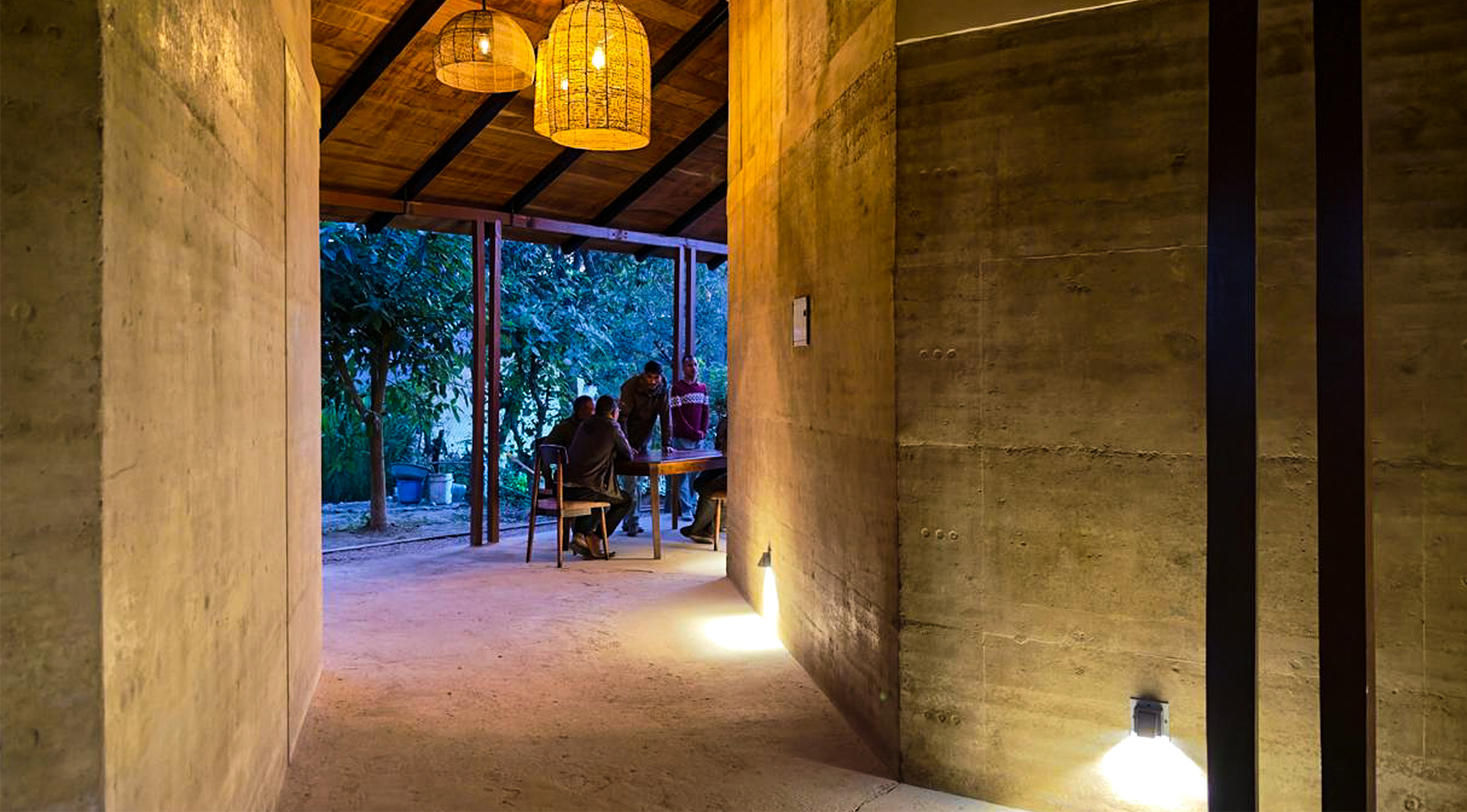
Architecturally, the eco-lodge revives traditional Tharu earthen building techniques in a modern form. It uses rammed earth, locally sourced materials, and reclaimed terracotta tiles. This reduces environmental impact while improving thermal comfort and seismic resilience. As a result, it demonstrates how sustainable architecture can respond to both cultural heritage and climate challenges.
Ultimately, this recognition highlights Tiger Track Eco Lodge as a model for how tourism, conservation, and community development can work together. This has turned a wildlife safari experience into a meaningful contribution to conservation in Nepal.