Tracking the Elusive and Endangered Red Panda in Nepal
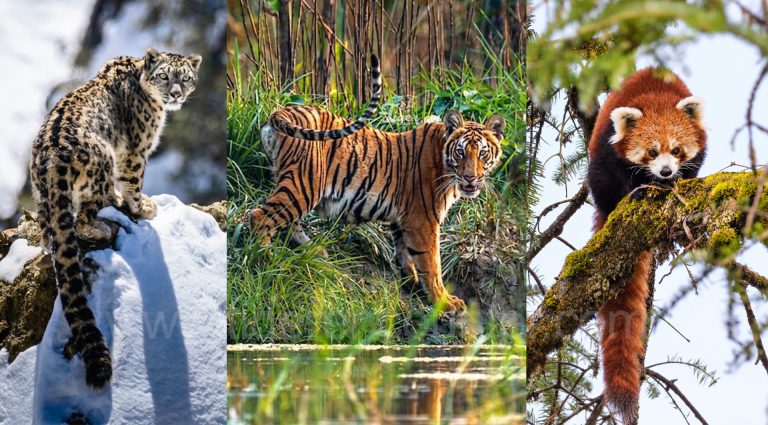
Spotting a red panda in the wild is a magical moment. Its rust-colored fur, masked face, and long bushy tail make it look like a living jewel among moss-covered branches. Moreover, this offers an incredible chance for wildlife photographers to capture stunning, once-in-a-lifetime shots of this endangered species.
Embark on an extraordinary journey tracking the elusive and endangered Red Panda in Nepal. Without a doubt, it is one of the most captivating wildlife adventures in the Himalayas.
Step Into the Red Panda’s World
Langtang National Park and Ilam’s lush cloud forests are prime hotspots for spotting the elusive red panda. These areas provide serene habitats of bamboo and moss-covered trees, where the red panda thrives and blends seamlessly into its magical surroundings. The elusive red panda moves gracefully, giving nature enthusiasts a rare glimpse into its secretive world.
Additionally, the dense cloud forests and natural light provide a perfect setting for wildlife photographers. You can capture striking shots of red pandas in their natural habitat, from playful cubs to solitary adults resting among the branches.

Red Panda Habitat
Red pandas live in cool, temperate forests between 2,000–4,000 meters, favoring bamboo-rich slopes near water sources. They prefer forests with moderate canopy cover and dense undergrowth, especially where bamboo reaches over three meters in height. Their presence often indicates a healthy ecosystem — making their protection crucial for Himalayan biodiversity.
Red Panda Diet and Behavior
These gentle mammals are bamboo specialists, with over 80% of their diet consisting of bamboo leaves and shoots. They also nibble on berries, birds, eggs, and insects. As solitary and crepuscular (active at dawn and dusk) creatures, they spend much of their day resting high on tree branches or nestled in hollow trunks.
Red Panda Reproduction
Breeding occurs in late winter (January–March), and cubs are born during the monsoon (June–August). Red panda mothers usually give birth to 1–4 cubs in tree hollows or rock crevices. Cubs stay with their mother for about eight months before becoming independent — just in time for her next breeding season.

Explore Their Natural Habitat
When you track the elusive red panda in Nepal, you trek through pristine forests that also host Himalayan monals, musk deer, and breathtaking Himalayan landscapes. Along the way, expert guides teach you to identify animal signs, identify droppings, and follow clues, enhancing your chances of spotting this rare species while minimizing disturbance to their natural behavior.
For photographers, every step offers opportunities to frame the forest’s vibrant colors, misty mornings, and dramatic wildlife encounters.

Expert-Led Conservation Treks
Our guided Red Panda Encounter in Nepal tours rely on experienced trackers who understand red panda behavior, feeding patterns, and habitat preferences. Consequently, your adventure becomes both thrilling and educational, as you learn to read the forest while supporting wildlife preservation.
Photographers can also benefit from expert tips on spotting and capturing wildlife responsibly.
Support Eco-Conservation and Communities
Red panda tourism strengthens community-based conservation initiatives in areas such as Dobato, Gorkhe, and Choyatar (Ilam) and Ghyangphedi and Cholangpati (Langtang). By participating in these treks, you actively contribute to local livelihoods. Also helping to protect this endangered species from habitat loss and poaching.
Moreover, your photographs of red pandas from the trek can raise awareness of red panda conservation and inspire others to care for the Himalayan ecosystem.

Join a Red Panda Encounter Trek in Nepal
Walk through enchanted cloud forests in the Red Panda Trail, hear the whispers of the Himalayas, and feel the excitement of spotting one of the world’s most charming creatures. Venture along off-the-beaten-path trails used by locals, offering a peaceful and unique opportunity to capture the red panda.
A Red Panda Encounter in Nepal is more than a wildlife adventure. It’s about creating awareness, supporting vital conservation work, and local communities that protect this endangered species. Also, it is an opportunity to preserve the natural heritage of the Himalayas actively.

Best Season for Red Panda Tracking
The best time for tracking the elusive and endangered red panda in Nepal is during spring (March–May) and autumn (September–November). During these seasons, the weather is clear and the forests are alive with color. Furthermore, the chances of encountering red pandas increase while enjoying the Himalayan landscape at its finest. The soft morning and evening light also makes these seasons ideal for photography during sunrise and sunset.

Blog and Photos by: Lhakpa Gyalbu (the local red panda tracker and wildlife photographer from Langtang)
For more: