Himalayan Wildlife Tracking in Nepal: Search for Snow Leopards, Bengal Tigers, Red Pandas, Rhinos & More
The Ultimate Himalayan Wildlife Tracking Experience in Nepal
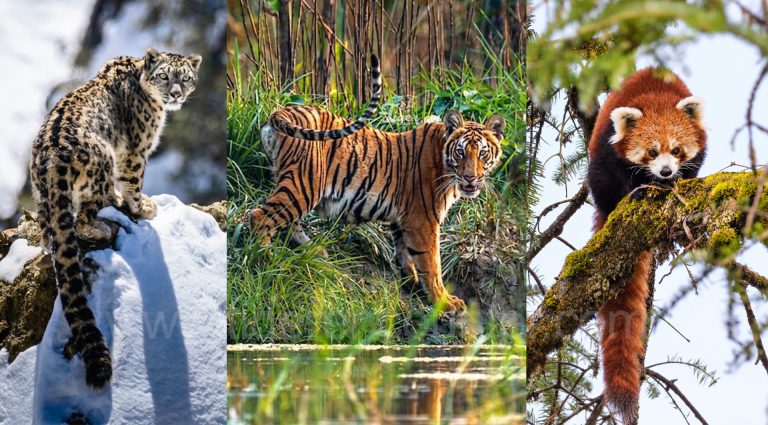
Nepal stands among the world’s most extraordinary wildlife destinations, where snow-capped Himalayan peaks, dense subtropical jungles, and pristine forests create habitats for some of the planet’s rarest and most iconic animals. From tracking the elusive snow leopard in the high Himalayas to searching for Bengal tigers in the lowland jungles, Nepal offers unparalleled wildlife adventures for nature enthusiasts, photographers, and conservation travelers.
Moreover, Nepal’s remarkable biodiversity makes it a dream destination for wildlife lovers. The country hosts over 200 mammal species and more than 900 bird species across diverse ecosystems that range from tropical plains to alpine wilderness. As a result, wildlife tracking in Nepal combines adventure, conservation, and unforgettable encounters with some of Asia’s most fascinating species.
Tiger Encounter Team: Nepal Wildlife Tracking Experts
Tiger Encounter Team is a leading wildlife tracking specialist in Nepal, offering expert-guided expeditions to search for snow leopards, Bengal tigers, red pandas, rhinos, elephants, deer, and other Himalayan wildlife.
Our experienced wildlife specialists, local trackers, and conservation guides create authentic and responsible wildlife experiences across Nepal. We study animal behavior, understand habitats, and apply years of field knowledge to help travelers discover Nepal’s incredible biodiversity., With passion, experience, and a strong commitment to conservation, we deliver unforgettable wildlife adventures while supporting conservation and protecting Nepal’s natural heritage from the high Himalayas to the Terai jungles.
Tashi R. Ghale leads our snow leopard tracking expeditions in the Himalayas. He uses his deep knowledge of mountain landscapes and snow leopard habitats to guide guests through remote alpine regions.
In the Terai jungles, Shusila Mahatara, Manju Mahatara, and Ranju Mahatara track and observe Bengal tigers, one-horned rhinos, Asian elephants, and other wildlife. They read animal signs, understand jungle movements, and share their expertise with every traveler.
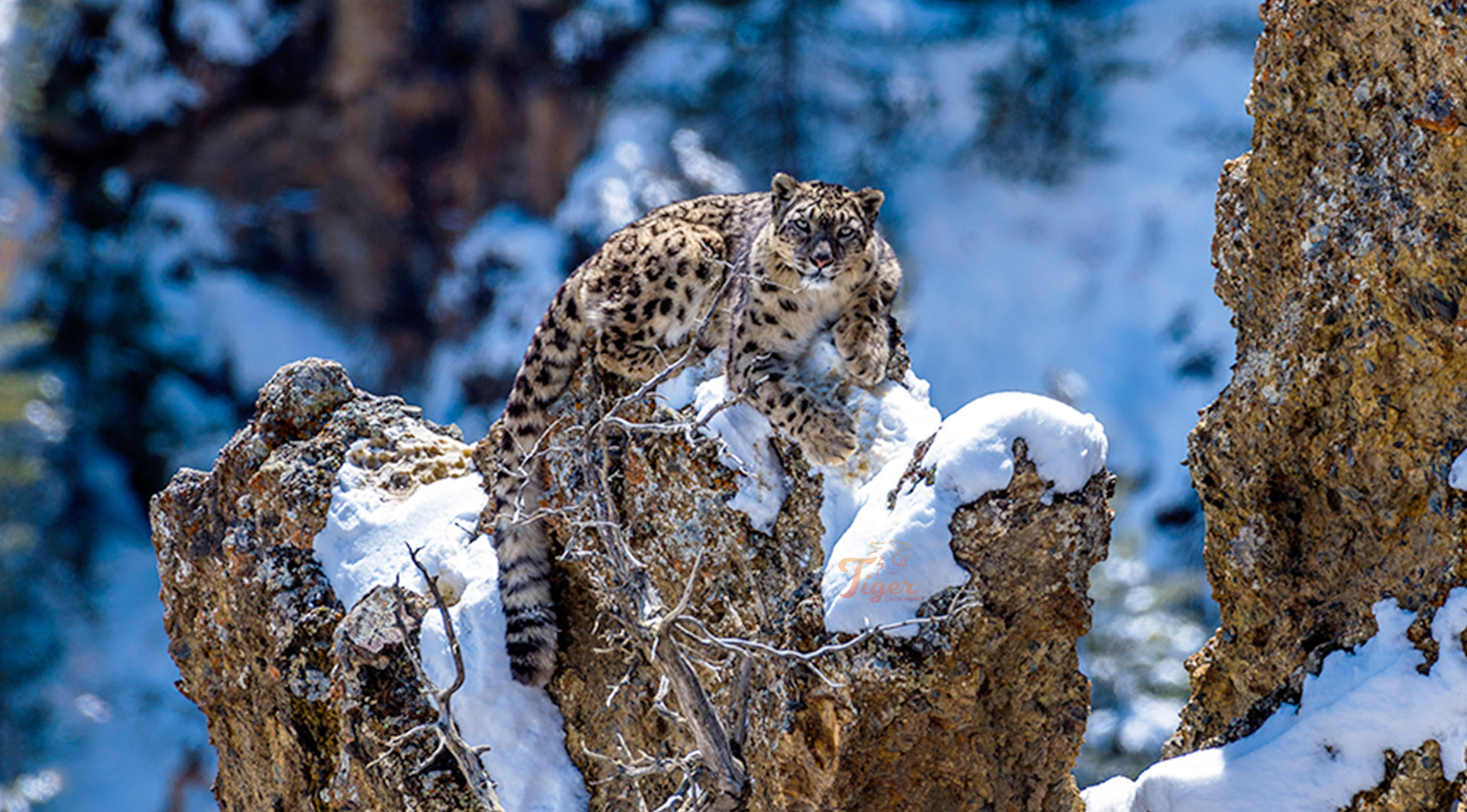
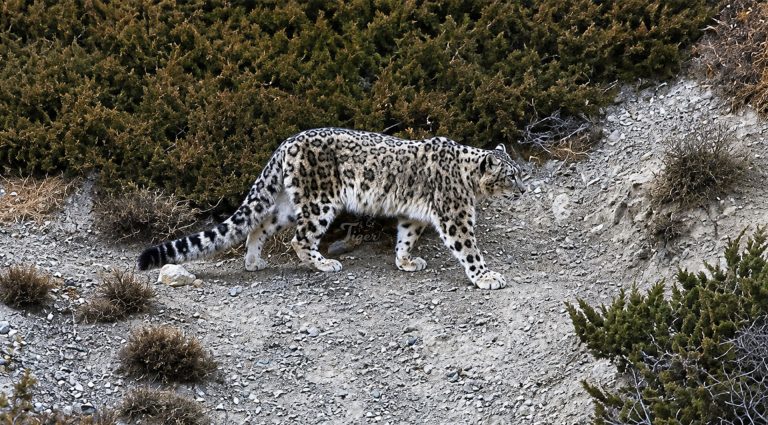
The snow leopard, often called the “Queen of the Mountains,” captivates wildlife enthusiasts with its elusive nature and exceptional camouflage. Fortunately, Nepal’s high-altitude regions, particularly the Annapurna and Manang landscapes, provide some of the best opportunities in the world to track this magnificent predator.
Why Nepal is a Top Snow Leopard Destination
- Nepal supports one of the highest snow leopard densities in the Himalayas.
- The region offers stunning mountain scenery with peaks soaring above 8,000 meters.
- Experienced local trackers and conservationists guide wildlife expeditions.
- Travelers enjoy exceptional opportunities for ethical wildlife photography.
- Traditional Himalayan villages enrich the overall experience with unique cultural encounters.
Although tracking snow leopards requires patience, skilled guides, and a measure of luck, conservation efforts and community-based wildlife protection have significantly improved sighting opportunities in recent years. Consequently, more travelers now experience the thrill of observing these elusive cats in their natural habitat.
Best Time to Visit: February and March
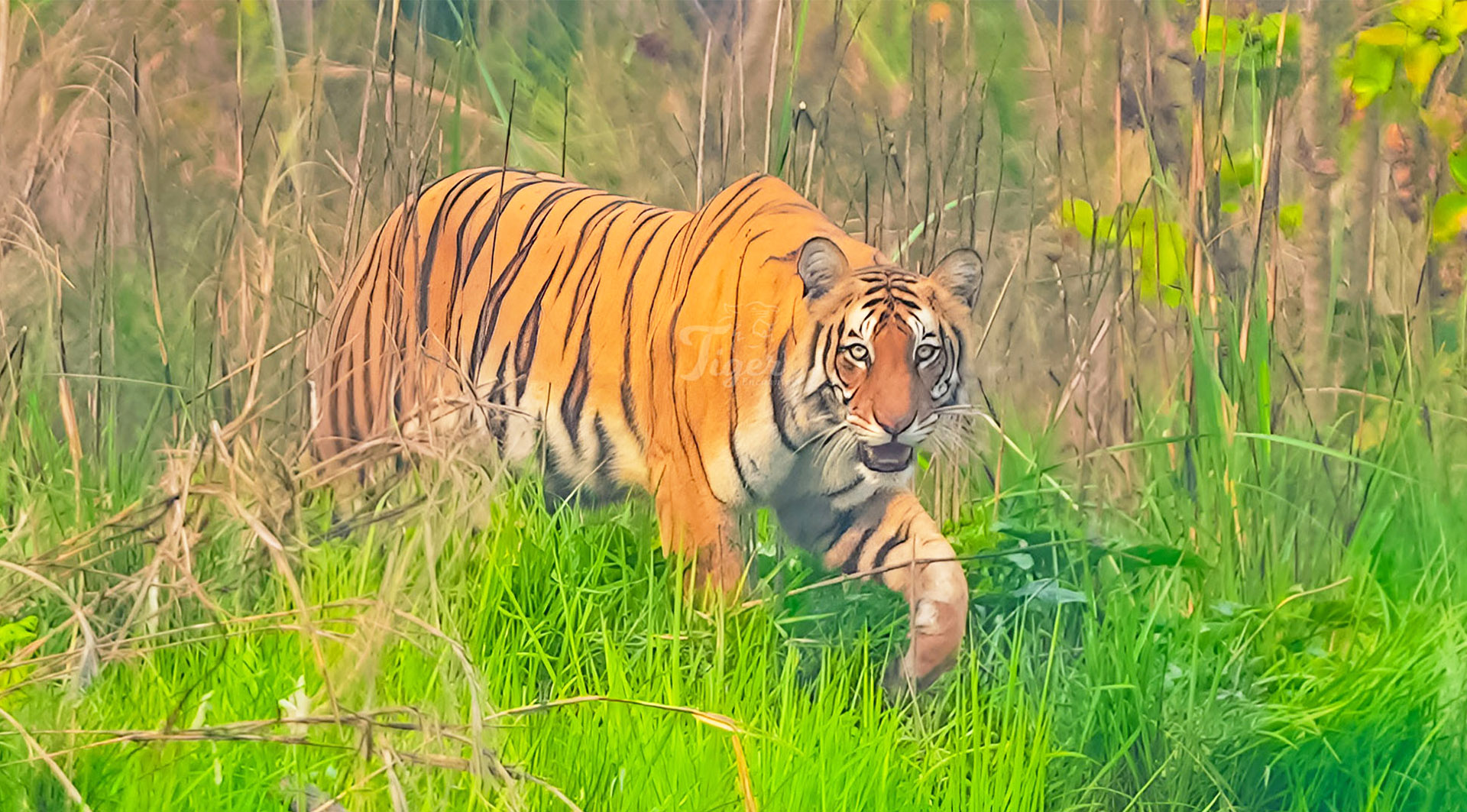
Bengal Tiger Tracking in Nepal’s Jungles
Nepal has emerged as a global conservation success story for Bengal tigers. Thanks to decades of dedicated conservation work, protected areas such as Bardia National Park and Chitwan National Park now support thriving tiger populations of 355.
Tiger Tracking Highlights
- Expert-guided jungle walks
- Jeep safaris through prime tiger habitat
- Camera trap monitoring experiences
- Tracking fresh pugmarks and territorial markings
- Outstanding wildlife photography opportunities
In particular, Bardia National Park has earned a reputation for authentic tiger-tracking experiences away from large crowds. Therefore, serious wildlife enthusiasts and photographers often consider it one of the best places in Asia to search for wild tigers.
Best Time to Visit: October to May
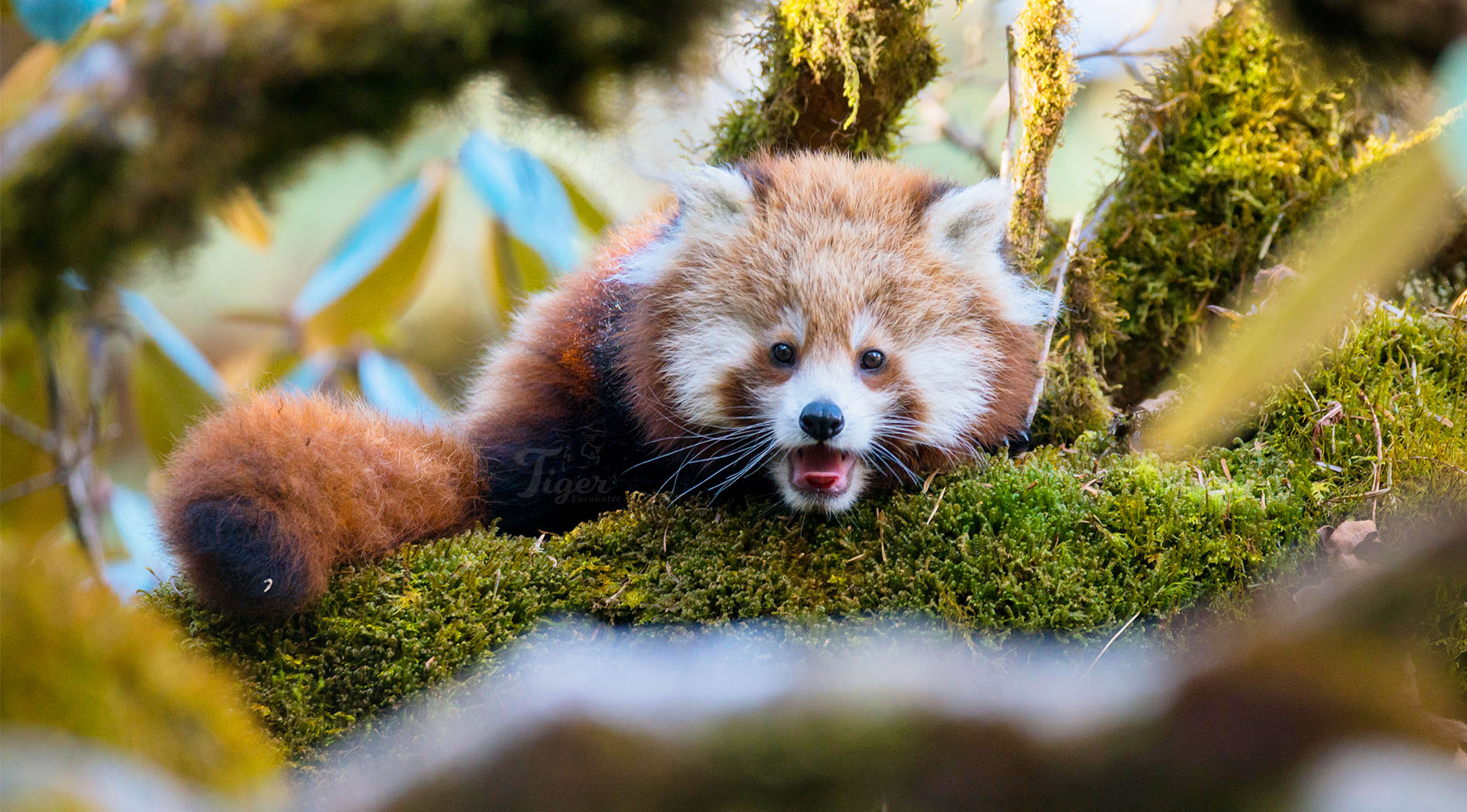
Searching for the Endangered Red Panda
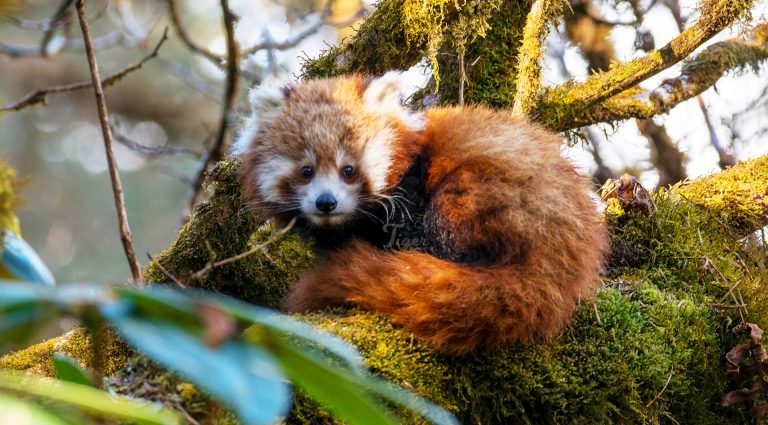
The red panda ranks among Nepal’s most charming and endangered mammals. Living in the temperate bamboo forests of eastern Nepal, these tree-dwelling animals captivate wildlife lovers with their striking reddish fur, playful behavior, and gentle appearance.
Red Panda Habitat
- Eastern and Central Himalayan forests
- Bamboo-rich ecosystems
- Elevations between 2,200 and 4,800 meters
- Protected conservation landscapes
Furthermore, red panda tracking often takes visitors through spectacular rhododendron forests, remote mountain trails, and traditional Himalayan communities. Thus, the journey becomes as rewarding as the wildlife encounter itself.
Best Time to Visit: October to April
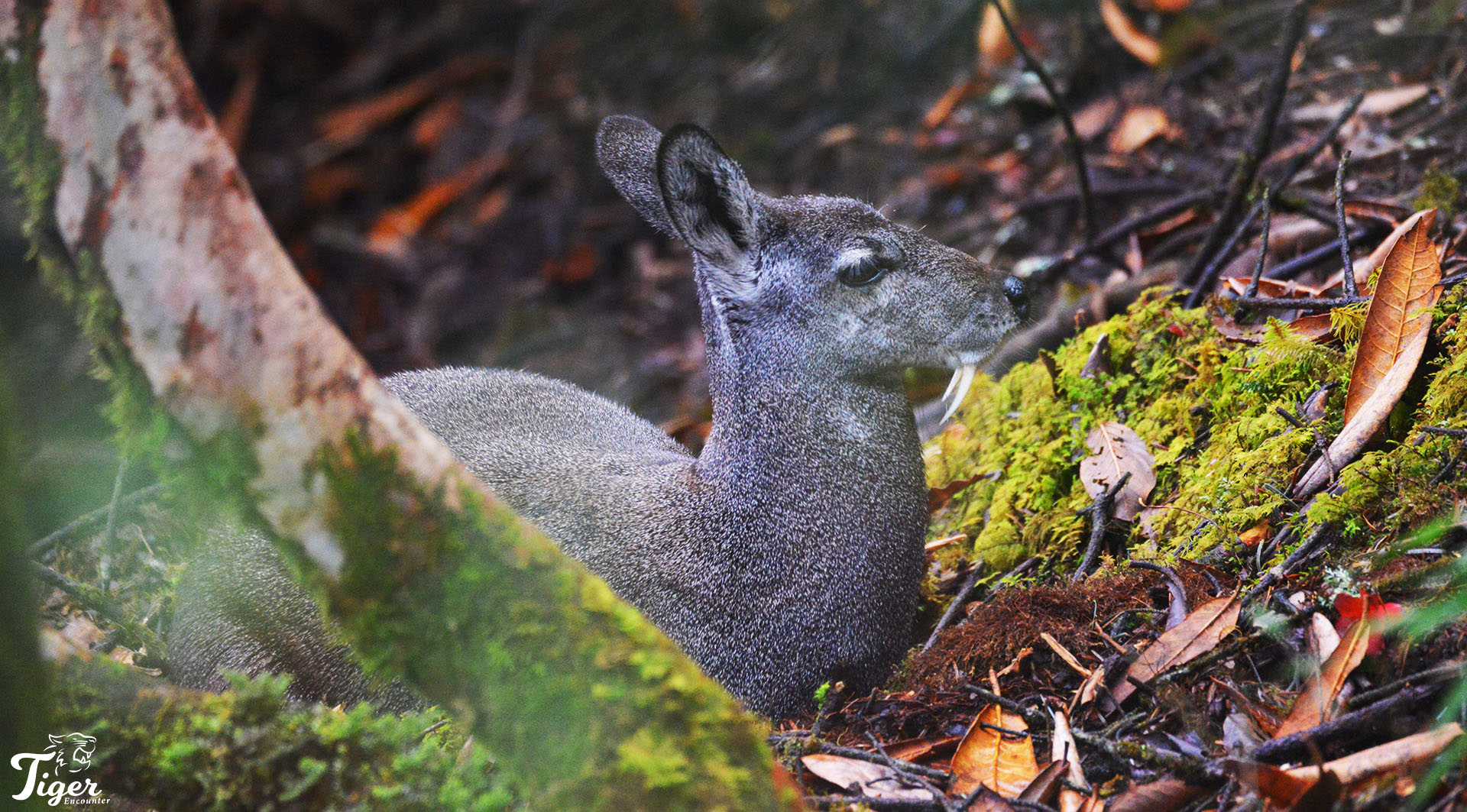
Himalayan Musk Deer: A Rare Mountain Species
The Himalayan musk deer inhabits remote alpine forests and rugged mountain terrain throughout Nepal’s high Himalayas. Known for its distinctive fang-like teeth and secretive behavior, this remarkable species remains one of the region’s most fascinating mammals.
While searching for snow leopards and other alpine wildlife, trackers frequently encounter musk deer in high-altitude habitats. Therefore, these expeditions often provide opportunities to observe multiple rare Himalayan species in a single journey.
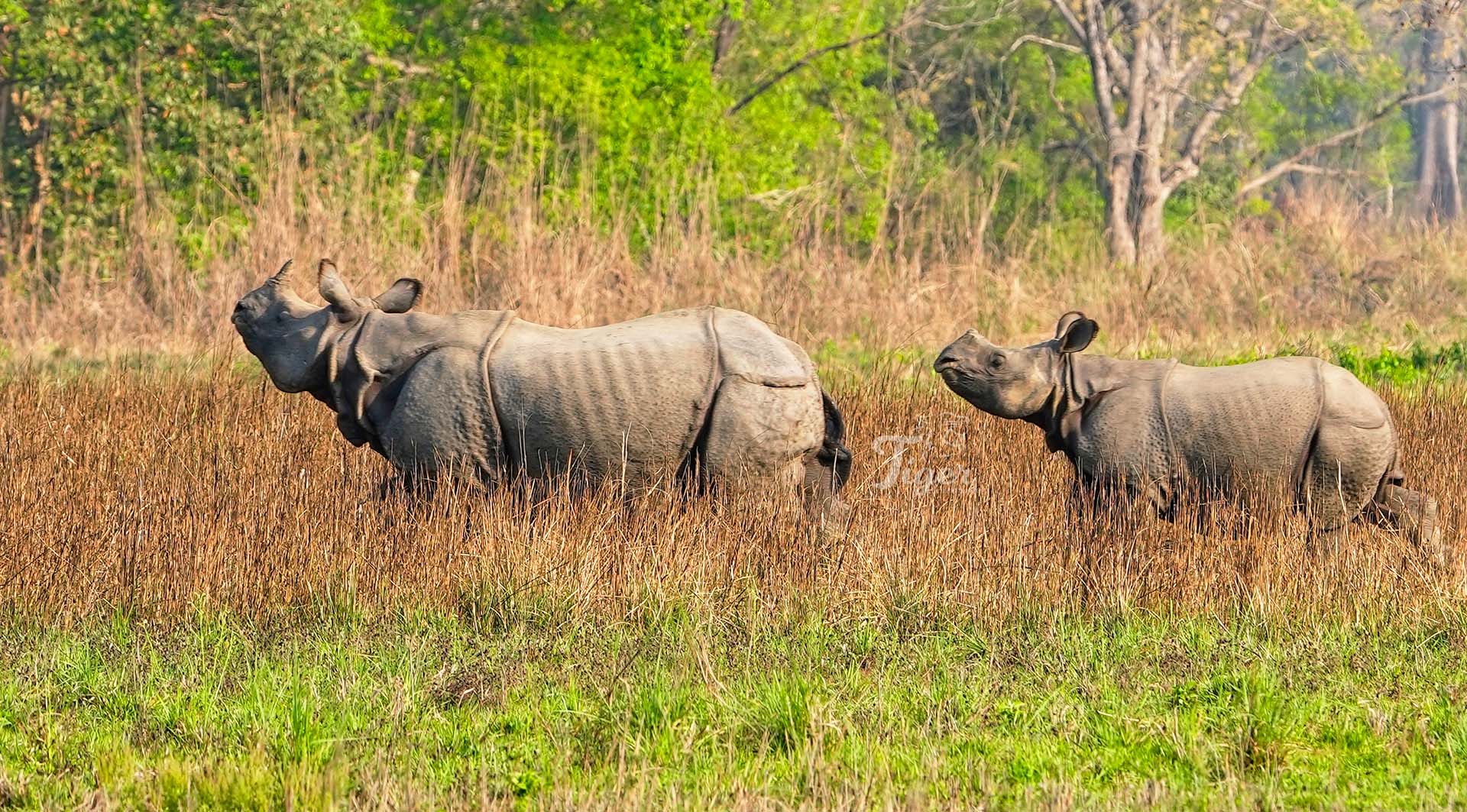
One-Horned Rhinoceros: A Conservation Success Story
Nepal protects one of the world’s most significant populations of the greater one-horned rhinoceros. As a result of successful conservation initiatives, these prehistoric-looking giants now thrive in the grasslands and wetlands of southern Nepal.
Rhino Tracking Experiences
- Guided walking safaris
- Jeep safaris
- River excursions
- Wildlife photography tours
Among Nepal’s protected areas, Chitwan National Park offers some of the world’s finest opportunities to observe rhinos in their natural habitat. Consequently, it remains a must-visit destination for wildlife enthusiasts.
Best Time to Visit: October to March
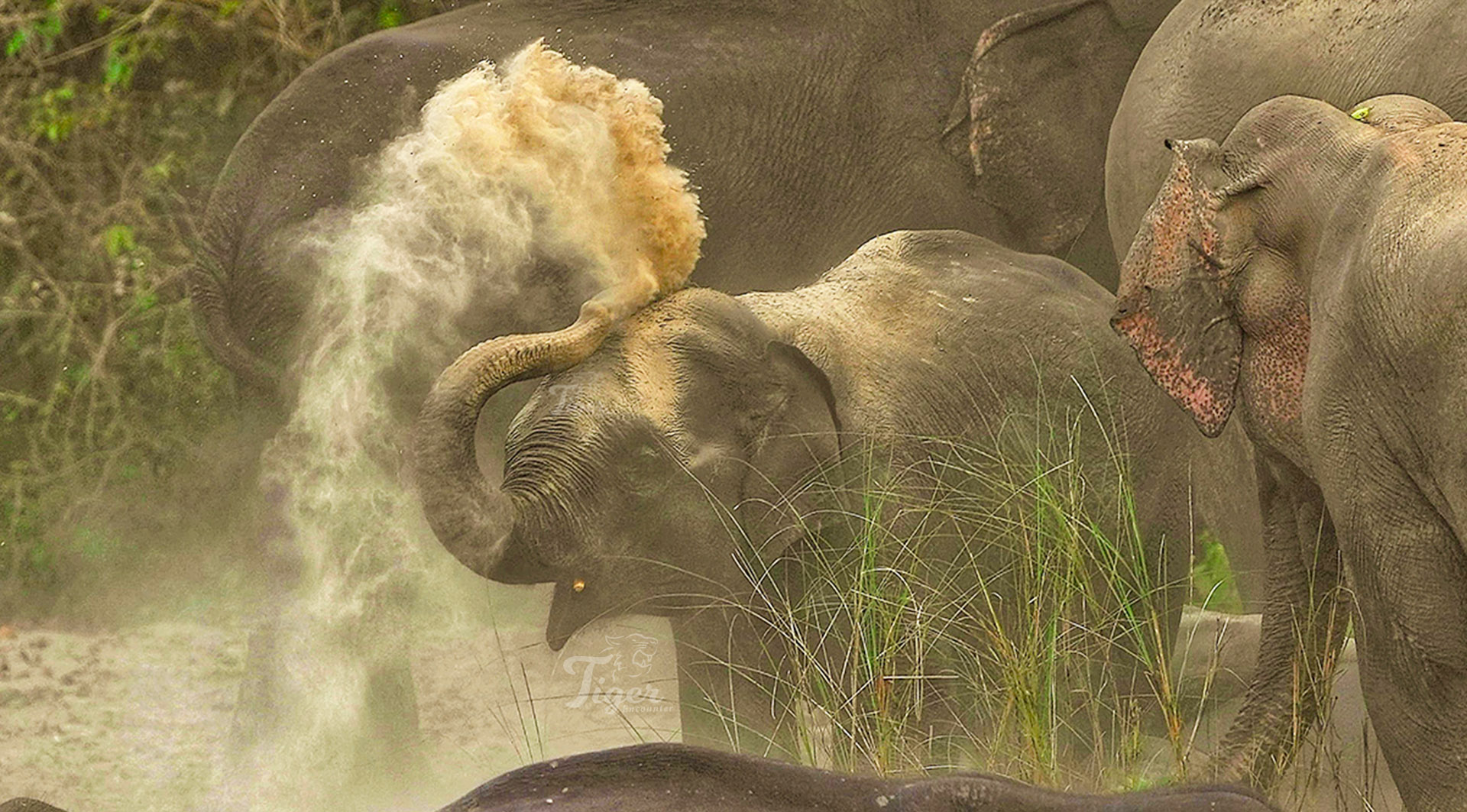
Asian Elephants in Nepal
Wild Asian elephants roam parts of Nepal’s Terai region, where they play a crucial ecological role by shaping forests and grasslands. These intelligent giants influence vegetation patterns and create habitats that benefit numerous other species.
To ensure both visitor safety and responsible wildlife viewing, experienced guides carefully track elephant movements and interpret their behavior. As a result, travelers gain a deeper understanding of these magnificent animals while minimizing disturbance to their natural activities.
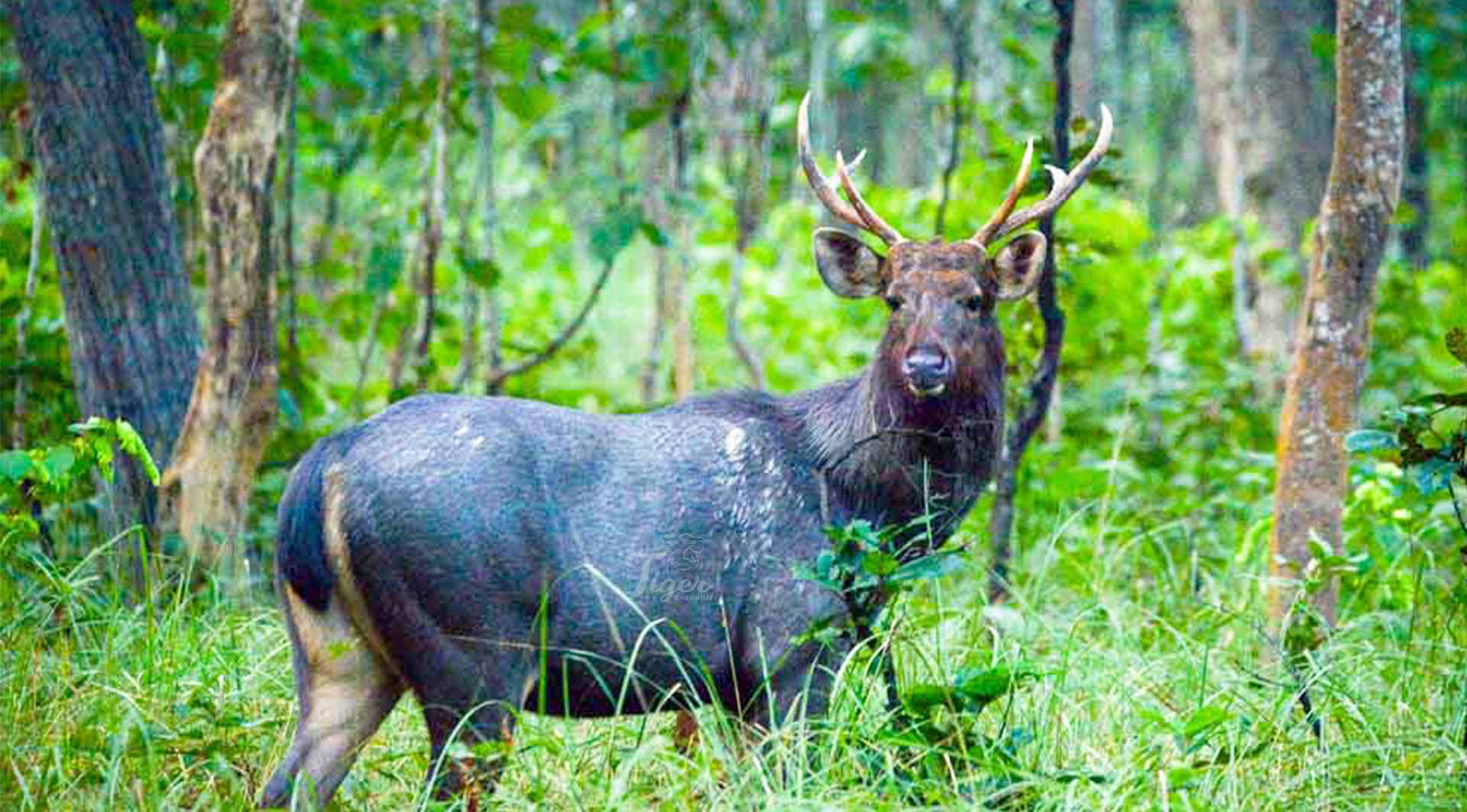
Other Deer Species of Nepal
Nepal supports several remarkable deer species that form the foundation of many ecosystems. In addition, these herbivores serve as essential prey for predators such as Bengal tigers and leopards.
Common Deer Species
- Spotted Deer
- Sambar Deer
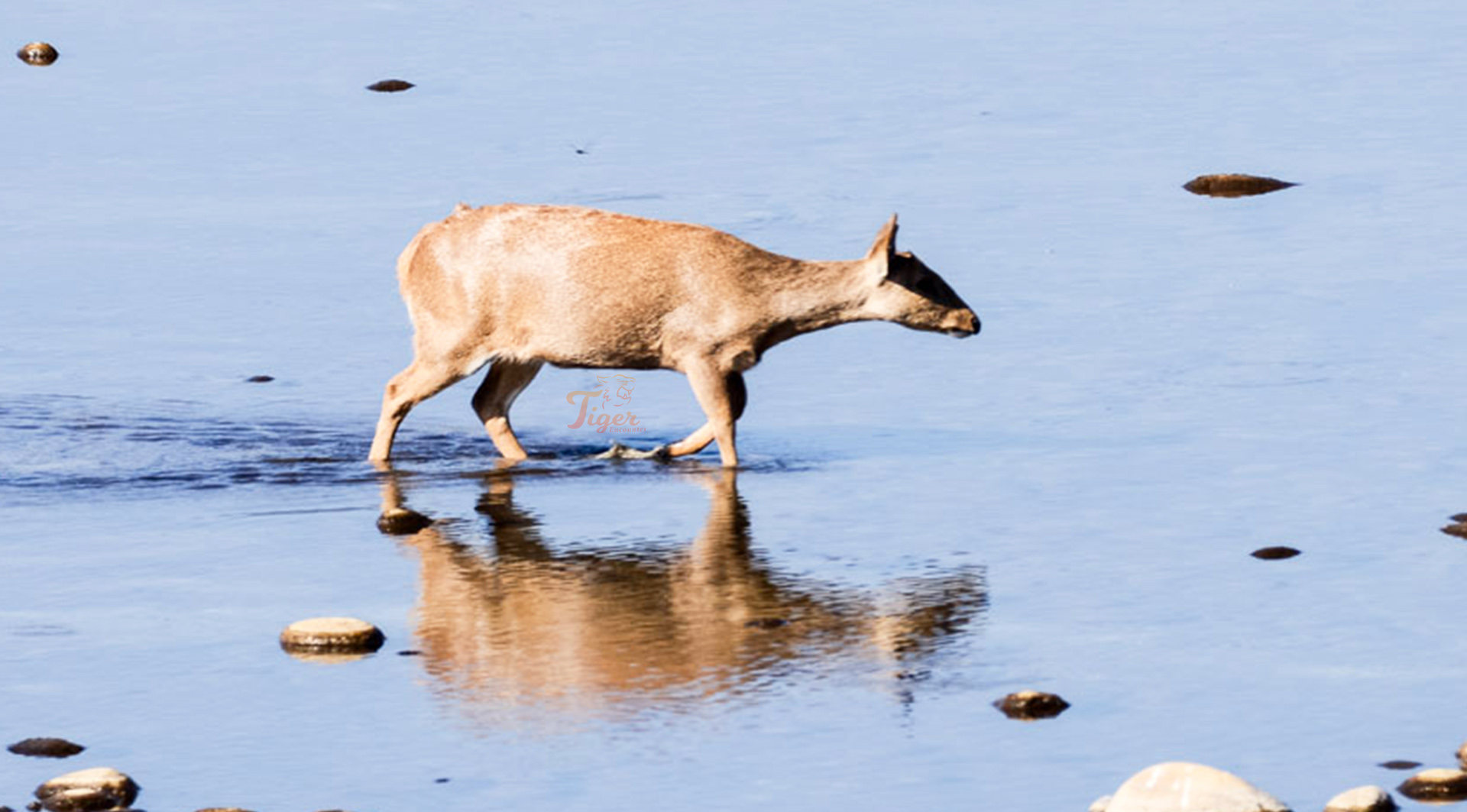
- Hog Deer
- Barking Deer
Visitors frequently encounter these species during jungle safaris and wildlife tracking expeditions throughout Nepal. Moreover, their alarm calls often help trackers locate nearby predators.
Why Nepal is the Best Wildlife Tracking Destination in Asia
Incredible Biodiversity
Few countries allow travelers to track snow leopards in the Himalayas and Bengal tigers in subtropical jungles during the same trip. Therefore, Nepal offers a wildlife experience unlike any other destination in Asia.
Conservation Success
Nepal has earned international recognition for its successful wildlife conservation programs. Through collaborative efforts between local communities, conservation organizations, and government agencies, the country has increased populations of tigers, rhinos, and several other endangered species.
Experienced Local Guides
Local trackers bring generations of knowledge about animal behavior, habitats, and movement patterns. Consequently, they significantly enhance both wildlife sighting opportunities and the overall travel experience.
Spectacular Landscapes
Beyond its wildlife, Nepal captivates visitors with breathtaking landscapes. Wildlife adventures unfold against dramatic backdrops that range from the world’s highest mountains to pristine river valleys, ancient forests, and expansive grasslands.
Responsible Wildlife Tracking
Responsible wildlife tourism directly supports conservation efforts and local communities. Therefore, ethical wildlife tracking prioritizes:
- Respecting animal behavior and habitats
- Maintaining safe viewing distances
- Supporting local conservation initiatives
- Employing local guides and trackers
- Promoting sustainable tourism practices
By choosing responsible wildlife experiences, travelers actively contribute to protecting Nepal’s extraordinary biodiversity for future generations. At the same time, they help local communities benefit from conservation-based tourism.
Whether you dream of witnessing a snow leopard crossing a Himalayan ridge, tracking a Bengal tiger through the jungles of Bardia, spotting a red panda in a misty mountain forest, or observing rhinos and elephants in the Terai, Nepal delivers one of the most diverse and rewarding wildlife experiences on Earth.
Ultimately, from the towering Himalayas to the subtropical lowlands, every wildlife expedition showcases Nepal’s remarkable natural heritage. Not only do these adventures offer unforgettable encounters with rare species, but they also support conservation efforts that protect some of the world’s most extraordinary wildlife. Consequently, Nepal continues to stand as a global conservation treasure and one of the finest wildlife tracking destinations on the planet.