How to Photograph Wildlife Ethically Without Disturbing Them?
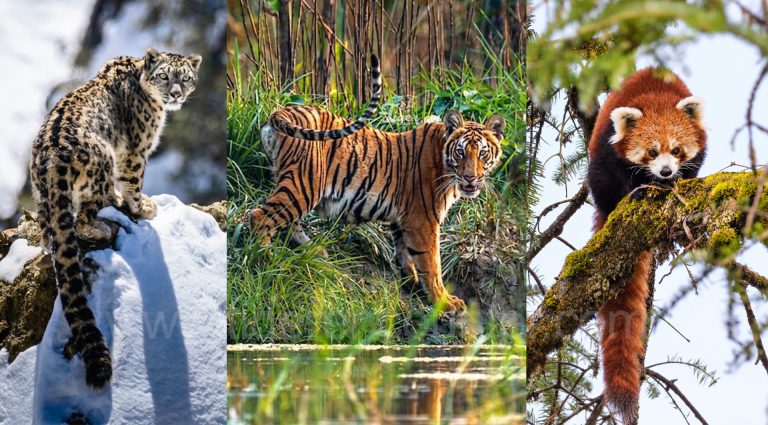
Every wildlife photographer dreams of capturing the perfect shot—an image that tells a story and reveals a moment of natural beauty. Photographers can create stunning, ethical, and unforgettable images of tigers, elephants, rhinos, snow leopards, or red pandas in Nepal.
However, in some cases, photographers unknowingly disturb wildlife, causing stress or harm, which is why ethical practices are crucial.
Photographing wildlife is a thrilling way to connect with nature. But it comes with a responsibility. Because unknowingly disturbing animals can cause stress or harm, ethical practices are essential. The best wildlife shots aren’t created by getting as close as possible. Ultimately, true success in wildlife photography relies not on proximity but on patience, observation, and respect for the environment.
When done responsibly, wildlife photography can be a powerful force for good, showcasing the beauty of the natural world and inspiring conservation. Therefore, follow these guidelines to capture stunning wildlife images ethically, minimizing your impact while celebrating nature.

1. Avoid Crowding Wildlife
Firstly, overcrowding can stress or frighten animals. Thus, explore less-visited areas or regions for richer wildlife experiences, better photo opportunities, and fewer disturbances for the animals.
2. Ethical Mindset – The Animal Comes First
Next, cultivate the right mindset:
Pause Before You Click: Ask yourself—is this shot worth stressing the animal?
Respect Over Recognition: Authentic wildlife photography values life over likes
3. Keep Your Distance – Zoom, Don’t Chase
Additionally, use telephoto lenses (200mm–600mm) to capture close-ups without disturbing animals. Never chase or approach too closely—sudden movements and loud noises disrupt natural behavior. Instead, photograph animals in their natural state, not under stress.
The golden rule of wildlife photography is to observe and capture animals without disturbing them—keeping a respectful distance ensures they feel safe and unthreatened.
4. Respect Their Space – No Trespassing in Nature’s Home
Moreover, stay on designated trails and avoid sensitive areas such as nests, dens, or breeding grounds. Even small intrusions can disrupt feeding, mating, or resting patterns and cause long-term habitat damage. By observing from a safe distance, you protect wildlife while enjoying authentic experiences.

5. Patience Pays – Wait for the Magic Moment
Furthermore, Wildlife photography is about observation and timing. Learn animal routines—feeding times, resting areas, and migration patterns. By using natural light to your advantage, enhancing observational skills, and timing your shoots for periods of peak activity, you can capture authentic and striking images.
6. Silence is Golden – Stealth Mode On
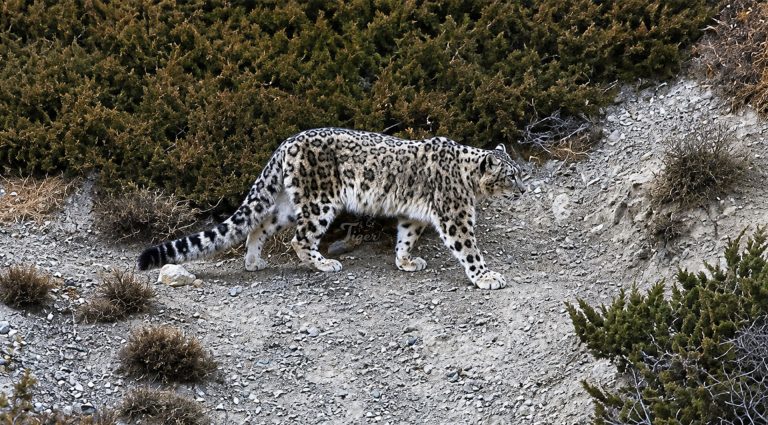
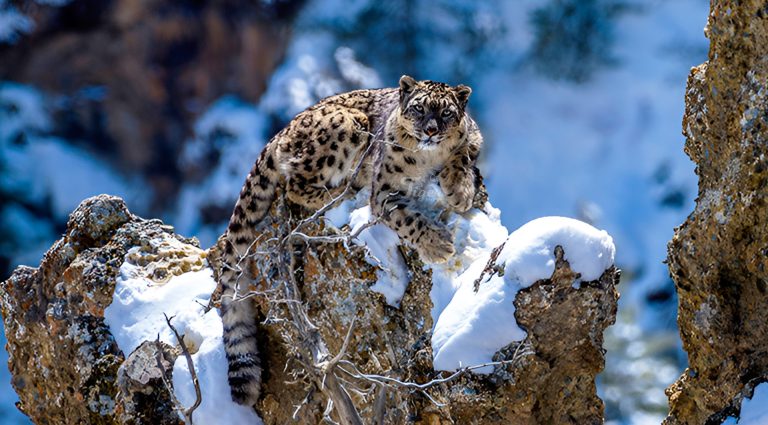
In addition, move slowly and deliberately. Avoid sudden gestures, loud voices, or running. Also, use silent or electronic shutter modes, reduce lens zoom noise, and consider tripods or monopods to minimize movement. Finally, wear muted colors and use natural cover like bushes, rocks, or trees to remain inconspicuous.
7. No Tricks, No Baiting, No Feeding
Equally important, never lure or feed wildlife. Artificial attraction can harm animals, stress them, and permanently alter their behavior. Therefore, capture animals naturally, without interference.
8. Respect the Rules – Follow the Ranger
Moreover, always follow park rules and wildlife guidelines. Hiring an experienced local guide improves safety and increases opportunities to observe wildlife responsibly. Indeed, trust the expertise of guides and rangers—they know what’s safe and what could be risky.

9. Mind the Light – Natural Glow is the Best
Meanwhile, early morning and late afternoon offer soft natural light perfect for wildlife shots. Also, avoid flash photography, especially for nocturnal animals, as it can frighten them.
10. Protect Habitat – Leave No Trace
Furthermore, stick to designated paths, avoid trampling plants, disturbing soil, or leaving litter. In this way, your presence leaves nature unchanged.
11. Think Before You Participate – Don’t Support Cruelty
Finally, before engaging in any wildlife-related activity, ask yourself: Is this causing harm? Would my participation support cruelty? If so, walk away. True travel experiences should celebrate wildlife—not exploit it.
12. Respect Other Photographers & Visitors in the Field
Wildlife photography isn’t a solo sport—whether you’re in a national park, on a guided safari, or at a well-known birding hotspot, chances are you won’t be the only one trying to capture the perfect shot. And let’s be honest, nothing ruins the magic of the moment faster than poor photographic etiquette. Photographers elbowing their way to the front, cutting across tripods, or even whistling and clapping to grab an animal’s attention. At its core, wildlife photography should be about respect—not only for the animals but also for fellow photographers and visitors who share the same space.
One of the biggest mistakes photographers make, especially in crowded locations, is hogging the prime spot. Always be mindful of those around you, share the space fairly, and avoid blocking someone else’s view.
In the end, ethical wildlife photography is about much more than taking beautiful pictures—it is about honoring the lives and habitats of the animals you photograph. By keeping your distance, practicing patience, and respecting both nature and park rules, you ensure that your images reflect animals as they truly are: wild, free, and undisturbed.