Nepal is famous for the Himalayas, Mount Everest, and trekking. However, it is also one of South Asia’s most diverse wildlife destinations. From the subtropical jungles and wetlands of the Terai to the high-altitude forests of the Himalayas, Nepal supports an extraordinary variety of wildlife.
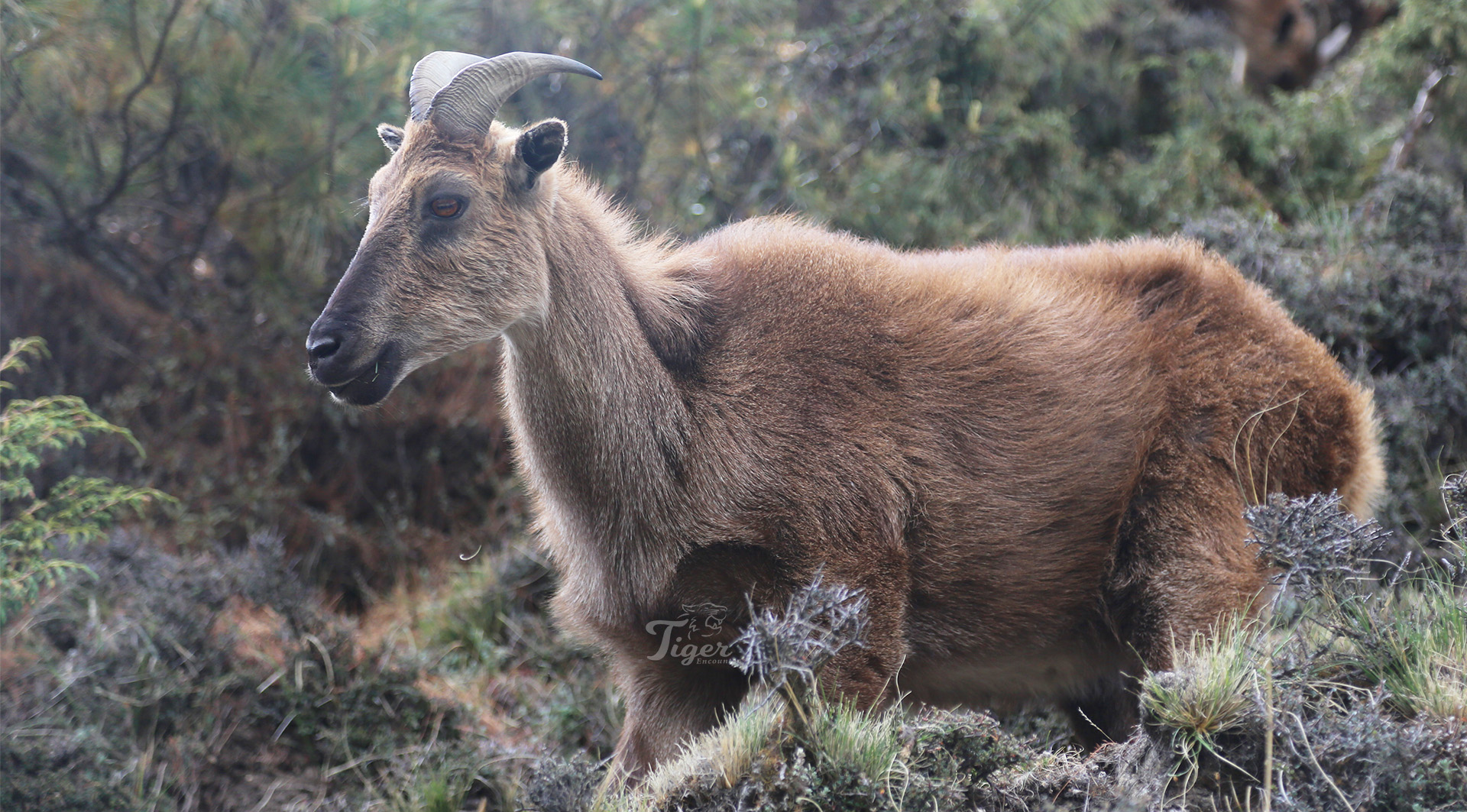
Wildlife in Nepal includes Bengal tigers, greater one-horned rhinoceroses, wild elephants, red pandas and snow leopards. The country is also home to Himalayan tahr, musk deer, crocodiles and hundreds of bird species.
Nepal’s 21 protected areas cover a remarkable variety of ecosystems, offering opportunities for wildlife safaris, animal tracking, birdwatching, photography and cultural experiences. Bardia and Chitwan are renowned for tigers, rhinos, and elephants; Langtang for red panda tracking, Manang for snow leopards, and Koshi Tappu for birdwatching and wetland wildlife.
If you are wondering where to see wildlife in Nepal, the best destination depends on your target species, season, habitat, and tracking expertise. Nepal offers an exceptional combination of wildlife, wilderness, mountains, forests, and culture. So, Nepal is more than a trekking destination and an ideal country for wildlife photography and specialized animal-tracking experiences.
Nepal’s top wildlife destinations span distinct geographical zones, each supporting specialized species. If you are wondering where to see wildlife in Nepal, these destinations are among the most important to consider.
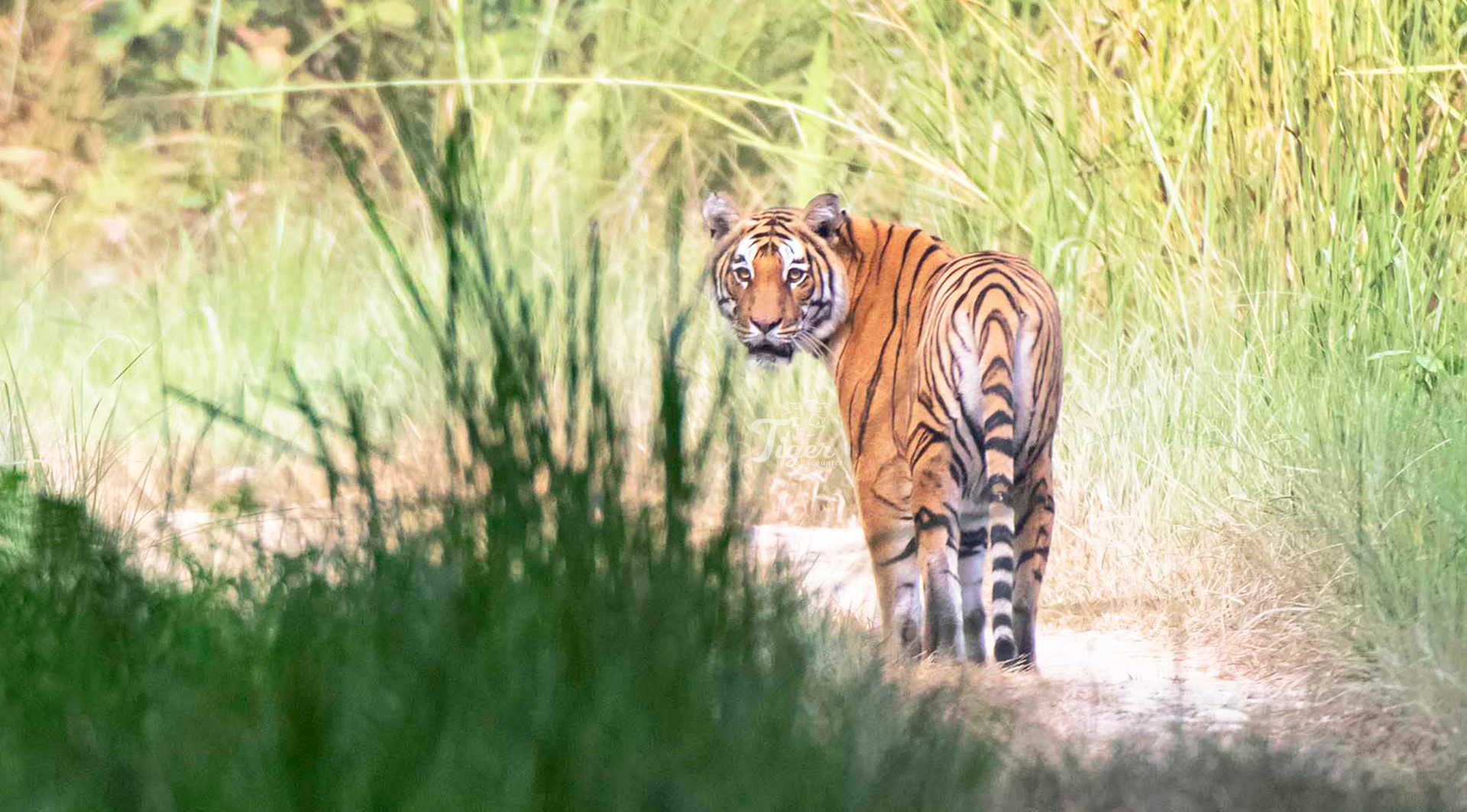
1. Bardia National Park – A Prime Destination for Tiger Tracking
For travelers looking for a more remote and immersive wildlife safari in Nepal, Bardia National Park in western Nepal is an important destination.
Bardia protects extensive sal forests, grasslands, and river systems. Wildlife recorded in the park includes the Bengal tiger, greater one-horned rhinoceros, wild elephant, swamp deer, blackbuck, leopard, and several other mammals.
The surrounding river systems add another dimension to a Bardia wildlife experience. Gangetic dolphins can be encountered in the Karnali River, while gharials and mugger crocodiles are also part of the region’s aquatic wildlife.
Why visit Bardia for wildlife photography?
Bardia is particularly attractive to photographers and serious wildlife enthusiasts because the experience can include:
- Tiger tracking
- Jeep safari
- Walking safari
- River trips
- Birdwatching
- Wildlife photography
- Elephant encounters
- Dolphin watching in the Karnali River
Best for: Tiger tracking, wildlife photography, wild elephants, rhinos, and a deeper jungle experience.
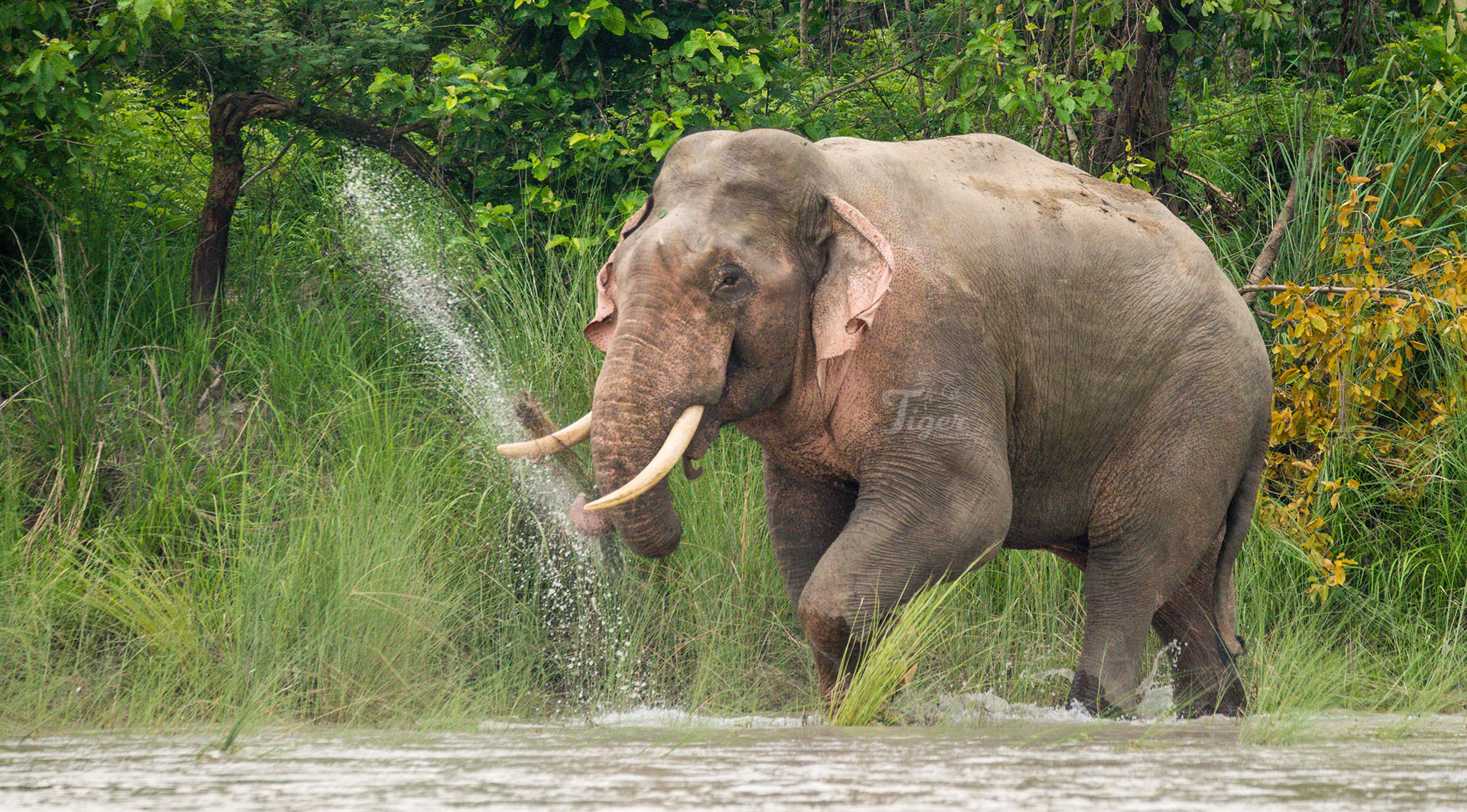
2. Chitwan National Park – Best-Known Wildlife Safari Destination in Nepal
Located in Nepal’s southern Terai, Chitwan National Park is one of the country’s most established wildlife destinations and a UNESCO World Heritage Site. The park covers 932 sq. km and protects forests, grasslands, rivers, wetlands and floodplains.
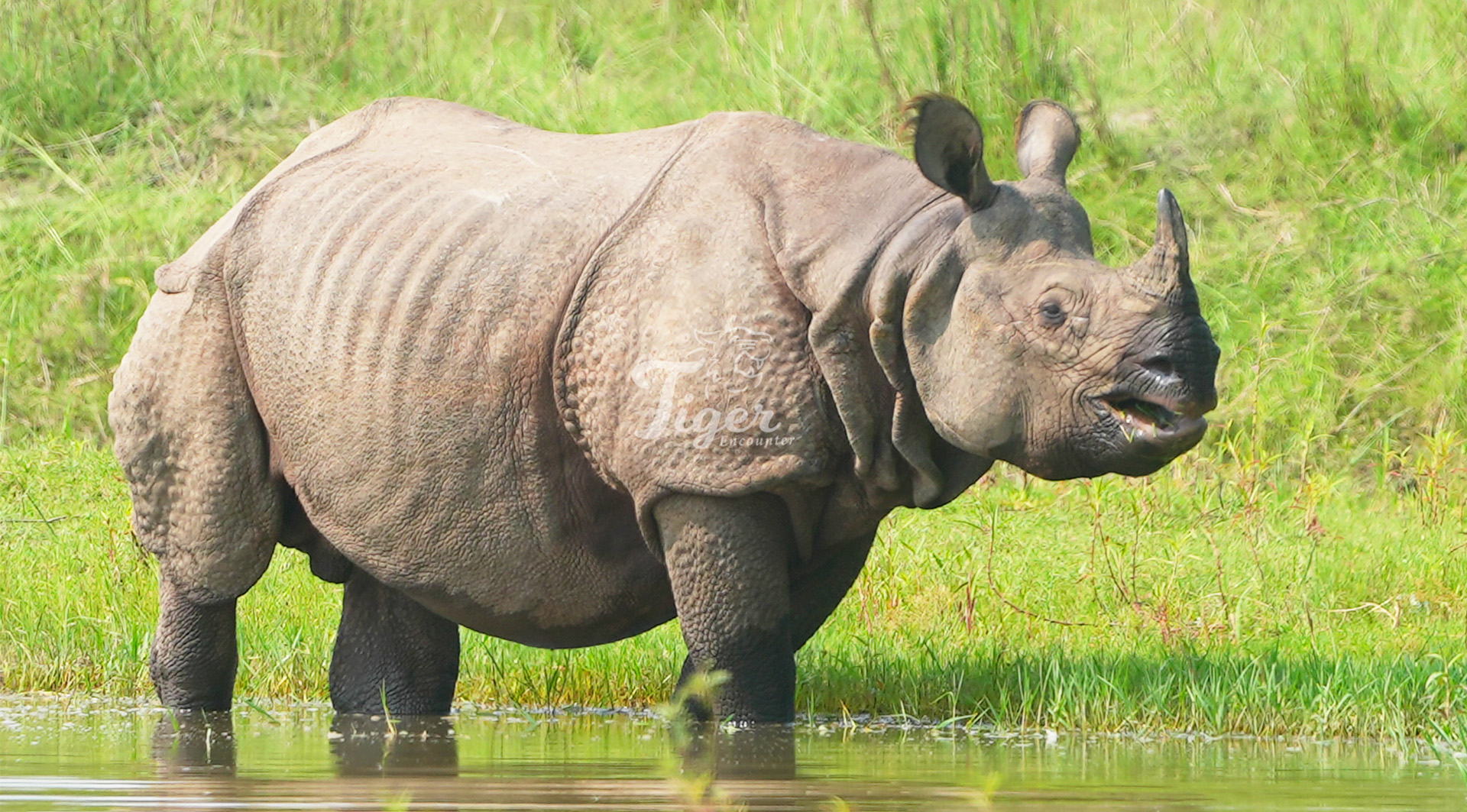
Chitwan is particularly famous for the greater one-horned rhinoceros, Bengal tiger, wild elephant, leopard, sloth bear, gaur, deer, wild boar and several smaller mammals. Its rivers and wetlands are also important habitats for gharial and mugger crocodiles and waterbirds.
Wildlife experiences in Chitwan
Visitors can experience:
- Jeep safaris
- Nature walks
- Canoe trips
- Birdwatching
- Wildlife photography
- Tharu cultural experiences
- River and wetland exploration
The park is also an important birding destination, with hundreds of recorded bird species.
Best for: Rhino, tiger, birds, crocodiles, jungle safari, and first-time wildlife travelers.
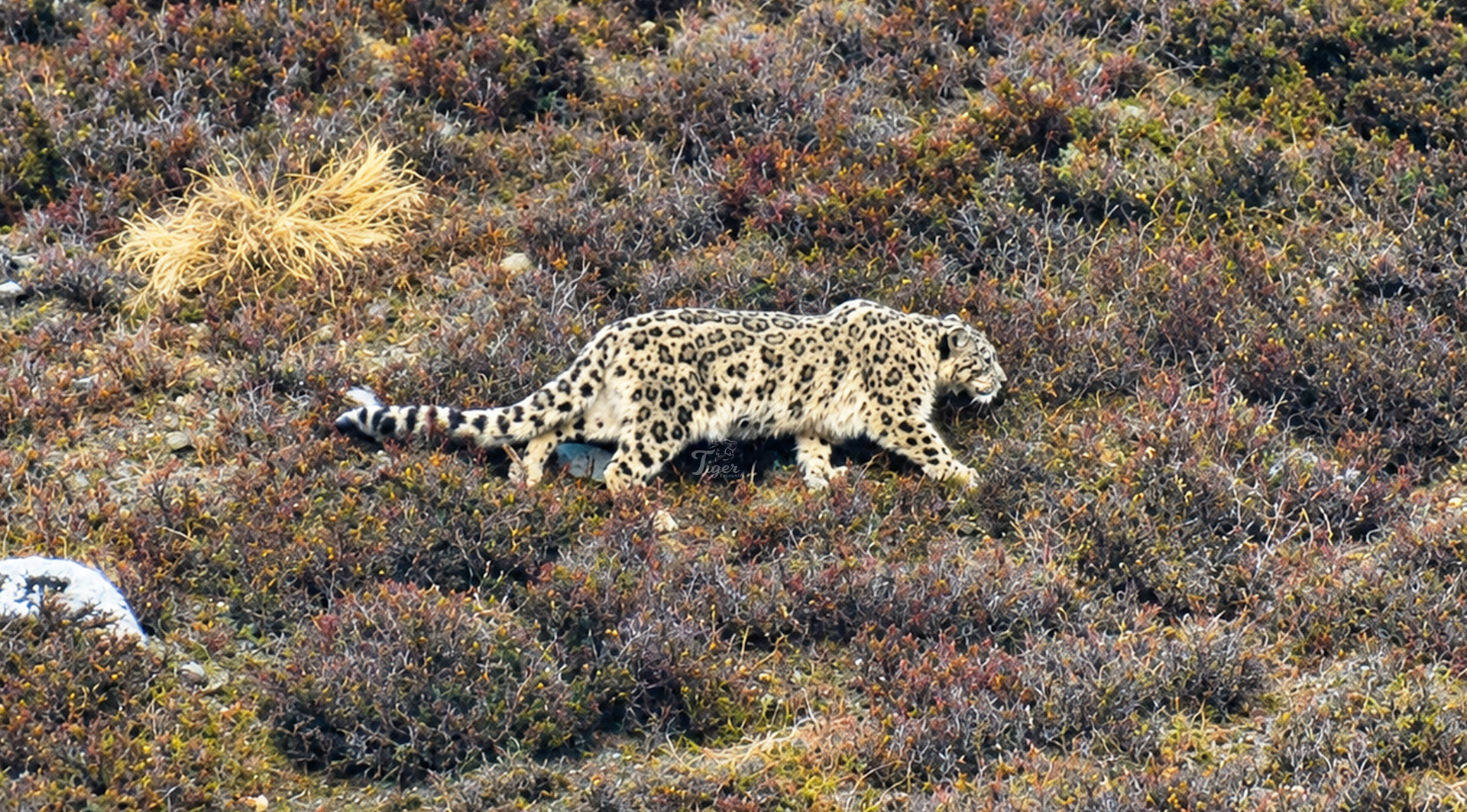
3. Annapurna Conservation Area – Snow Leopard and Himalayan Wildlife
The Annapurna Conservation Area is primarily famous for trekking, but its enormous variation in altitude creates habitat for a remarkable range of Himalayan wildlife.
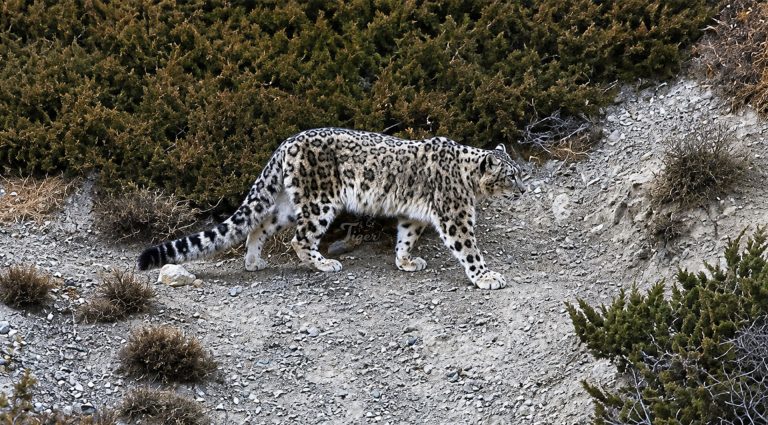
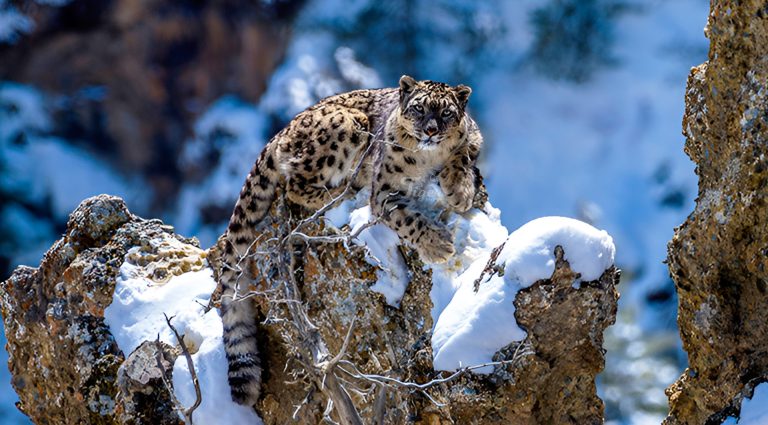
The Manang region, in particular, is associated with blue sheep (bharal), Himalayan tahr, musk deer, and snow leopard habitat.
For serious wildlife enthusiasts, a dedicated snow leopard tracking expedition in Manang is very different from conventional trekking. Tracking relies on reading animal signs, understanding prey movements, and carefully observing suitable ridgelines and slopes.
The Annapurna region is therefore one of the places where adventure travel and wildlife tracking can be combined.
Best for: Snow leopard tracking, blue sheep, Himalayan tahr, musk deer, and high-altitude wildlife photography.
4. Langtang National Park – Red Panda and Himalayan Wildlife
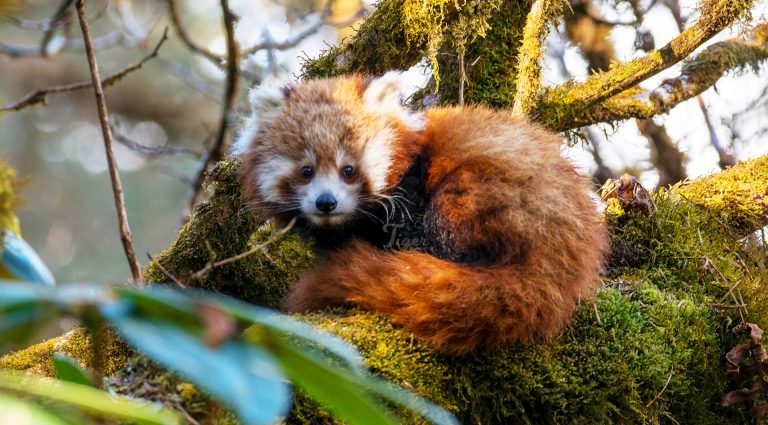
When people search for where to see red pandas in Nepal, Langtang National Park is a key destination to consider.
Located north of Kathmandu, Langtang National Park stretches across Nuwakot, Rasuwa, and Sindhupalchok, covering 1,710 sq. km plus an additional buffer zone. Its habitats range from subtropical forests to alpine vegetation.
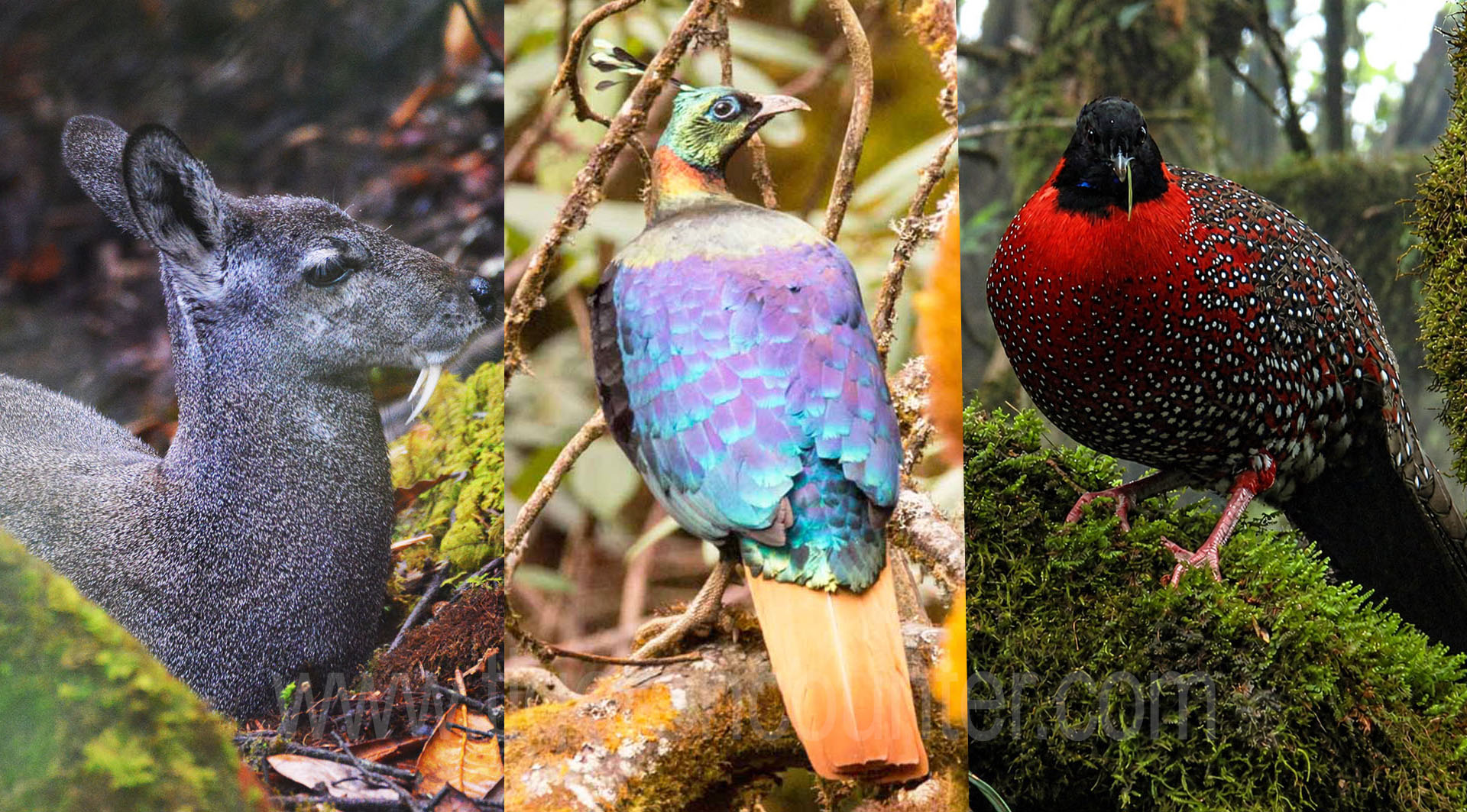
The park is home to red panda, musk deer, Himalayan tahr, goral, serow, Himalayan black bear, muntjac, pika, and other Himalayan wildlife.
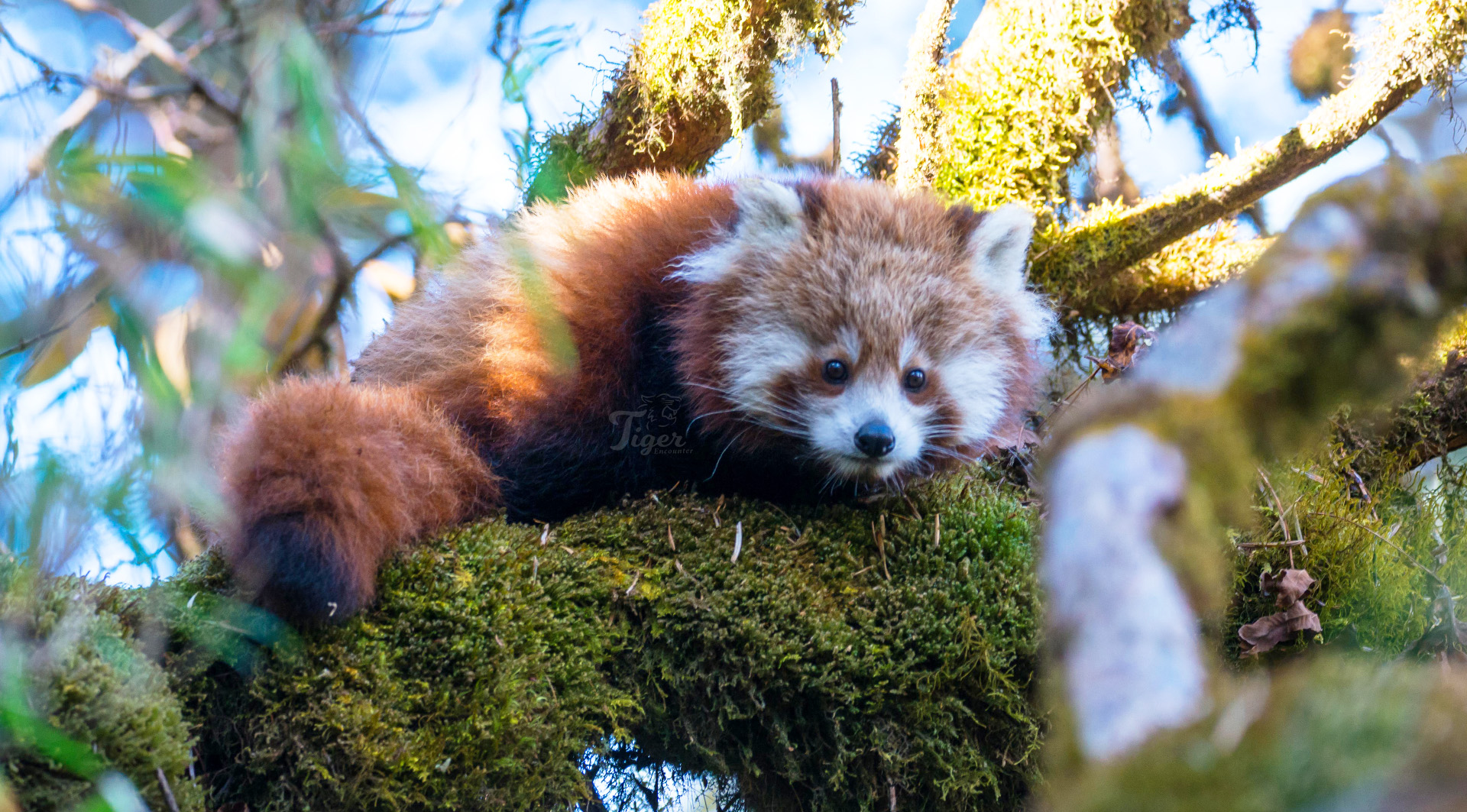
Red panda tracking in Langtang
Red pandas are shy, elusive animals, so finding one requires patience, careful observation, and knowledge of the habitat and, most importantly, the local expert naturalist.
For wildlife photographers, Langtang offers an opportunity to combine red panda tracking, wildlife photography, Himalayan trekking, and local culture.
Best for: Red panda, musk deer, Himalayan mammals, birdwatching, including Himalayan Monal, Satyr Tragopan
5. Koshi Tappu Wildlife Reserve – One of Nepal’s Best Birdwatching Destinations
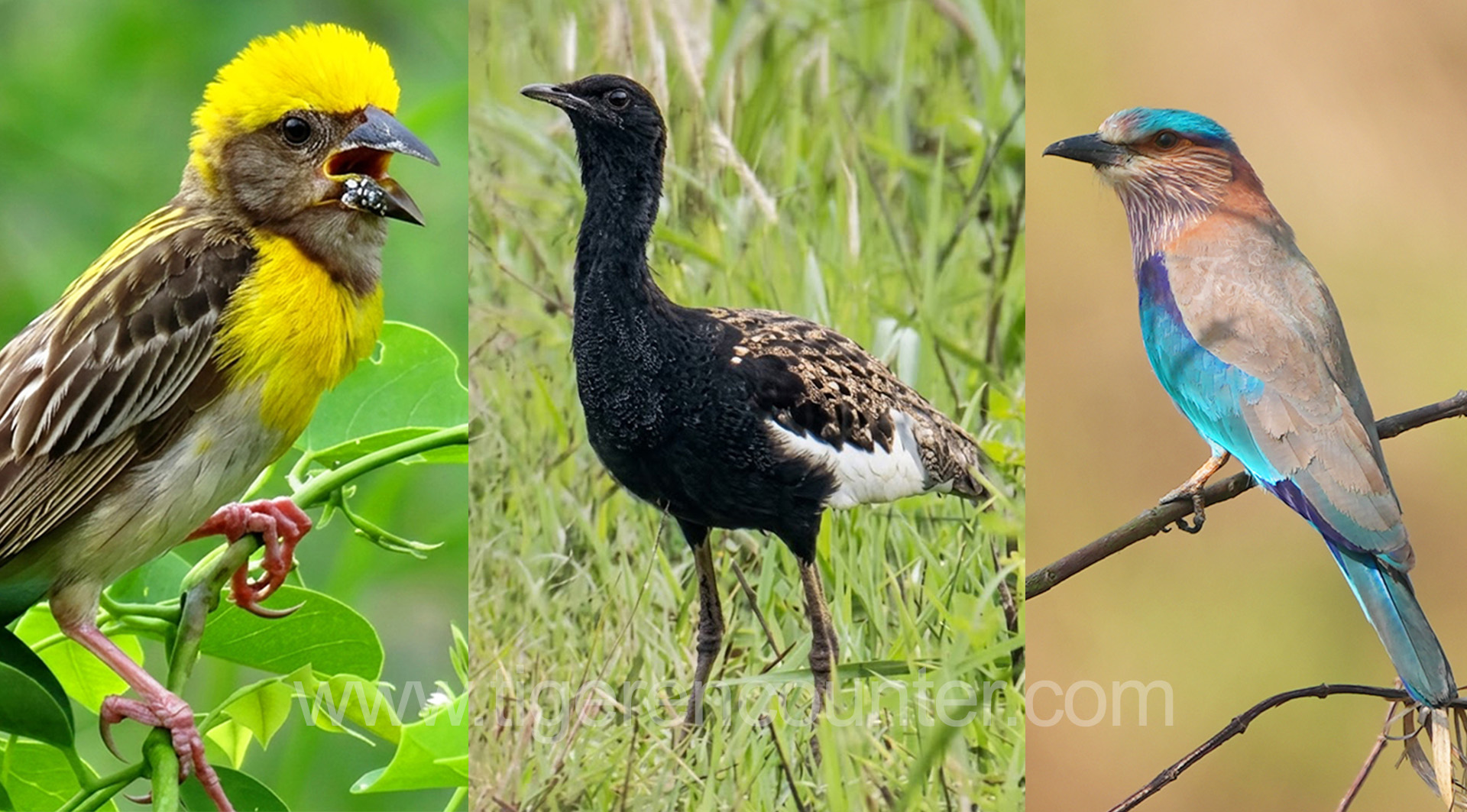
If your primary interest is birdwatching in Nepal, the wetlands and grasslands of the Koshi region deserve a place on your itinerary.
Koshi Tappu is particularly known for wild water buffalo, locally known as arna, as well as its rich wetland birdlife. Nepal Tourism Board identifies Koshi Tappu as an important habitat for wild buffalo and notes that Nepal’s Terai wetlands support diverse bird species.
The surrounding rivers, marshes and grasslands attract resident and migratory birds, making the area especially interesting for bird photographers.
Best for: Birdwatching, wild water buffalo, wetland wildlife and wildlife photography.
6. Shuklaphanta National Park – Swamp Deer and Grassland Wildlife
Located in far-western Nepal, Shuklaphanta National Park is an important destination for grassland wildlife.
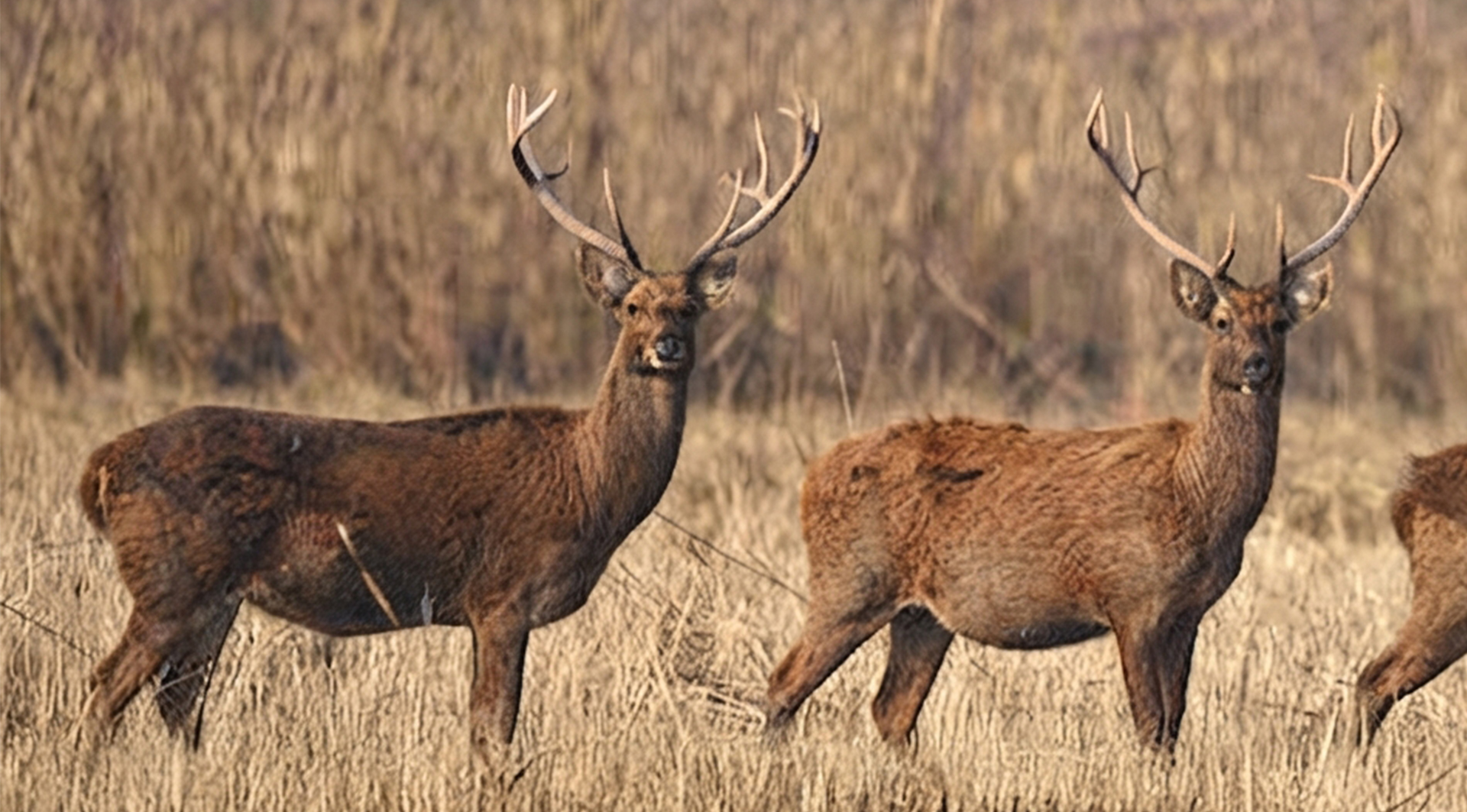
One of its major attractions is the swamp deer, a species associated with the park’s extensive grasslands. Nepal Tourism Board also identifies the western Terai, particularly Shuklaphanta, as an important habitat for swamp deer.
The park’s open grasslands, forests and wetlands provide habitat for numerous mammals and birds.
For photographers looking beyond the more famous Chitwan and Bardia destinations, Shuklaphanta offers a different wildlife landscape and a chance to explore western Nepal.
Best for: Swamp deer, grassland wildlife, birds and off-the-beaten-path safari experiences.
7. Sagarmatha National Park – Himalayan Wildlife Around Everest
The Everest region is famous for mountaineering, but Sagarmatha National Park is also a significant Himalayan wildlife habitat.
The park’s wildlife includes Himalayan tahr, goral, musk deer, pika, Himalayan black bear, wolf, lynx and snow leopard, although many of the high-altitude species are difficult to observe.
Birdwatchers may encounter species such as Himalayan monal, blood pheasant, red-billed chough, snowcock and Himalayan griffon.
The combination of dramatic Himalayan scenery and high-altitude wildlife makes Sagarmatha particularly interesting for trekkers who want more than mountain views.
Best for: Himalayan tahr, musk deer, high-altitude birds, and combining wildlife with Everest trekking.
Nepal is an increasingly attractive destination for wildlife photography tours because photographers can move between dramatically different ecosystems within a relatively small country.
A wildlife photography itinerary can include Bardia, Chitwan, Koshi Tappu, Langtang, and Manang
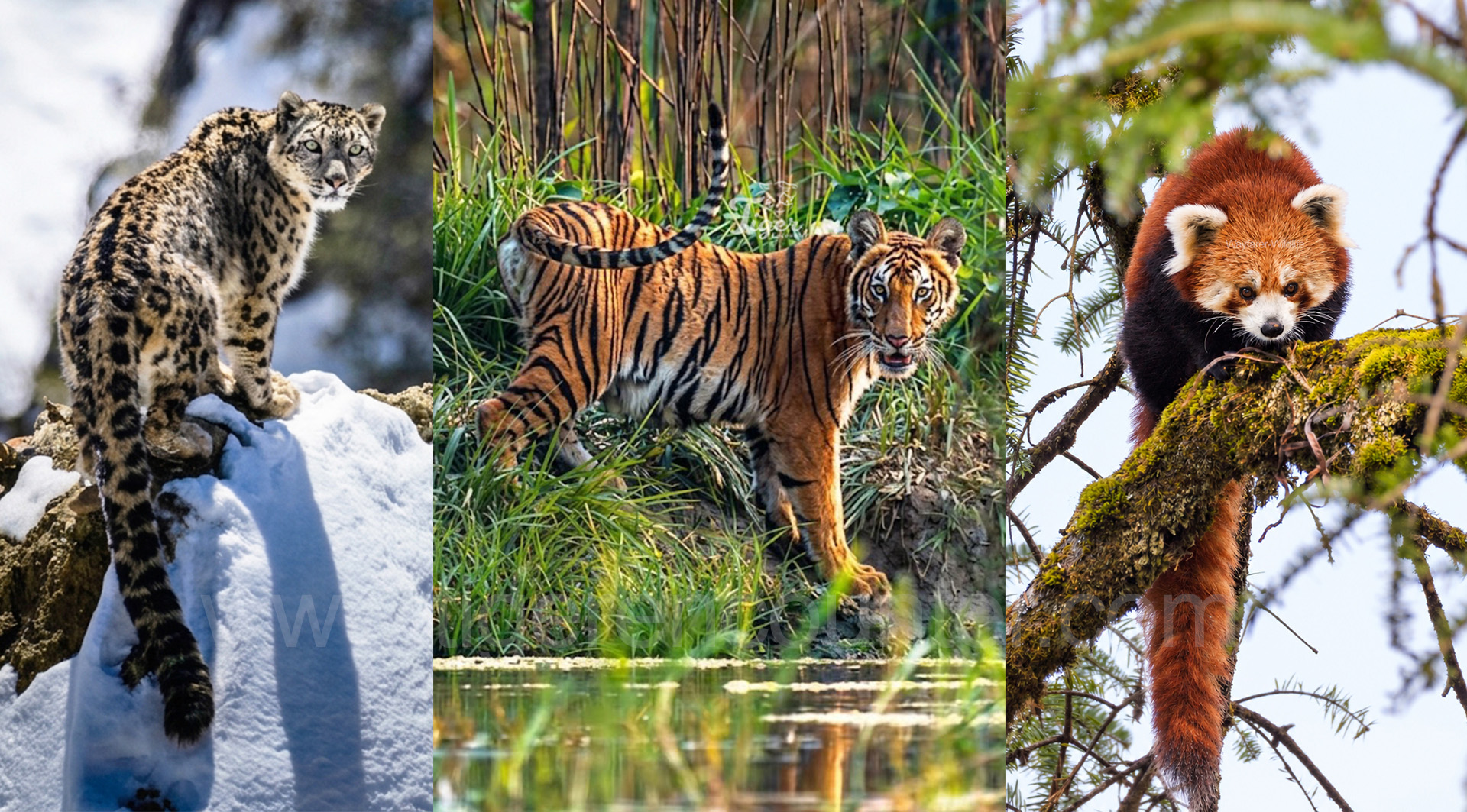
This creates the possibility of photographing completely different subjects—from tigers and rhinos in the Terai to red pandas, Himalayan tahr, and snow leopards in the mountains.
However, wildlife sightings are never guaranteed. Responsible wildlife tourism should prioritize animal welfare, maintain appropriate distances, and avoid disturbing animals for photographs.
Blog by: Lhakpa Gyalbu Sherpa (Naturalist and Wildlife Photographer)